
-

-

-

-
-
-
-
-
-
-
-
-
KUKKO
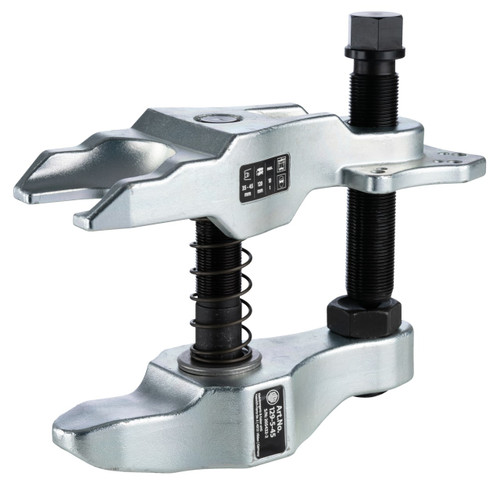
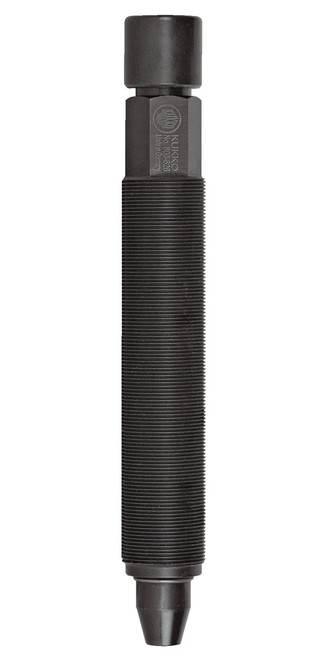
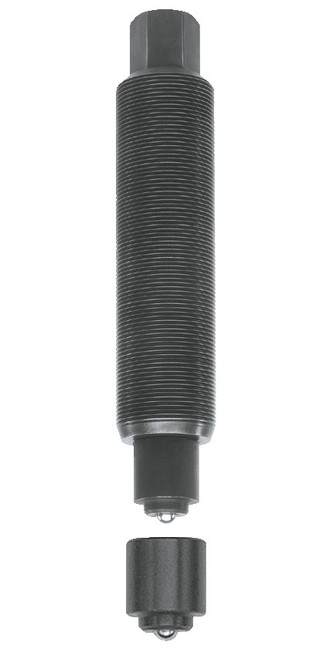
KUKKO Magnetic Sensor for Inductive Bearing Heaters - Series T-AW-20-M
Choose options for price
-

-
-
-
-
-
-
-
KUKKO
KUKKO tools cover bearing removal, gear pulling, seized nuts and the shop work around those jobs. At BRAIGG, start with the workpiece: can you reach behind it, grip it from inside or get a separator under its edge? KUKKO was founded in Germany in 1919 and remains a fourth-generation family business. Most KUKKO tools are made in Germany. Browse the products below, or use this hub to choose a pulling method, identify a series and find a practical guide before putting a tool under load.
Find KUKKO tools by the job
The KUKKO puller guide is the starting point for extraction work. It connects mechanical jaws, hydraulic pullers and internal tools without treating them as interchangeable. For the wider selection, browse Pullers & Extractors. Begin with a pulling method, then check the selected item's spread, reach and operating instructions.
- Gear & Jaw Pullers grip behind an accessible part. Choose between 2-Jaw Pullers and 3-Jaw Pullers according to the available jaw positions.
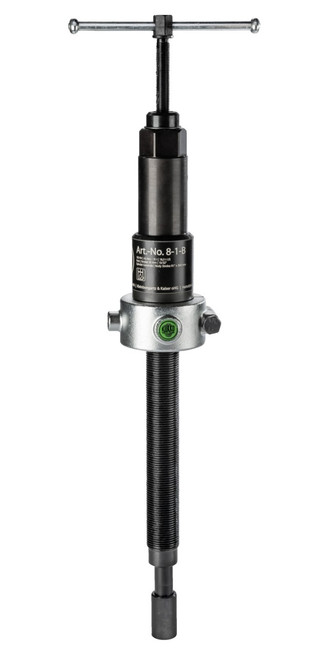
- Hydraulic Pullers use hydraulic force. Check the specific setup and its limits rather than assuming more force will fix poor jaw engagement.
- Bearing Pullers & Separators include tools for different access conditions. Bearing Separators fit the separating stage when ordinary hooks cannot get behind a closely seated part.
- Pilot Bearing & Blind Hole Pullers address internal access. Check Bearing Race Pullers for race removal and Slide Hammers for a different way to apply extraction force.
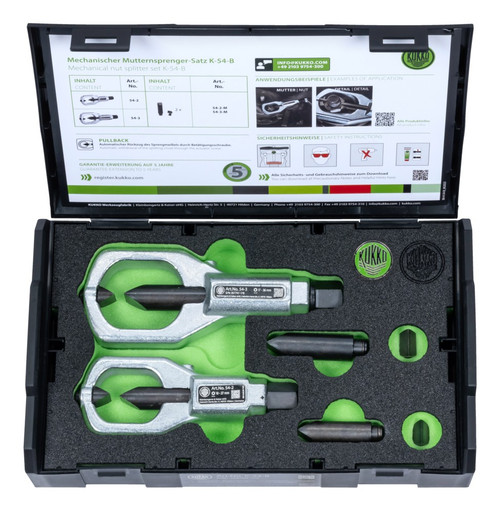
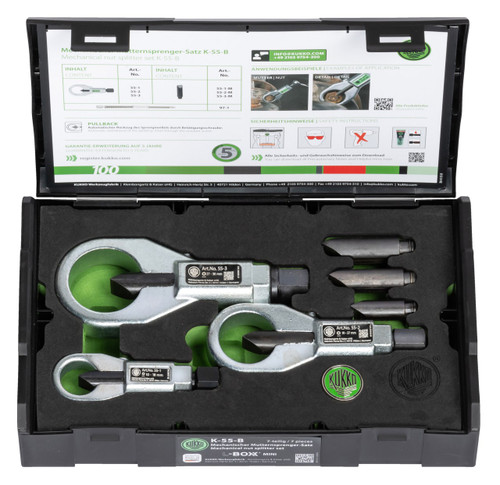
- Screw & Stud Extractors address damaged fasteners. Nut Splitters split a nut rather than pulling a bearing off a shaft.
Our KUKKO nut splitter and separator guide explains how those two operations differ. A KUKKO extractor should match the access point and the job, not just an approximate outside size.
Automotive jobs and tools beyond pullers
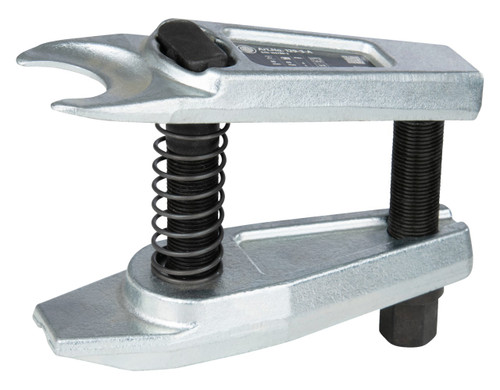
For steering and driveline work, start with Automotive Service Tools, then look at Ball Joint & Tie Rod Pullers or Wheel Hub & Axle Pullers. The component and its permitted reaction points determine the tool, so check the vehicle's service procedure before applying force.
KUKKO products also extend beyond extraction equipment. Browse Clamps & Vises for holding work, Pliers, including Snap Ring & Circlip Pliers, and Hammers & Striking Tools. The range also includes Hex Keys & Screwdrivers and Shop & Specialty Tools. Choose each tool for its stated task; a puller spindle is not a striking surface.
Start with a series, finish with an item number
Already have a number from a tool or an older KUKKO catalog? Search by the complete item number, keeping zeros, letters and plus signs. A series groups related KUKKO tools; the individual item identifies the particular catalog entry. Our KUKKO part number and series guide explains the difference and includes examples for sets and spare parts.
These twelve series offer useful starting points. They are different tool families, not a ranking of capacity or popularity. A separator, pulling device and internal extractor do different work even if they appear next to one another in a catalog.
- Series 15: Bearing separators for getting behind closely seated parts.
- Series 18: Pulling devices for separator setups.
- Series 20+: Quick-adjustable two-jaw universal pullers.
- Series 21: Internal extractors.
- Series 22: Counter supports for internal extractors.
- Series 23: Deep-groove ball bearing inner ring extractor chuck.
- Series 54: Double-edged mechanical nut splitters.
- Series 70: PULLPO ball bearing pullers.
- Series 800: Short hydraulic spindles.
- Series K-15: Bearing separator sets.
- Series K-22: Ball bearing puller sets with counterstay and sliding hammer.
- Series K-70: PULLPO ball bearing puller sets.
Practical guides before you pull
Measure the job before choosing KUKKO tools. Read the puller size guide, then how to choose a bearing puller. If jaw access is the question, our 2-jaw versus 3-jaw puller guide explains the layout choices. The bearing separator versus bearing puller guide addresses parts seated too closely for ordinary hooks.
For a specific removal task, follow how to use a bearing puller or how to use a gear puller. Internal work has its own checks: see how to remove a pilot bearing and how to remove a bearing from a blind hole. Do not assume an external jaw setup can reach the same purchase point.
Vehicle work is covered in how to remove a wheel bearing and how to remove a ball joint. For damaged fasteners, read how to use a screw extractor and how to use a nut splitter. Each guide starts from the task rather than assuming one tool will handle every seized component.
What to check before choosing KUKKO tools
KUKKO's founders, Alfred Kleinbongartz and Emil Kaiser, began in Remscheid on October 1, 1919. The first puller catalog followed in 1950; hydraulic systems 844 and 845 arrived in 1980. Today the family business is led by Michael Kleinbongartz from Hilden. Read why choose KUKKO for the documented manufacturing history and specific jaw safety features, without assuming every tool has the same construction or origin.
On the bench, make the final check yourself. Seat the hooks fully, keep the spindle centered and wear eye protection. Use a suitable cover over the loaded puller and stop if the tool tilts or a hook begins to climb. Never use heat near hydraulic seals. Good fit and controlled alignment matter on every pull, regardless of the name on the tool.
Frequently asked questions
What KUKKO tools can I find on BRAIGG?
The range includes mechanical and hydraulic pullers, bearing separators, internal extractors, slide hammers, nut splitters and replacement components. It also includes clamps, pliers, hammers, hex keys and shop tools. Start with the job category or use a complete manufacturer item number if you are replacing a known tool.
Are KUKKO tools made in Germany?
Most KUKKO tools are made in Germany, but not every item has the same country of origin. Check the individual product when origin matters to your selection. KUKKO began in Remscheid in 1919 and is now a fourth-generation family business headquartered in Hilden, Germany.
How do I choose between a KUKKO jaw puller and internal extractor?
Check where the tool can grip. A jaw puller needs access behind the part it is pulling. An internal extractor grips from inside an appropriate opening. Measure the job and read the chosen model's working range; do not assume the same tool can handle both arrangements unless its description confirms that configuration.
How do I find a KUKKO tool by part number?
Search using the complete manufacturer item number, including zeros, letters, slashes and plus signs. Then check the family page and the particular option's description and size information. The series guide explains how a family number relates to an individual item number, with examples of both.
Does a bearing separator remove the bearing by itself?
Separating and pulling are distinct operations. A separator gets behind a closely seated part, while a compatible pulling device supplies the extraction arrangement. The documented KUKKO series 15 separators are used with series 18 pulling devices. Confirm the selected components and size compatibility rather than assuming any separator and puller will work together.
What should I check before loading a puller?
Make sure every hook is seated, the spindle is centered and the reaction point can support the load. Check the selected item's working limits and instructions, wear eye protection and use a suitable puller cover. Stop if alignment changes or a jaw climbs; more force is not the correction for poor engagement.