
-
-
Norseman Drill & Tool
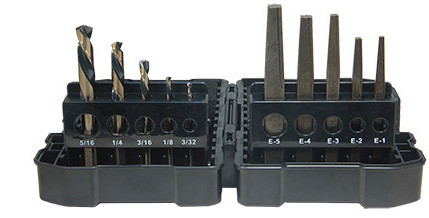
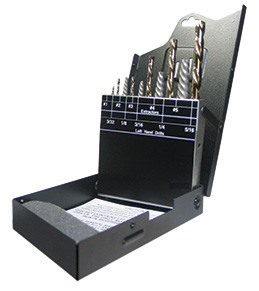
Norseman BR-10 10-Piece Bolt Extractor Set, Left-Hand Drills and Spiral Extractors
$92.46 -

-

Norseman Drill & Tool
Norseman 190-AL Left-Hand Jobber Drill Bits, 1/16" to 1/2"
Choose options for price
Left-Hand Drill Bits
Choose left hand drill bits for drilling a broken bolt with a conventional right-hand thread. These tools cut counterclockwise, so the drilling rotation also works in the fastener's loosening direction. BRAIGG carries Norseman individual jobber drills, drill sets and kits that pair drills with extractors. Start by checking the thread direction, the size of the broken fastener and whether you can reach its center squarely. A drill can sometimes back the bolt out before an extractor is needed, but drilling direction alone cannot guarantee removal of a seized part.
How left hand drill bits help with broken bolts
Norseman describes its left-hand spiral drills as suitable for drilling broken studs and bolts. The cutting action may loosen the remaining fastener as the hole is drilled. If the bolt turns out, stop and remove it rather than continuing with an extractor simply because one is on the bench.
These are also called reverse drill bits, but the cutting geometry matters. Running an ordinary right-hand drill backward does not make it cut as a left-hand tool. Confirm the machine's rotation before touching the work: viewed from the chuck toward the bolt, the cutting direction is counterclockwise. Check that the drill and chuck arrangement is suitable for reverse operation.
Choose an individual diameter or a left-hand drill bit set
The Norseman 190-AL jobber family lists sizes from 1/16 to 1/2 inch. Individual left hand drill bits are useful for replacing a damaged size or preparing a particular extractor hole. Product options include Each and full packs of 6 or 12 by diameter. Read both parts of the option before ordering.
For a drawer serving several fastener sizes, the Norseman jobber drill sets come in 13-, 17- and 29-piece options. Check the included diameters against the work you actually service. A reverse drill bit set is not automatically an extractor kit, and a larger piece count does not prove that it includes the pilot your chosen extractor requires.
Drill-only sets versus drill-and-extractor kits
The Norseman BR-10 combines left-hand drills and spiral extractors in a 10-piece set. The BR-10SQX is a 10-piece set with left-hand drills and square extractors. The extractor style is a real selection difference; do not apply one tool's drilling or engagement instructions to the other.
If you already have an extractor, use its exact instructions to establish the required pilot diameter and depth before choosing a drill. The nominal bolt diameter is not the pilot-hole size. Browse screw and stud extractors to identify the removal tool, and read how to use a screw extractor before starting the hole.
Keep the hole centered and protect the threads
Left hand drill bits still need a sound starting point. Clean the area so you can see the broken fastener's outline, isolate the equipment and clamp any loose part. Wear eye protection and protect open passages from chips. An angled break can push the point sideways; correct the starting surface or get machining help instead of trying to steer a bending drill.
Align with the bolt's axis and establish a depth limit before cutting. Leave the surrounding threads out of the cut. Stop the machine to clear chips and inspect progress. A hole that wanders into the housing can turn a broken-bolt job into a thread repair. Do not use a small drill as a lever to shift the hole sideways.
Know when to stop drilling or extracting
A seized fastener may stay put even with a centered hole. Norseman says left hand drill bits often eliminate the need for an extractor, not that they always do. If the bolt remains fixed, follow the selected extractor's procedure. Turn with the specified hand tool and avoid side loading. Stop if the extractor twists without moving the fastener.
A hardened extractor that breaks inside the bolt creates a tougher removal problem and may need specialist machining. Reassess before adding force. When the job is ordinary holemaking rather than fastener removal, compare conventional twist drill bits in the wider drill bits range. The Norseman Drill & Tool page brings the drilling and extraction families together.
Frequently asked questions
How do left hand drill bits work?
Their cutting geometry removes material while turning counterclockwise, viewed from the chuck toward the work. On a right-hand-thread bolt, that rotation is also the loosening direction. Norseman says a left-hand spiral drill may remove the broken bolt during drilling, eliminating the extractor step, but release is not guaranteed.
Can I just run a regular drill bit in reverse?
No. A conventional right-hand drill has cutting geometry intended for the opposite rotation. Running it backward does not make it equivalent to a left-hand cutting tool. Choose the correct drill, confirm counterclockwise rotation before cutting and verify that the machine and chuck arrangement are suitable for reverse operation.
Which size should I use for a broken bolt?
If you are preparing a hole for an extractor, use that exact extractor's specified pilot diameter and depth. Do not use the bolt's nominal thread diameter as the drilling size. Check access, centering and remaining material before drilling; no single pilot diameter applies to every extractor or broken fastener.
What is the difference between the BR-10 and BR-10SQX?
Both are Norseman 10-piece drill-and-extractor sets. The BR-10 pairs left-hand drills with spiral extractors, while the BR-10SQX pairs left-hand drills with square extractors. Follow the selected set's instructions for pilot drilling and engagement rather than assuming the two extractor styles use an identical procedure.
Should I buy individual drills or a set?
An individual 190-AL drill suits a known diameter or a replacement for a missing tool. Norseman's jobber sets offer 13-, 17- and 29-piece options for several sizes. Check the contents against your extractor requirements, and distinguish a drill-only assortment from a kit that includes extractors.