
-
-

-
-
-
-
-
-
-
-
-
-
-
-
-
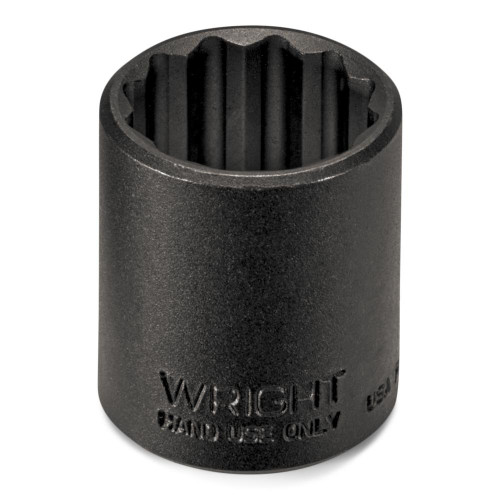
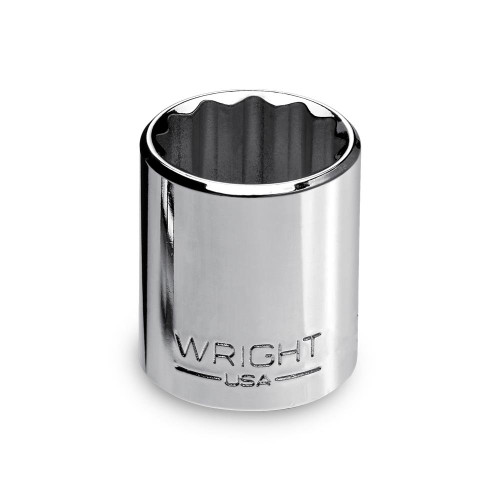
Wright Tool
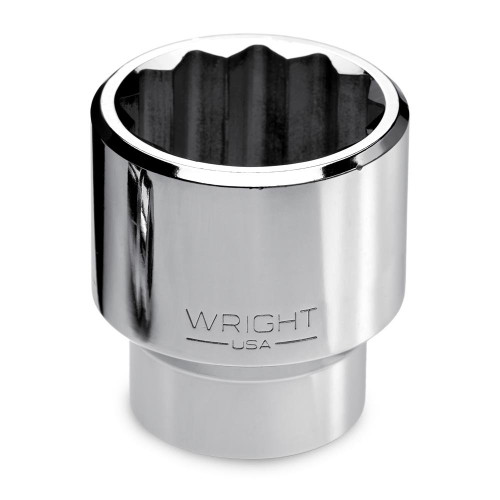
Wright Tool 1/2" Drive 12 Point Standard Black Industrial Socket
Choose options for price
-
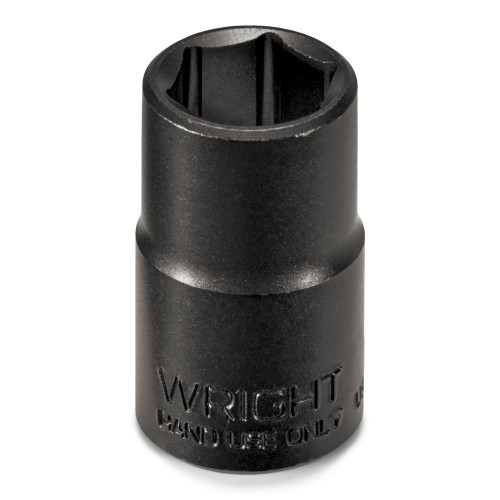
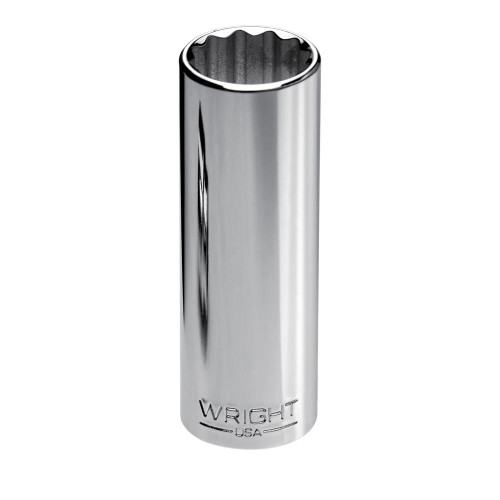
Wright Tool
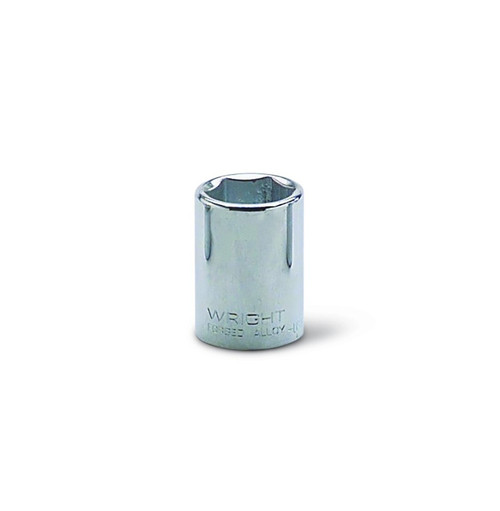
Wright Tool 1/2" Drive 6 Point Standard Black Industrial Socket
Choose options for price
-
-

-
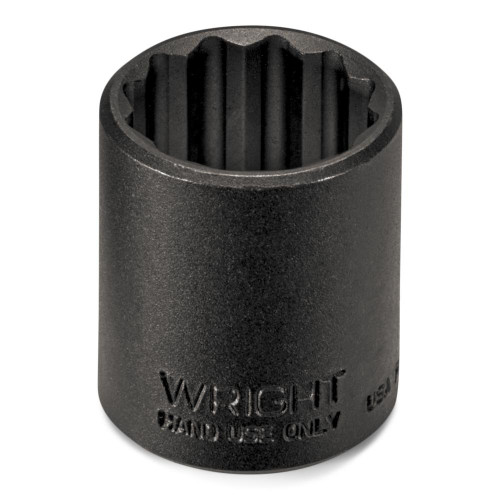
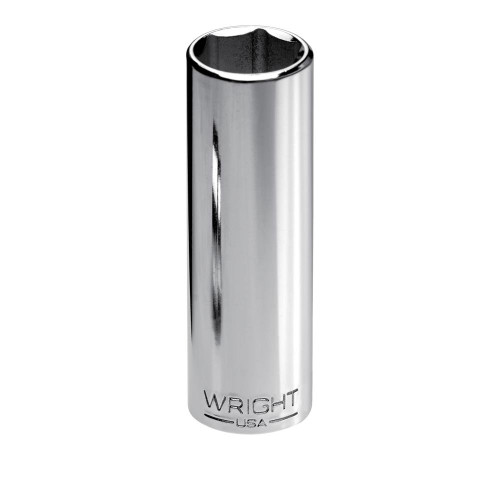
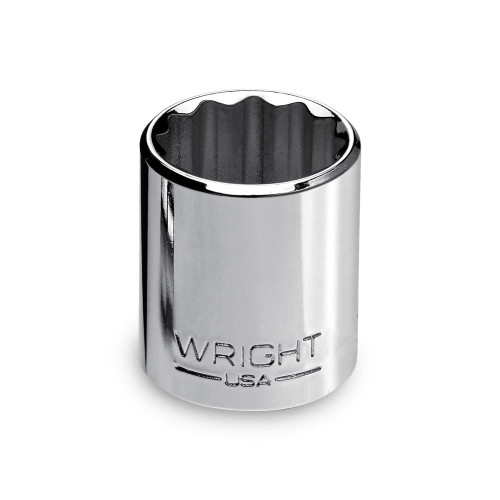
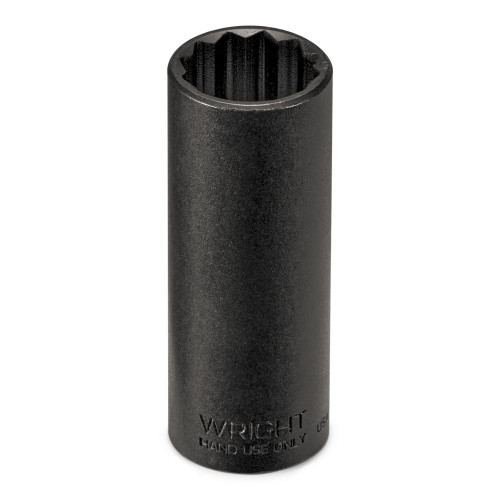
Wright Tool
Wright Tool 3/8" Drive 12 Point Standard Black Industrial Socket
Choose options for price
-
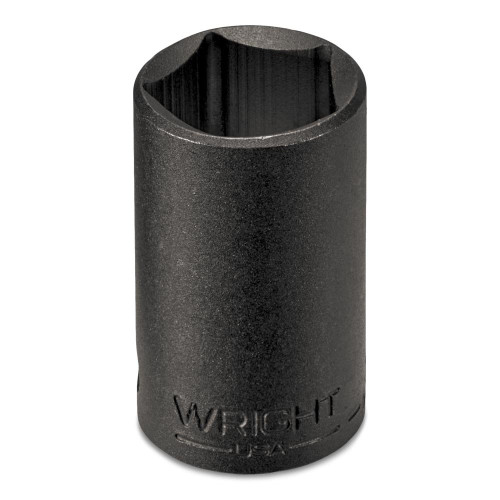
Hand Sockets
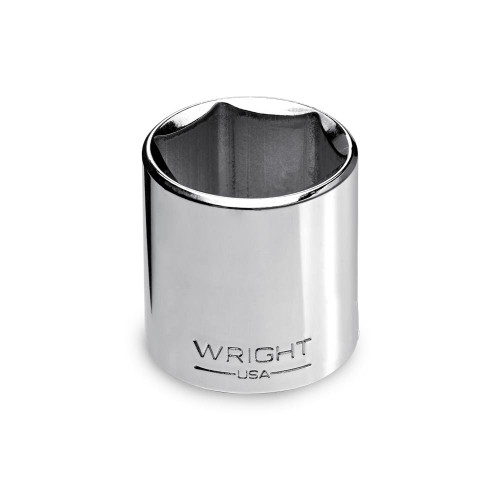
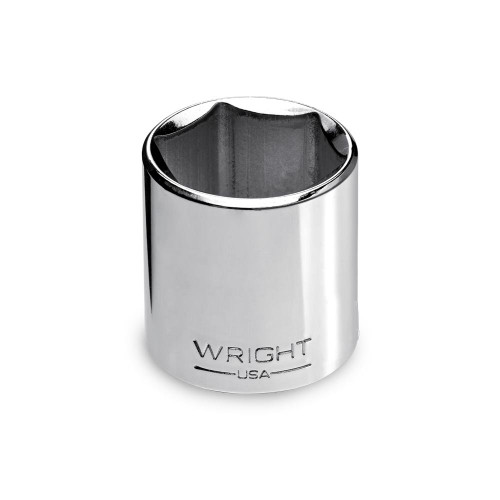
A 6 point socket is a practical starting choice for hex nuts and bolts, while a 12 point socket gives you more positions for seating the tool. At BRAIGG, this category holds Wright Tool hand sockets in 1/4, 3/8, 1/2, 3/4 and 1 inch drive, from 5/32 inch for small work to 3-1/2 inch for large flange bolts. Choose drive size, then point count, depth and finish. These sockets are for a ratchet, breaker bar or torque wrench. For an impact gun, shop impact sockets instead.
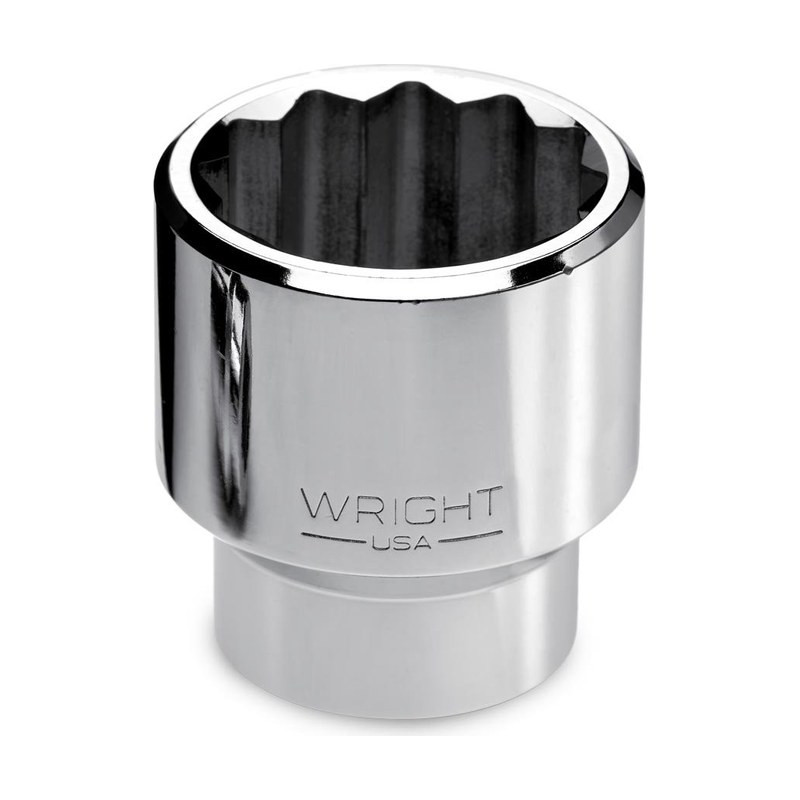
Hand sockets by drive size
Each drive size covers its own band of fasteners, and the bands overlap so you can pick the handle that fits the space. Check the sizes listed for the family you choose; not every point count covers the same range.
- 1/4 drive: 5/32 to 9/16 inch SAE across the range. The 6 point standard metric family covers 4 to 14 mm, including 5.5 mm.
- 3/8 drive: 1/4 to 1 inch SAE in standard 6 and 12 point styles. Standard metric sizes run 6 to 19 mm in 6 point and 8 to 22 mm in 12 point.
- 1/2 drive: 3/8 to 1-1/2 inch. The 12 point standard line has 24 sizes, including odd ones like 19/32, 21/32 and 25/32 inch for older machinery. Metric 12 point standard runs 9 to 36 mm.
- 3/4 and 1 inch drive: large bolts on presses, trucks and structural steel, up to 60 mm in 3/4 drive metric and 3-1/2 inch in 1 inch drive SAE.
Choose a 6 point socket or 12 point socket
Start with the fastener's shape. A 6 point socket fits a hex head and is a sensible choice for tight or weathered hex fasteners when the size is correct and the socket seats fully. A 12 point socket fits a 12 point head and also seats on a hex at twice as many starting positions. That can help when a nearby bracket limits where you can place the handle. It does not change the ratchet mechanism's return angle.
For the differences in fit and access, read our 6 point vs 12 point socket guide. Wright also makes 8 point sockets in 1/4, 3/8 and 1/2 drive. The 3/8 drive version is a double square design for square nuts and square head set screws, which still turn up on farm implements and older conveyors.
When you need a deep 6 point socket
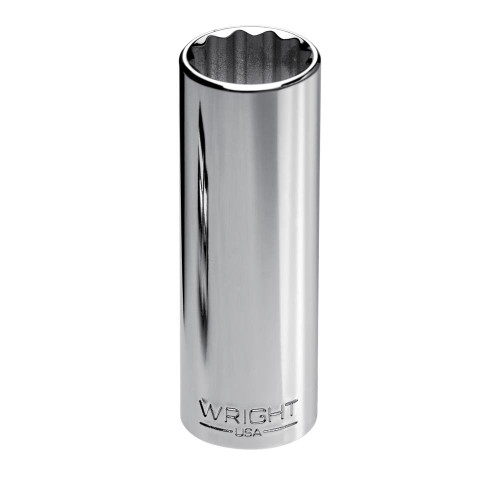
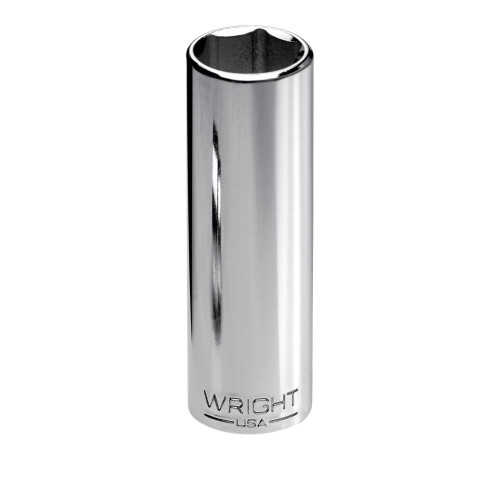
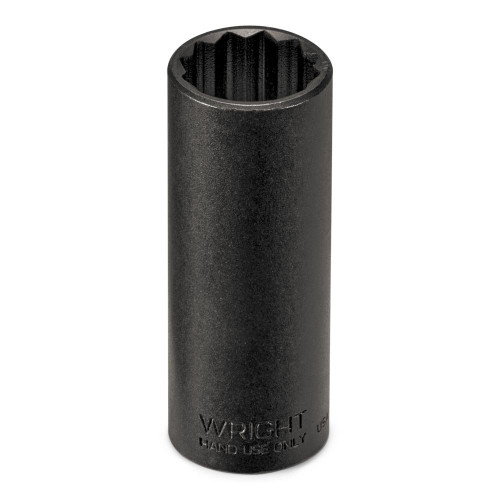
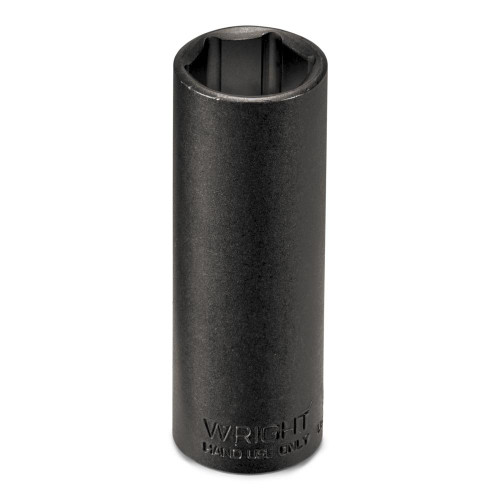
Standard length sockets keep the handle close to the work. Deep sockets reach over a stud that sticks out past the nut, such as a U-bolt, a shock stud or a run of threaded rod. Wright makes deep hand sockets in 1/4, 3/8 and 1/2 drive in 6 and 12 point SAE and metric, plus a 3/4 drive 6 point deep line from 3/4 to 1-5/8 inch.
Check what is actually stopping the socket. If the stud bottoms inside a standard socket, you need more internal clearance. If the handle hits a bracket but the socket already seats fully, a short socket extension may move the handle clear. An extension will not cure a socket that bottoms on the stud.
Chrome or black industrial finish?
Wright offers chrome and Black Industrial hand sockets, including 3/8 and 1/2 drive standard and deep families. Pick the size and point count first; finish is not an impact rating. A black 6 point socket in this category remains a hand socket. Wright says not to use hand sockets on hydraulic or impact guns. Keep them separate from impact-rated pieces in the drawer so a dark finish does not lead to a mix-up.
A few specialty pieces
Number 4528D is a 1/2 drive 6 point socket in a deep pattern, with a 7/8 inch opening and a 3 inch length. It fits Wright's 4488 scaffold ratchet. There is also number 9076, a 1/2 drive 5 point standard thin wall socket in 13/16 inch with a Black Industrial finish. Neither is a substitute for matching an ordinary hex socket to a hex fastener.
Pair the socket with the right handle
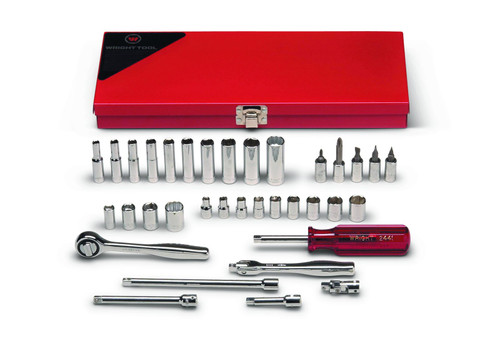
Match the drive of your sockets to your ratchet and keep a breaker bar for stubborn fasteners. For final tightening to a specified value, use a torque wrench. Starting a box from scratch? Check the listed contents of a socket set against the sizes you actually use. The Wright Tool brand hub covers the wider range. Wright forges its sockets in Barberton, Ohio; check each item's listed country of origin.
Frequently asked questions
Can I use hand sockets on an impact wrench?
No. Wright says hand sockets should not be used on hydraulic or impact guns. The chrome and Black Industrial sockets in this category are for hand-driven work with a ratchet, breaker bar or torque wrench. Choose a socket specifically rated for impact use when the job calls for an impact gun.
Is a 6 point socket or 12 point socket better?
For a hex fastener, start with a correctly sized 6 point socket that seats fully. A 12 point socket offers more starting positions on a hex and fits a 12 point fastener. Choose by head shape, condition and access; extra seating positions do not reduce how far the ratchet handle must swing to reset.
What is an 8 point socket used for?
An 8 point socket fits square fasteners, like square nuts, square head bolts and square set screws. Those still show up on farm implements and older industrial equipment. Wright makes 8 point hand sockets in 1/4, 3/8 and 1/2 drive, and the 3/8 drive version uses a double square design.
What drive size socket should I buy first?
A 3/8 drive is a useful starting point for car and general shop work. Wright's standard SAE families span 1/4 to 1 inch, with metric coverage depending on point count. Add 1/4 drive where space is limited and 1/2 drive for larger work. Match the handle and socket drive directly.
Does a black industrial socket work differently from chrome?
The finish does not change a hand socket into an impact socket. Both finishes appear in Wright's hand socket range, so read the product description rather than judging use by color. Choose the correct drive, opening size, point count and depth first, then choose among the finishes available for that family.