
Carbide Burrs
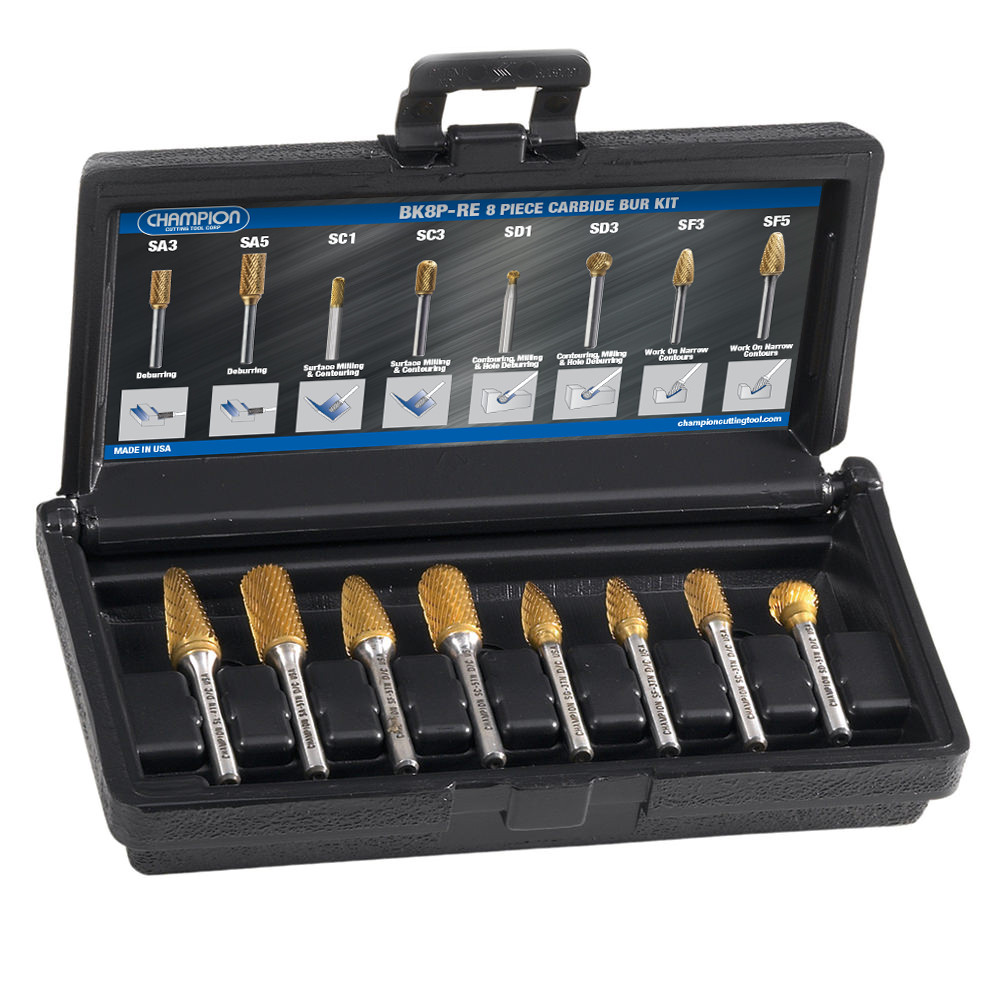
A carbide burr is a solid carbide rotary cutter that chucks into a die grinder for deburring, shaping, porting and cleaning up welds. Shop burr bits and kits for steel, stainless steel and cast iron. If you are not sure which shape to pick, the guide under the products covers shapes, cuts, coatings and safe grinder speeds.


What a carbide burr does best
Abrasive wheels wear down as they work, but a burr cuts with hard, sharp flutes, so it removes metal fast and holds its shape. That makes it the go-to for jobs where a grinding wheel will not fit: breaking the edge on a drilled hole, opening up a slot, knocking down a weld bead inside a corner or smoothing a flame-cut edge. At BRAIGG we carry burrs built for ferrous metals, since that is where most shop and maintenance work happens.
Burrs are die grinder bits. They run in a die grinder, either air or electric, with a collet that matches the burr shank. Check the shank size of your grinder before you buy. A burr that does not seat fully in the collet can chatter or come loose.
Burr shapes and what they are for
Burr shapes follow a common letter code, and most kits mix several so you can cover more jobs:
- SA (cylinder, flat end): flat surfaces and straight edges, and squaring up the side of a slot.
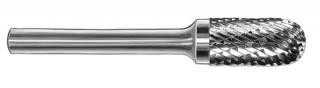
- SC (cylinder, radius end): blending a weld into the parent metal and working into a corner with a slight radius.
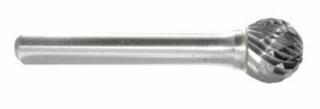
- SD (ball): concave cuts, cleaning out pockets and hollowing.
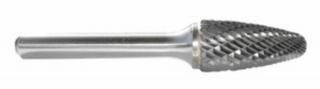
- SF (tree, radius end): rounding over edges and getting into angled joints.
Sizes within a shape run from small to large. Small numbers get into tight spots and detail work, and larger sizes move more metal per pass.
Single cut vs double cut carbide burr
A single cut burr has one set of flutes and leaves a rougher finish with long chips. A double cut carbide burr has a second set of flutes crossing the first, which breaks the chips into small pieces, runs more smoothly and gives you more control in your hand. For general deburring and shaping on steel and stainless, double cut is the easier one to live with.
Choosing a carbide burr for steel and stainless
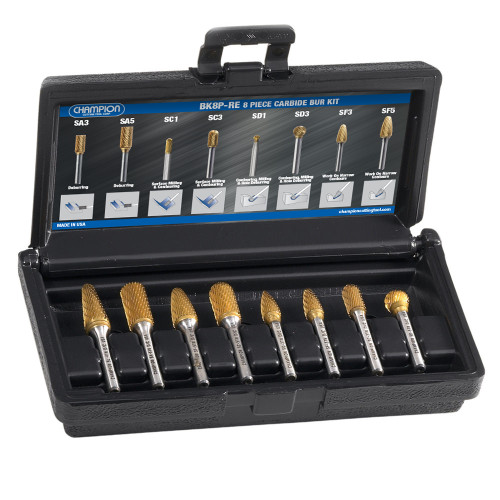
For steel, stainless steel, titanium and cast iron, look for a double cut burr made for ferrous metals. A coating helps too. Titanium nitride (TiN) reduces friction and heat and helps the edges last longer, which matters on stainless, where heat builds fast. The Champion BK8P-RE carbide burr set fits that description: eight TiN-coated, double cut burrs in SA, SC, SD and SF shapes, made in the USA by Champion Cutting Tool.
Keep ferrous burrs off aluminum and other soft metals. Soft metal loads up the flutes and the burr stops cutting.
How to run carbide burr bits safely
Wear eye and face protection and gloves, and keep the work clamped. Let the burr reach speed before it touches the part, then move it steadily with light pressure. Pushing harder only builds heat and chips the flutes. Keep the burr moving so it does not dig a groove, and stay within the speed rating on the burr and the grinder. When a burr starts to rub instead of cut, replace it.
Need to break the edge on a hole instead? Countersinks and deburring tools handle that faster. For cutting new holes in plate, see our annular cutters.
Frequently asked questions
What is a carbide burr used for?
A carbide burr is used in a die grinder to remove metal in places a grinding wheel cannot reach. Common jobs include deburring drilled holes and cut edges, blending welds, enlarging or shaping openings, porting and cleaning up castings. Different shapes, such as cylinders, balls and trees, suit flat, concave and angled work.
What is the difference between single cut and double cut burrs?
A single cut burr has one row of flutes and removes metal aggressively with long chips and a rougher finish. A double cut burr adds crossing flutes that break the chips into small pieces. It runs smoother, is easier to control and leaves a better finish, which is why it is the common choice for steel and stainless.
Can I use a carbide burr on stainless steel?
Yes. Choose a double cut burr made for ferrous metals, ideally with a coating such as titanium nitride to reduce heat and friction. Use light pressure and keep the burr moving, because stainless work hardens and heats quickly. Pressing harder will dull or chip the flutes faster rather than speeding up the cut.
What does TiN coating do on a carbide burr?
Titanium nitride is a hard, slick coating that reduces friction and heat at the cutting edge. On a carbide burr it helps the flutes stay sharp longer and gives a better surface finish, especially on stainless steel and other tough metals. Champion's BK8P-RE kit uses TiN-coated burrs for that reason.
What tool do I use with carbide burr bits?
Carbide burr bits run in a die grinder, either air powered or electric. Some light-duty rotary tools also take small burrs. Match the burr shank to the grinder collet, seat the shank fully, and stay within the speed rating listed for the burr and the grinder before you start cutting.
Why is my carbide burr not cutting anymore?
Most often the flutes are loaded with soft metal or the edges are chipped or worn. Ferrous burrs used on aluminum clog quickly, and too much pressure chips the flutes. Clean off loading if you can, and replace the burr once it rubs and heats the part instead of throwing chips.