
Vises
A hand vise holds a small part in your fist so you can file, drill or deburr it without fighting the bench. At BRAIGG, this page carries KUKKO hand vises from 100 mm (about 4 in) up to the 250 mm machine filing vise, fine-jaw stem vises for watch-sized work, and two styles of bench vise with jaws from 80 to 175 mm. Every vise listed here is made in Germany. Below you'll find how the series differ, which jaw shape suits which part, and how to size a bench vise for your shop.
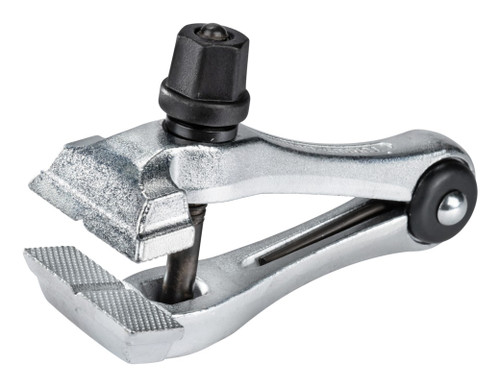
What a hand vise does better than a bench vise
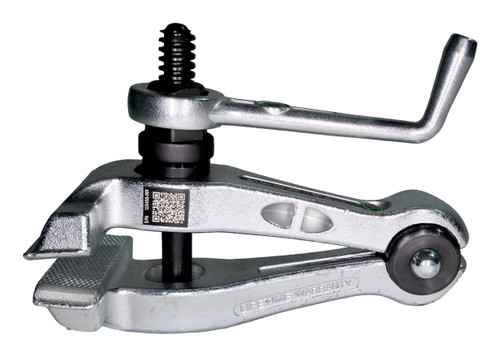
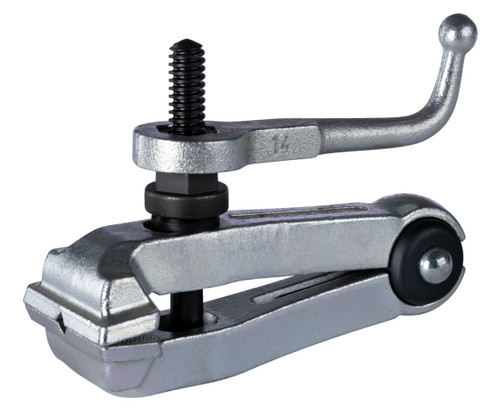
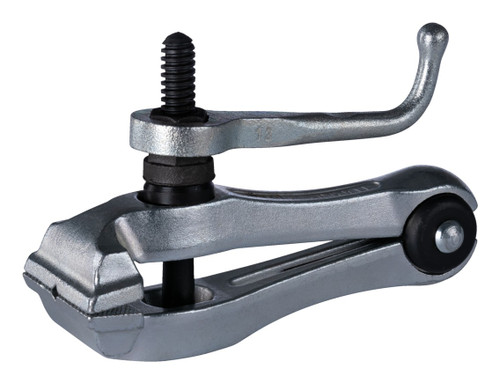
A bench vise stays put. A hand vise moves with you. You clamp the part, then turn it, flip it and hold it at whatever angle the file needs, all without unclamping. That's why KUKKO calls them file vises. A hand vise is ideal for key cutting, small brackets, pins, sheet metal tabs and anything too small or awkward to hold safely with fingers next to a drill bit or a grinding wheel.
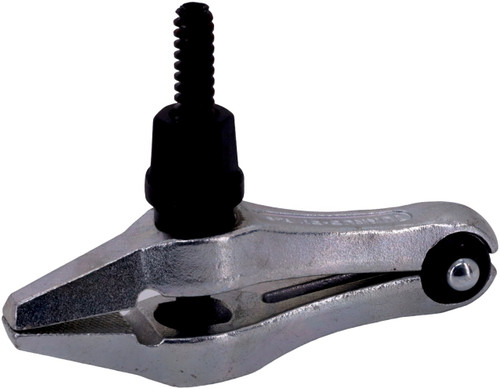
Every KUKKO hand vise here has prismatic grooves cut into the inside of the jaws. The V-shaped grooves let the same jaws grip a round pin or a square bar without it rolling out.
Choosing among the KUKKO hand vise series
- Series 101: wide jaws closed with a hex nut, in seven lengths from 100 to 200 mm (about 4 to 7-7/8 in). This is the general shop hand vise. The 100 and 120 mm sizes fit a pocket; the 180 and 200 mm sizes grip thicker stock.
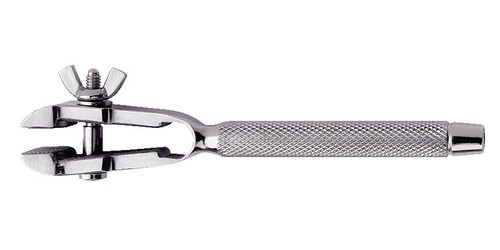
- Pointed jaw 102-120: a 120 mm (about 4-3/4 in) vise with a wing nut and narrow jaws for holding a part by a small area, such as the edge of a thin plate.
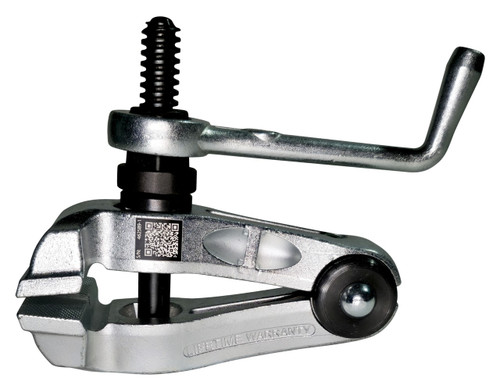
- Series 103: 160, 180 and 200 mm, tightened with a key so you get more clamping force than fingers alone can give.
- Series 106: a double-strength build in 180 and 200 mm with hex nut and key. KUKKO aims it at medium-heavy work in steel construction.
- Plumber's 107-200: a 200 mm vise for installers, weighing about 6.6 lb and made for holding fittings and pipe pieces while you dress them.
- Series 109: the machine vise of the group, in 160, 180, 200 and 250 mm (about 9-7/8 in). KUKKO rates it for the highest stress of the lineup.
- Series 113: stem vises with fine, ribbed jaws in a wide or pointed shape. KUKKO points to watch repair as a typical job; think jewelry findings, small springs and model parts.
Rule of thumb: pick the smallest hand vise whose jaws still open past your part. A small vise is easier to turn and to see around.
Bench vise options: all-steel or parallel
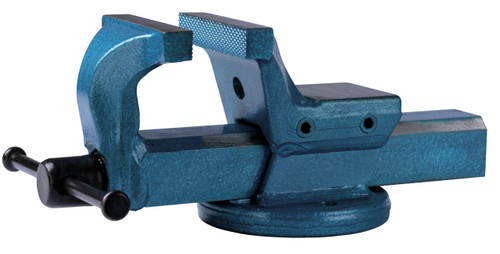
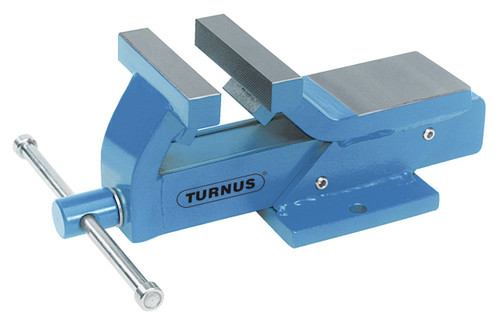
When the work is bigger than your hand, mount a bench vise. KUKKO offers two.
The series 520 all-steel bench vise is the lighter design, with jaw widths of 80, 100, 125, 150 and 175 mm (about 3-1/8 to 6-7/8 in). It's a good fit for a home garage or a service van bench where you clamp simple parts. The series 525 parallel vise comes in 100 to 175 mm and uses induction-hardened parts, so it's the better choice for medium-sized work clamped every day. Both come in blue, gray or red, except the 80 mm 520, which comes only in a standard finish.
Size a bench vise by jaw width. A 100 mm jaw handles most small engine and bicycle work. Go 150 or 175 mm if you clamp axle shafts, larger brackets or pipe.
Care and safe use
- Wipe chips out of the prismatic grooves. Packed filings stop the jaws from closing square.
- Put a drop of oil on the spindle threads now and then. If a spindle or key wears out, you'll find replacement parts in our vise jaws and clamp parts section.
- Never use a cheater bar on a hand vise nut. Use the key it was built for.
- Wear eye protection when filing or drilling, and keep the drill feed light when the part is held in a hand vise, so a grab doesn't spin the vise out of your hand.
- Soft jaw plates protect finished or plated parts in a bench vise.
If the part is too long for any vise, look at our screw clamps. You'll find the full workholding range in clamps and vises.
Frequently asked questions
What is a hand vise used for?
A hand vise holds small parts in your hand while you file, drill, deburr or polish them. Because you can turn and flip the part without unclamping it, it beats a bench vise for keys, pins, small brackets and jewelry work. KUKKO hand vises have grooved jaws that hold both round and flat stock.
What size hand vise should I buy?
Choose the smallest vise whose jaws open past the thickest part you work on. KUKKO series 101 runs from 100 to 200 mm in length. A 100 or 120 mm vise suits small parts and fine filing. The 180 and 200 mm sizes, or the 250 mm series 109, give more grip on heavier pieces.
What's the difference between a hand vise with a nut and one with a key?
A hex nut or wing nut is tightened by hand or with a wrench, which is quick for light work. Series 103, 106, 107 and 109 come with a key that gives more clamping force and a faster, firmer grip. For drilling or heavy filing, the key style holds the part more securely.
Should I choose the all-steel or the parallel bench vise?
The KUKKO series 520 all-steel bench vise is a lighter design for clamping simple parts, with jaws from 80 to 175 mm. The series 525 parallel vise uses induction-hardened parts and suits medium-sized work clamped day after day. If the vise will see daily shop use, the 525 is the safer pick.
Can I get replacement spindles for KUKKO hand vises?
Yes. Spindles with nuts, wing nut spindles and the key used on series 103 and 109 are sold separately in our vise jaws and clamp parts section. Match the part to the series number stamped on your vise, then swap the worn spindle instead of replacing the whole tool.