
-
-
-
CGW Abrasives
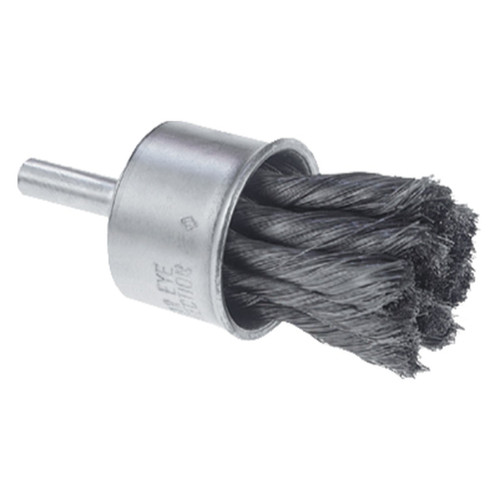
CGW Knotted Wire End Brush, 1" x 1/4" Shank, .014" Carbon Steel
Choose options for price
-

CGW Abrasives
CGW Crimped Wire Wheel Brush, 3" x 1/4" Shank, .014" Carbon Steel
Choose options for price
-
-
-
-
-
-

CGW Abrasives
CGW Green Wheel Zirconia Grinding Wheel, 4-1/2" x 1/4" x 7/8"
Choose options for price
-
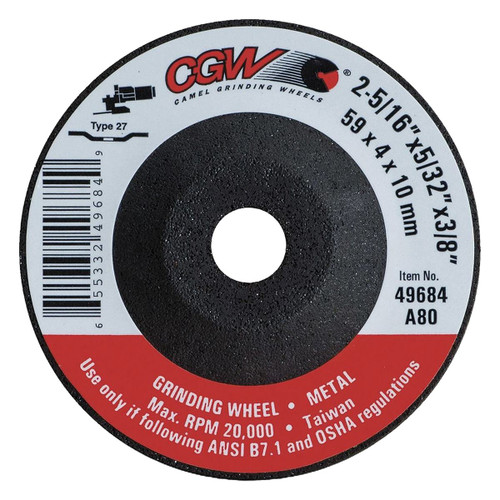
CGW Abrasives
CGW Mini Depressed Center Grinding Wheel, 2-5/16" x 5/32" x 3/8"
Choose options for price
-
-

-
-
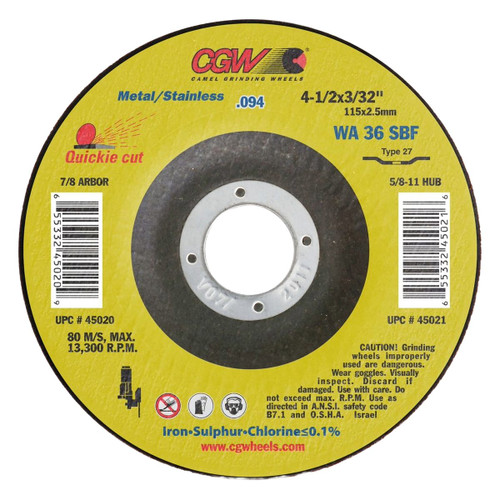
CGW Abrasives
CGW Thin Reinforced Cut-Off and Notching Wheels, 3/32", Type 27
Choose options for price
-

CGW Abrasives
CGW AI Edge Aluminum Cut-Off Wheel, 4-1/2" x .045" x 7/8", Type 27
Choose options for price
-

CGW Abrasives
CGW Aluminum Grinding Flap Disc with Grinding Aid, 4-1/2" x 5/8"-11, 60 Grit
Choose options for price
-
-
-
Abrasives
Pick abrasives by what needs to come off the workpiece: a length of bar, a proud weld, rust or the scratches left by an earlier pass. BRAIGG carries CGW wheels and discs for cutting, grinding, blending and surface preparation, along with bench wheels and shop rolls. Start with the operation below, then match the selected item to your tool and material. Check the approved uses even if a disc fits your spindle. Open one of the nine categories below to see product families, sizes and available grits.
- Cut-Off Wheels
- Grinding Wheels
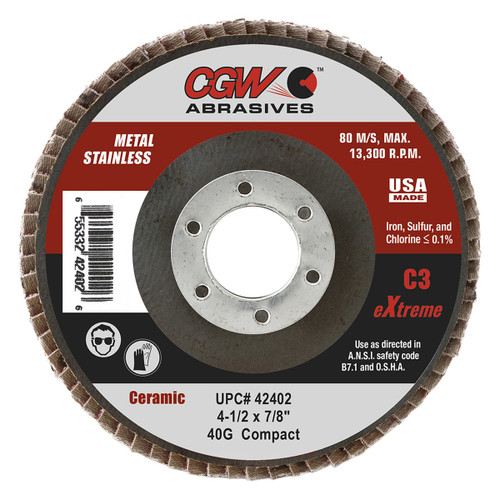
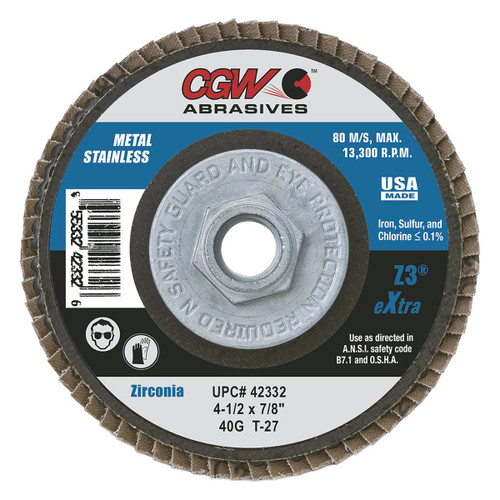
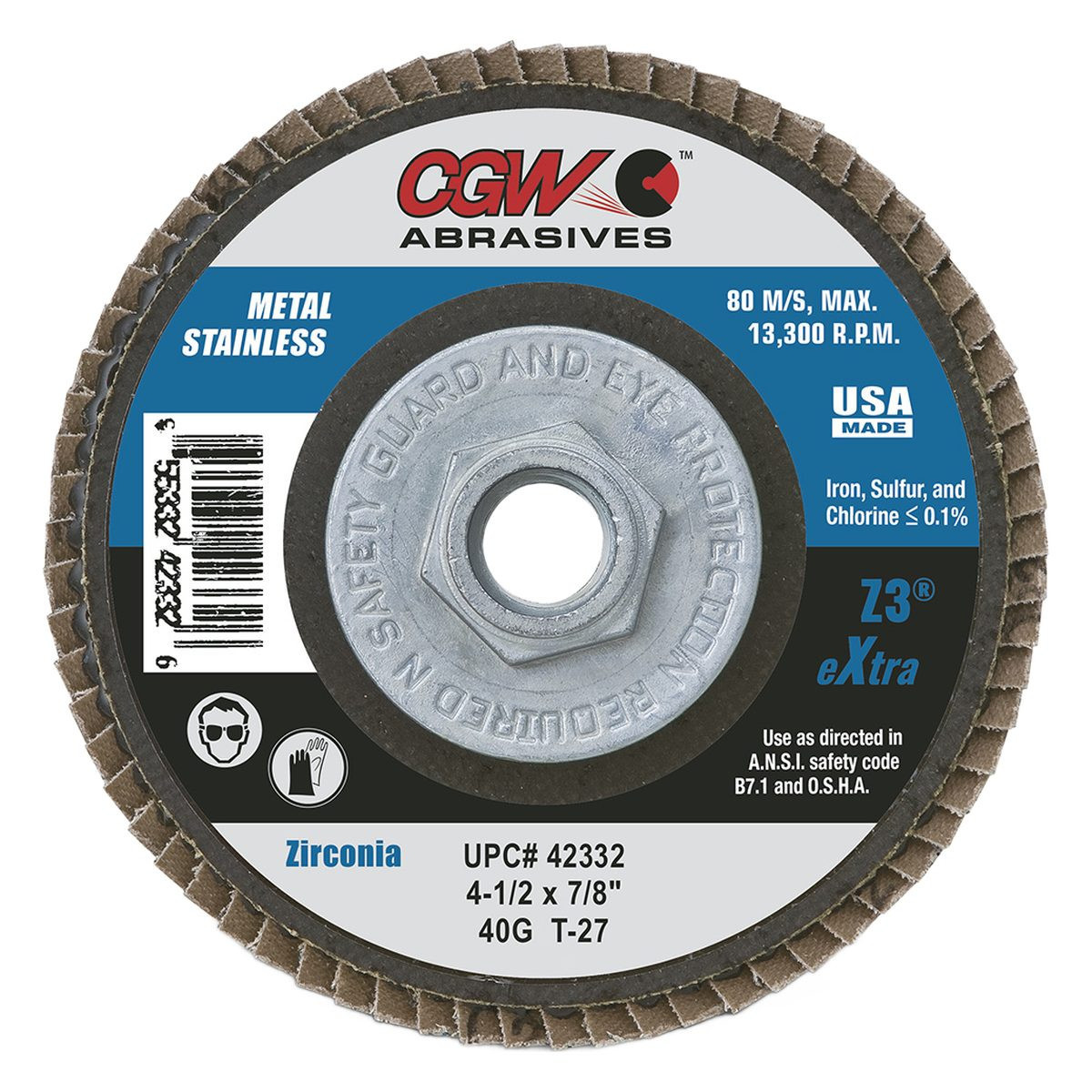
- Flap Discs
- Quick Change Discs
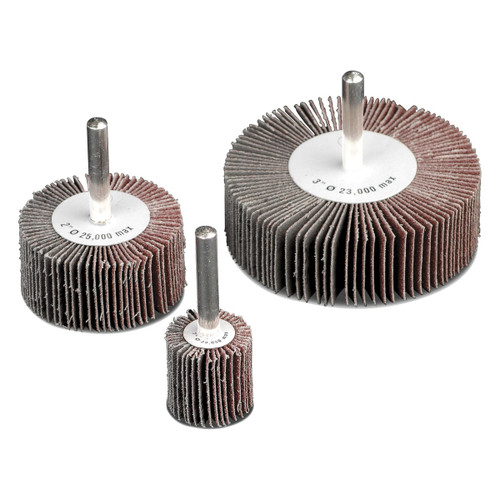
- Flap Wheels & Die Grinder Wheels
- Surface Prep & Strip Wheels
- Wire Brushes
- Bench Grinder Wheels
- Sanding Rolls & Discs
Find abrasives for each stage of metalwork
A welded bracket may need several operations before it is ready for paint. Cut the stock to length, remove excess weld where the drawing allows it, then blend the remaining grinding marks. Cleaning away paint or rust is a separate job. Plan for each stage before buying, so you have the right wheel ready when you finish the cut.
- Cut-off wheels separate stock. Choose the wheel for the particular grinder or saw, not just the diameter. A chop saw wheel and an angle grinder wheel are not interchangeable even though both cut metal.
- Grinding wheels are the route for stock removal and weld grinding. Check each wheel's approved operations before using its edge or face; a thin cutting wheel is not a substitute for a grinding wheel.
- Flap discs use overlapping coated abrasive flaps. Consider them when grinding and blending are both part of the job, and choose a grit that suits the finish you need to leave.
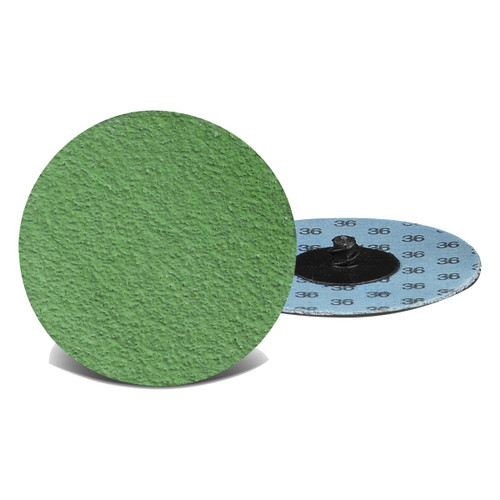
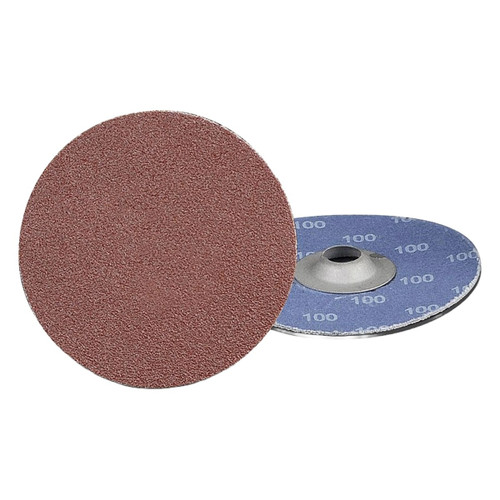
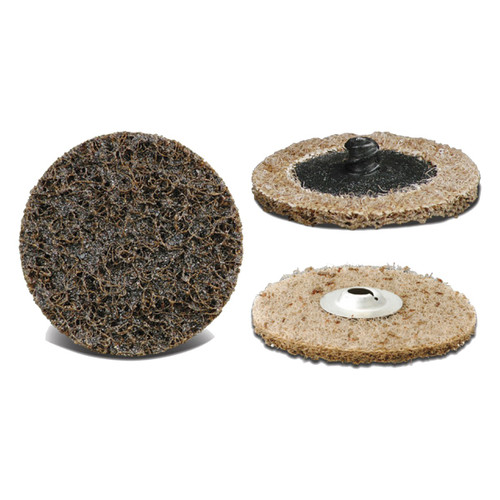
- Quick change discs put smaller abrasive discs on matching holders. Check roll-on versus turn-on attachment as well as diameter. Read the holder's attachment specification instead of judging fit by appearance.
- Flap wheels and die grinder wheels cover a different tool setup. Distinguish a shank-mounted flap wheel from a cut-off wheel that needs its specified mounting arrangement.
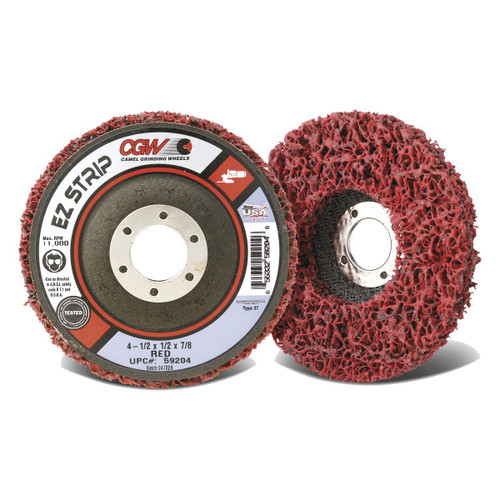
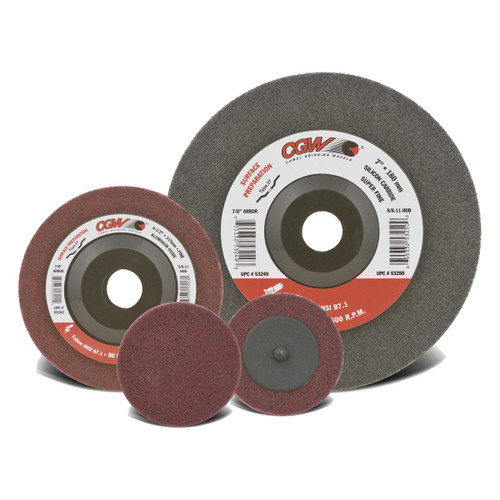
- Surface prep and strip wheels address cleaning and finishing. CGW's EZ Strip wheels remove paint, rust and scale; the fine maroon surface preparation wheel blends coated abrasive scratch patterns.
- Wire brushes offer another approach to cleaning rust and weld scale. These carbon steel brushes use wire rather than abrasive grain. Check brush shape, connection and material suitability before choosing one.
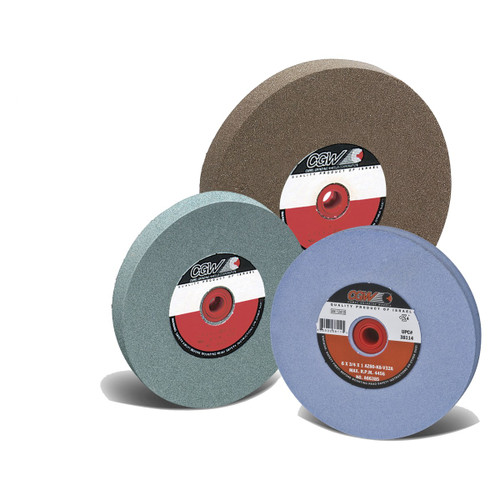
- Bench grinder wheels belong on compatible stationary grinders. The CGW brown aluminum oxide family covers stock removal, sharpening, deburring and shaping, with diameter, width and bore all needing a match.
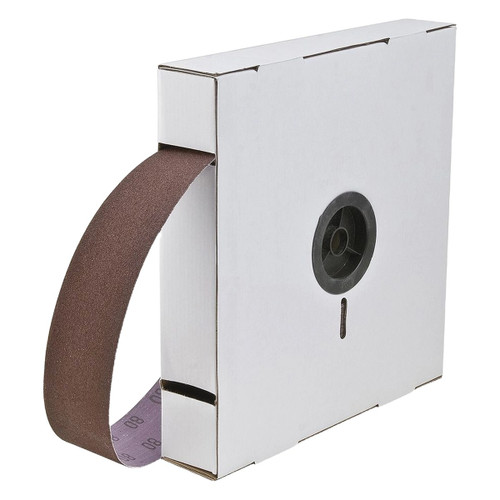
- Sanding rolls and discs include flexible shop roll material and a fiber disc. Read their mounting and use requirements separately; a length of abrasive cloth and a powered disc serve different setups.
Match grinder discs to the workpiece
Identify the metal before choosing the grain or product line. Steel, stainless and aluminum can need different abrasives even when the parts look alike. Read the material recommendation on the individual product page. The CGW Quickie Cut zirconia cut-off family, for example, is specified for steel and stainless steel. That does not make every wheel in the department suitable for both.
Keep tools used on ordinary steel separate from stainless finishing work where contamination matters. For aluminum, choose an item intended for that material rather than forcing a loaded wheel to keep cutting. Stop and inspect the abrasive if metal packs into its cutting surface.
Check fit and speed before mounting
For angle grinder wheels, confirm the tool's permitted diameter, the wheel's center connection and the required guard. Plain bores and threaded hubs mount differently. Check the exact option, since a single family can contain more than one connection. The same checks apply when replacing abrasive wheels on a stationary machine.
Never exceed the wheel's marked maximum RPM. Compare that rating with the tool's rated speed, not how slowly you expect to pull the trigger. Inspect the wheel before mounting, follow the tool and wheel instructions, and use the required guard and eye protection. Stop if the setup vibrates or the wheel appears damaged.
Choose grit with the next operation in mind
Within a comparable product family, lower grit numbers generally cut more coarsely and leave deeper scratches. Finer grits are for refining the surface, not quickly removing a large amount of excess metal. Start no coarser than the work requires. Then inspect the scratch pattern before changing grits, so an isolated deep mark does not survive through the final pass.
Most items can be bought singly or by the box; quantities vary by selected product. Bench wheels and shop rolls are sold individually. For a brand overview after choosing the right type of abrasives, see the CGW range guide.
Frequently asked questions
What are abrasives used for in metalworking?
Abrasives remove material through cutting, grinding or sanding action. In this department, that means wheels and discs for separating stock, removing excess weld, blending scratches and preparing surfaces, plus bench wheels and shop rolls. This is not a blasting-media selection. Choose the operation first, then check the specific product's material and equipment requirements.
How do I choose between a grinding wheel and a flap disc?
Start with the amount of metal to remove and the finish needed afterward. A grinding wheel is a common choice for stock removal, while a flap disc can grind and blend with its coated abrasive flaps. Neither choice excuses checking material suitability, grit, mounting requirements and the operations approved by the manufacturer.
Are all grinder discs suitable for stainless steel?
No. Check the selected disc's stated material recommendations rather than assuming every metalworking disc suits stainless. Where contamination matters, keep items previously used on ordinary steel away from stainless finishing work. Choose the disc for the operation too: cutting stock, removing weld and blending a surface call for different product types.
Can I use a cut-off wheel for side grinding?
Do not side-grind with a wheel intended only for cutting. Use it in the manner specified by its manufacturer and choose a grinding wheel for grinding work. Some products have more than one approved operation, but that must be stated for the exact wheel. Its shape alone does not mean the operation is approved.
What should I check besides wheel diameter?
Check width where applicable, bore or threaded connection, wheel type, material suitability and maximum RPM. Confirm that the tool accepts that wheel and has the required guard and mounting arrangement. A wheel that physically slips onto a spindle can still be wrong for the machine or intended operation. Read both sets of instructions.
Should I start with a coarse or fine grit?
Use a grit suited to the material you need to remove and the finish that must follow. Coarser grain generally removes material faster but leaves deeper scratches within a comparable abrasive family. Finer grain refines the surface. If appearance matters, test on suitable scrap and inspect the marks before moving to the next grit.