
Sanding Rolls & Discs
Keep sanding rolls at the bench for small surfaces that need controlled hand work. BRAIGG carries CGW aluminum oxide cloth shop rolls and a separate 36 grit fiber-backed disc for heavier steel removal. They share the same abrasive mineral, but the two formats are not interchangeable. Pick the cloth width and grit for the detail work, or check the disc and grinder setup for weld blending. The Abrasives department also includes bonded wheels and overlapping-flap formats if neither loose cloth nor a fiber-backed disc suits the surface you need to reach.
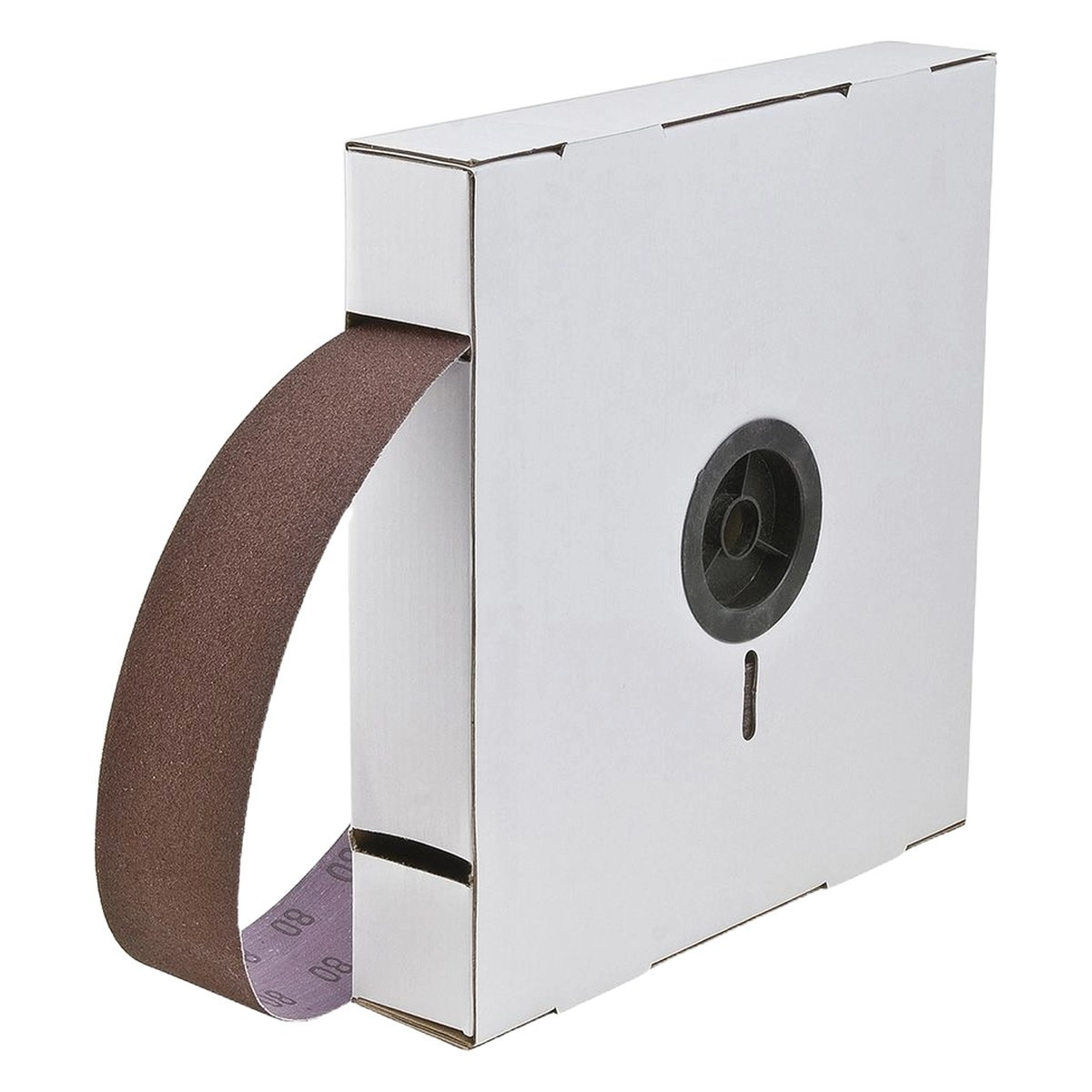

Sanding rolls for plumbing and detail work
The CGW shop rolls carry aluminum oxide abrasive on high-flexibility cotton cloth. A flexible phenolic resin bond limits grain shedding, and CGW describes the semi-friable grain as aggressive and long-lasting. Each roll supplies 50 yards. Tear off a strip sized to the exposed surface, leaving enough cloth to hold and control it without rubbing the abrasive against an adjacent finished area.
CGW lists plumbing, lathe work and fine detail work among the applications. For hand sanding, keep the strip where you can control its contact with the surface and inspect the work frequently. Where machinery is involved, follow the machine's approved abrasive-finishing procedure. Do not improvise by wrapping loose cloth around rotating work or putting your hands near an entanglement point.
Emery cloth, plumbers cloth and the actual mineral
An emery cloth roll or plumbers cloth often means a flexible abrasive roll in shop conversation. The abrasive here is aluminum oxide, not emery mineral. That distinction matters when matching a material specification or replacing a known consumable. Read the abrasive and backing information rather than relying on a familiar nickname.
The cloth backing lets you work around contours differently from a rigid abrasive. Still, flexibility is not a substitute for checking the finished dimensions. A strip can remove material from edges and high spots quickly, particularly with coarse grain. Stop before a close-fitting surface becomes a loose fit.
Choose the available width and grit together
These sanding rolls come in 1, 1-1/2 and 2 inch widths, but the grit selection is not identical across all three. Choose a width that suits the exposed surface without dragging abrasive across an adjacent finish. Then check the specific grit offered in that width.
- 1 inch: listed in 80, 180, 320 and 400 grit. This width has the finest listed option in the current shop-roll selection.
- 1-1/2 inch: listed in 320 grit. The full 80 to 400 range is not offered at this width.
- 2 inch: listed in 80, 120, 180, 220, 240 and 320 grit. Check the preceding scratch pattern before selecting a finer finishing step.
Lower grit numbers give a coarser abrasive; higher numbers give a finer one. Choose the least aggressive grit that will do the necessary work, then inspect before continuing. A polished-looking surface can still hold scratches from an earlier coarse pass. Before sanding an entire part to chase one local mark, check how much material remains.
A fiber disc for powered steel removal
The CGW 36 grit fiber disc is the powered option here. It has heat-treated aluminum oxide grain electrostatically coated onto heavy-duty vulcanized fiber backing. CGW lists heavy grinding, weld blending and rust removal on steel as applications, with high stock removal and cool cutting among its design features.
It measures 4-1/2 inches with a 7/8 inch arbor hole and has a maximum rating of 13,300 RPM. It requires a compatible backing pad, which is not sold here. When choosing sanding discs for angle grinder use, check the tool, pad, disc diameter, connection and all speed ratings as one assembly. Follow the grinder's guarding requirements and wear eye protection. The tool's rated speed must not exceed the lowest maximum rating of the accessories fitted.
Separate hand finishing from other abrasive jobs
Sanding rolls are sold individually as complete 50-yard rolls. The fiber-backed disc is available individually or by the full box of 25. For overlapping-flap construction on larger surfaces, compare flap discs. For compact powered abrasives with roll-on or turn-on connections, see quick change discs. A loose strip of shop cloth is not a substitute for a rated power-tool disc.
Frequently asked questions
Are these shop rolls made with emery abrasive?
No. These CGW shop rolls use aluminum oxide grain on cotton cloth. People often call this kind of flexible abrasive an emery cloth roll or plumbers cloth, but those familiar names do not identify the actual mineral here. Use the aluminum oxide specification when matching the roll to a job or replacing an existing abrasive.
How long are the sanding rolls?
Each CGW shop roll listed here contains 50 yards of abrasive cloth and is sold individually. Choose among the listed 1, 1-1/2 and 2 inch widths, then check the available grits for that width. The roll format lets you tear off the length needed for the particular plumbing or detail-finishing task.
Can I get every grit in each cloth width?
No. The 1 inch rolls are listed in 80, 180, 320 and 400 grit. The 1-1/2 inch width is listed in 320 grit. The 2 inch rolls are listed in 80, 120, 180, 220, 240 and 320 grit. Check the exact width-and-grit option before ordering a replacement roll.
Does the fiber disc need a backing pad?
Yes. The CGW 4-1/2 inch, 36 grit fiber disc requires a compatible backing pad for angle grinder use. The pad is not sold here. Match the 7/8 inch arbor hole, diameter and speed requirements to the grinder and pad instructions. The disc's maximum rating is 13,300 RPM; other assembly components may impose a lower limit.
What is the 36 grit fiber disc intended to do?
CGW lists this aluminum oxide fiber-backed disc for heavy grinding, weld blending and rust removal on steel. It is a coarse powered abrasive, not the same finishing format as flexible shop cloth. Check how much material the job allows you to remove, and choose a separate finer finishing step when the required surface calls for one.