
Engine & Transmission Tools
Engine tools cover the jobs between pulling the engine and buttoning it back up: compressing piston rings, pressing pins, pulling gears and hubs, and holding the block while you work on it. At BRAIGG, this page carries KUKKO tools made in Germany. That includes piston ring compressor bands, piston pin presses, a camshaft gear puller, hub and pulley pullers, a common-rail injector extractor, and the URANOS chain leveler and engine stands for heavy units. Below the products, we sort them by job so you can match the tool to the task.





Engine tools for the bottom end
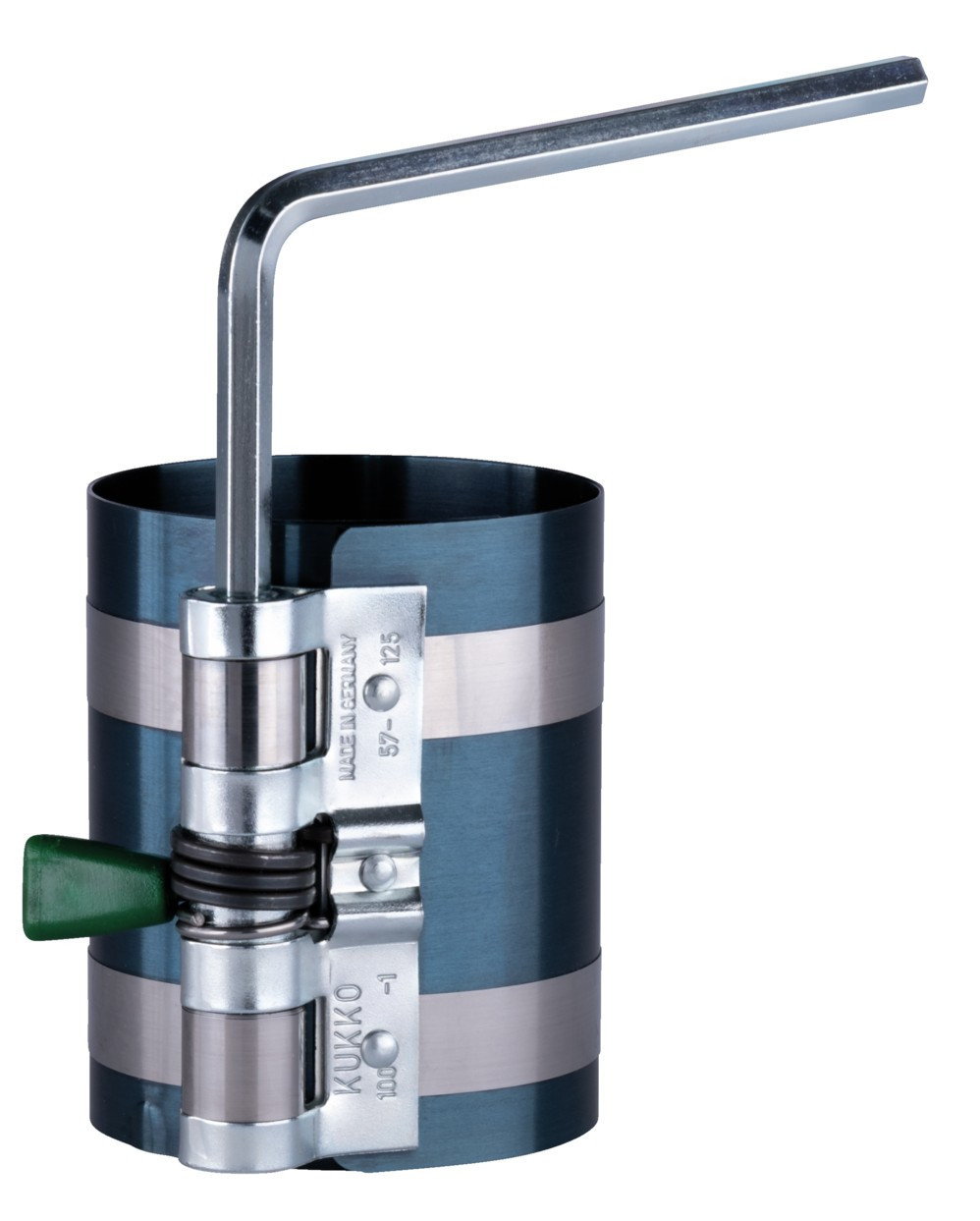
A piston ring compressor squeezes the rings flush with the piston so it slides into the bore without snapping a ring on the deck edge. KUKKO's series 100 bands come in three sizes (100-1, 100-2 and 100-3) and tighten with a hex key, so you can set the tension evenly instead of guessing with a ratcheting strap. Oil the rings and the inside of the band, set the band square on the block, and tap the piston down with a hammer handle. If it stops, don't force it. Back out and check for a ring sitting proud.
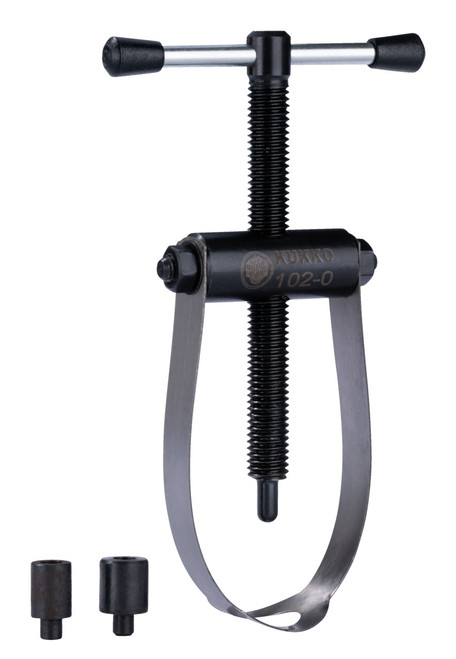
The series 102 piston pin press pushes wrist pins in and out with pressure pieces. A drift and hammer can crack or distort a piston; the press doesn't. The 102-0 includes two extra pressure pieces, while the 102-1 is built for large pistons and includes three.
Pulling gears, pulleys and caps
Front-of-engine work with engine tools usually starts with something pressed on a shaft. The camshaft gear puller, series 118, uses four special jaws that stay parallel as they slide, so they grip through the spokes of a cam gear without pulling it out of round. It spreads up to 115 mm (about 4-1/2 in) with 43 mm (about 1-11/16 in) of reach. The spindle neck has an anti-slip collar so your wrench doesn't jump off under load.
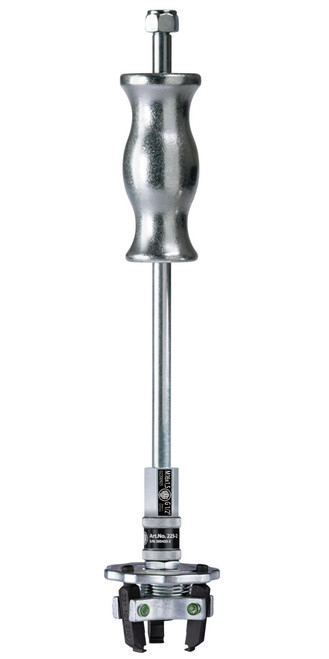
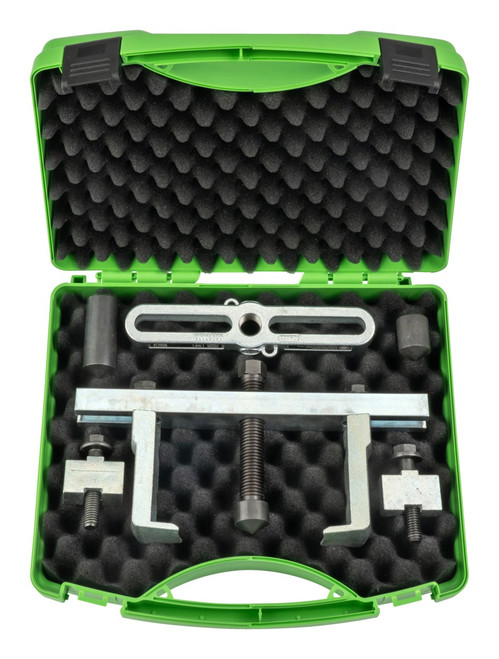
For accessory drives, the 124-K multi-ribbed pulley puller set handles pulleys up to 195 mm (about 7-11/16 in). Its two parallel jaws need less room than a three-jaw puller, which helps when the pulley sits close to the radiator. On pressed-in hub caps and grease caps, the 225-SK self-centering 3-jaw puller has spring-linked narrow jaws that clamp evenly and resist slipping. The 225-SK-G version adds a sliding hammer for caps you can't get a spindle behind.
Wheel hub puller and driveline work
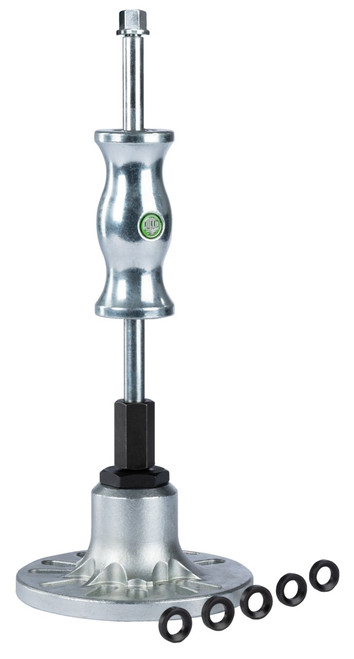
Transmission tools and hub tools overlap, since you'll often pull a hub to get a drive shaft out. The KUKKO 229-1-1 wheel hub puller and its sister 229-1-2 use a slotted flange that bolts to 4- and 5-hole hubs on most passenger cars, including VW, Audi, Seat, Skoda, Opel, Volvo, Fiat and Renault. Then the sliding hammer does the work. KUKKO also lists them for pressing drive shafts on front-wheel drive cars.
Truck engine tools go up a size. The series 226 truck axle hub puller comes with adapters for SAF and BPW trailer axles. The 225-S bolt extraction set pairs an 8 kg (about 17-1/2 lb) impact hammer with seven thread adapters for seized brake shoe and spring bolts.
Diesel injector removal
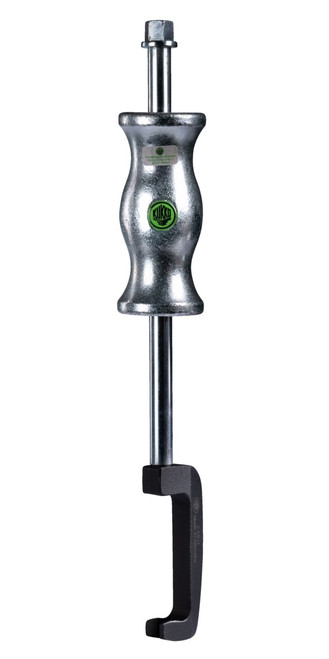
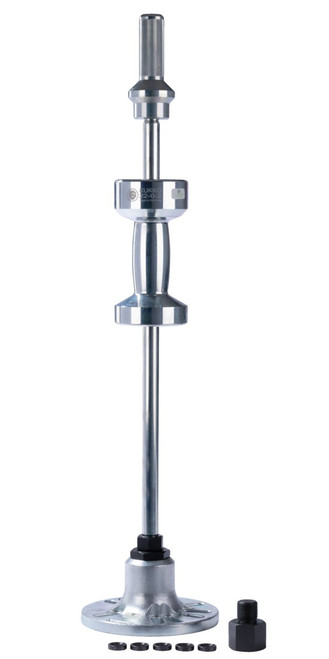
Common-rail injectors carbon up in their bores and refuse to come out. The 230-I injector extractor uses a heavy, shaped slide weight for a hard, straight pull, and an internal stop keeps your hand from getting pinched at the end of the stroke. Soak the injector with penetrating oil first and work it with short hits rather than one big swing.
Lifting and holding engines and transmissions
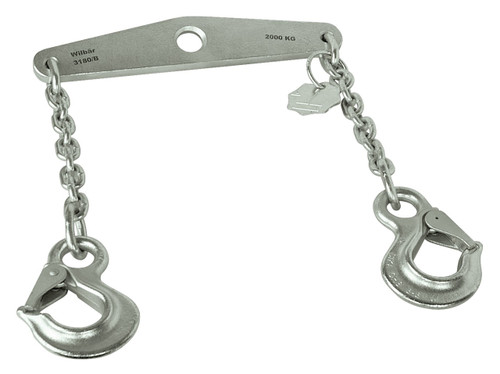
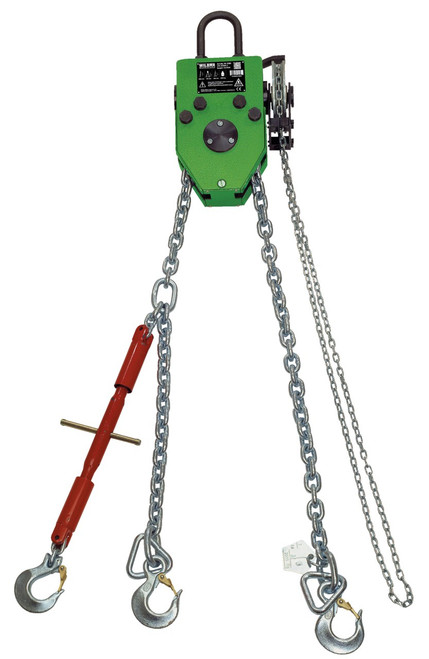
Heavy engine tools are about control rather than force. The URANOS motor conductor hangs between a crane hook and the load and tilts it with a hand chain, so you can match the angle of an engine or transmission to the mounts. A self-locking worm gear holds the angle. Two versions are listed: up to 2,000 kg (about 4,400 lb) with a 700 mm chain, or up to 500 kg (about 1,100 lb) with a 500 mm chain. Chain shorteners, safety catches and spare hand chain wheels are sold as W-3180 accessories.
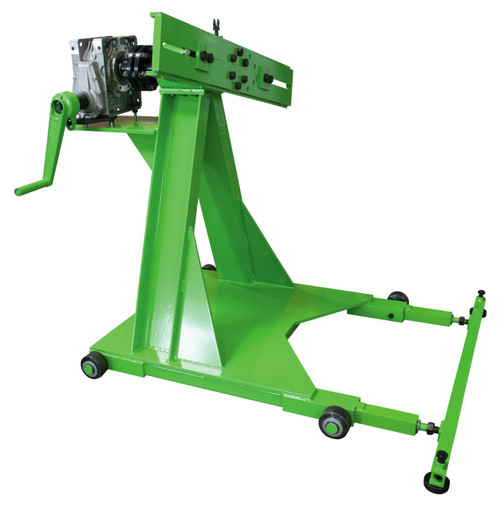
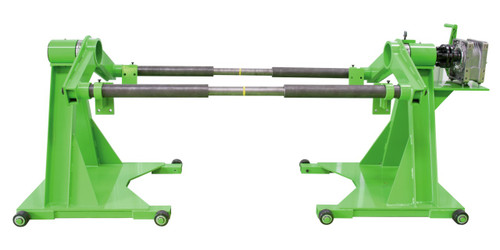
Once the engine is out, the W-6067 one-sided assembly stand holds it from one end with replaceable clamping jaws. The W-6066 double-sided bracket supports long or heavy blocks from both ends, and the W-6066/151 and W-6066/158 clamping angles adapt the stands to different engines.
Safety with engine tools
- Never work under a suspended engine. Set it on a stand or blocks before you reach in.
- Check the leveler's rating against the full weight of engine, transmission and fluids.
- Wear eye protection when you pull gears and swing a slide hammer, since pressed parts can let go with a crack.
- Keep the puller spindle centered on the shaft, and throw a cloth over the puller when it's under load.
More pullers for this kind of work are under automotive and truck pullers, and brake jobs are covered in brake and suspension tools. Go back to automotive service tools to see the full range.
Frequently asked questions
How do I choose a piston ring compressor band size?
Match the band to the piston diameter. KUKKO's series 100 comes in three sizes, 100-1, 100-2 and 100-3, and each tightens with a hex key so you can snug the rings down evenly. The band should close fully around the piston with room to tighten, not bottom out before the rings are flush.
Will a slide hammer hub puller fit my car?
The KUKKO 229-1-1 and 229-1-2 have a flange slotted for 4- and 5-hole hubs, and KUKKO lists them for most passenger cars, including VW, Audi, Seat, Skoda, Opel, Volvo, Fiat and Renault. Check your hub's bolt pattern against the flange slots. Trucks with SAF or BPW axles need the series 226 puller instead.
Why use a piston pin press instead of a drift?
Driving a wrist pin out with a hammer can crack the piston or distort the pin bore, especially on aluminum pistons. A press like the KUKKO series 102 pushes the pin out steadily through pressure pieces that support the piston. The 102-1 is sized for large pistons and comes with three extra pressure pieces.
What does a motor conductor or load leveler do?
It hangs between your crane or hoist hook and the engine and lets you change the tilt with a hand chain, so the engine or transmission lines up with its mounts. The KUKKO URANOS uses a self-locking worm gear to hold the angle and comes in 2,000 kg and 500 kg versions.
How do I remove a stuck common-rail injector?
Remove the hold-down clamp and lines, then soak the injector with penetrating oil and let it sit. Fit the KUKKO 230-I extractor and use short, sharp hits with the slide weight, keeping the pull in line with the injector. Its internal stop prevents pinched fingers. If it won't budge, more soak time beats more force.