
-
-
-
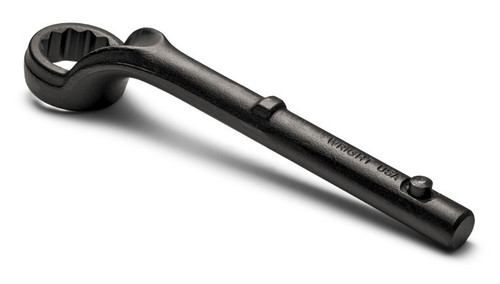
Wright Tool
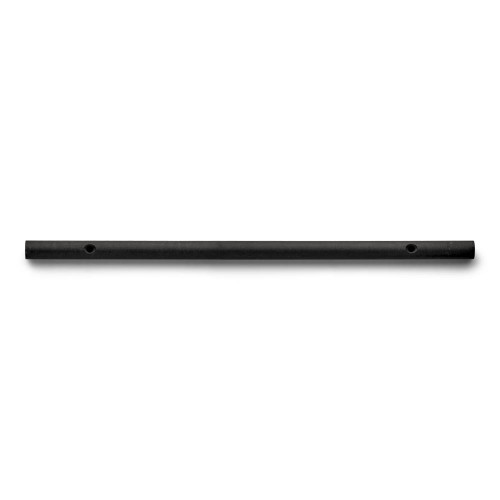
Wright Tool Strike Free Leverage Wrench (Use Tubular Handle 19A36)
Choose options for price
-
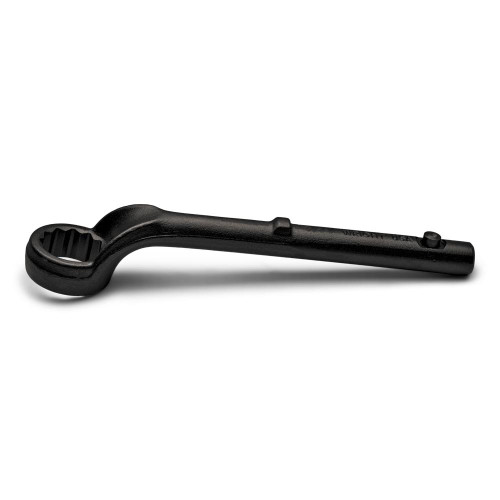
Wright Tool
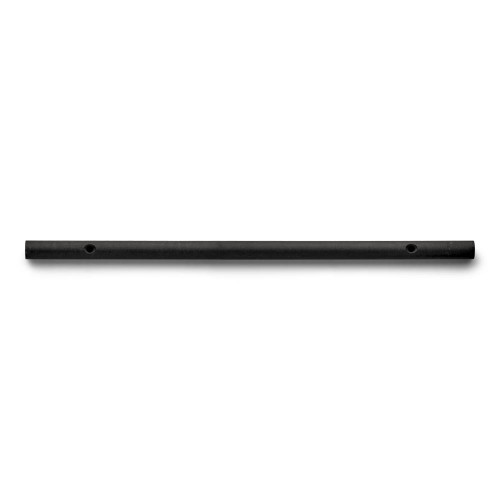
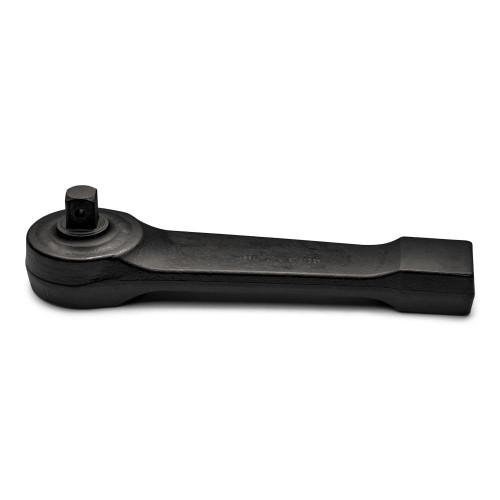
Wright Tool Strike Free Leverage Wrench (Use Tubular Handle 19A24)
Choose options for price
-
-
-
Wright Tool
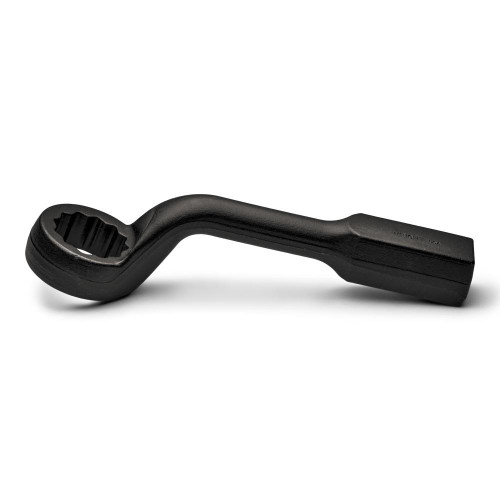
Wright Tool Striking Face Box Wrench 12 Point Metric 45⁰ Offset Handle Heavy Duty Black Industrial
Choose options for price
-
Wright Tool
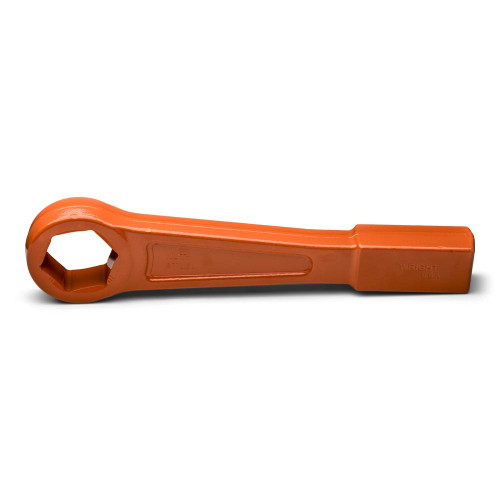
Wright Tool Striking Face Box Wrench 6 Point Straight Handle Heavy Duty Safety Orange
Choose options for price
-
Wright Tool
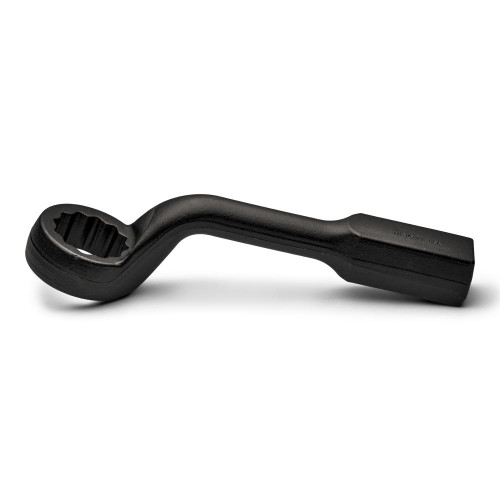
Wright Tool Striking Face Box Wrench 12 Point 45⁰ Offset Handle Heavy Duty Black Industrial
Choose options for price
-
-
Wright Tool
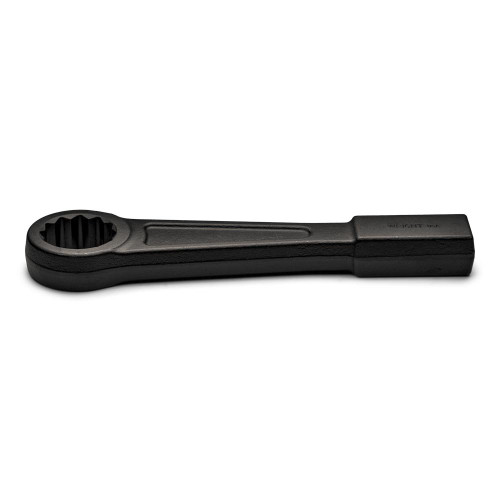
Wright Tool Striking Face Wrench 12 Point Straight Handle Heavy Duty Black Industrial
Choose options for price
Striking & Slugging Wrenches
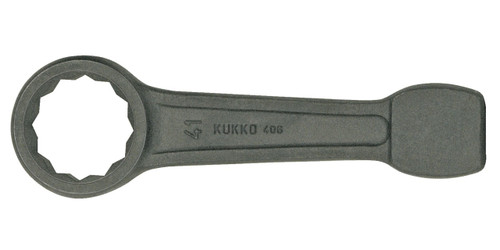
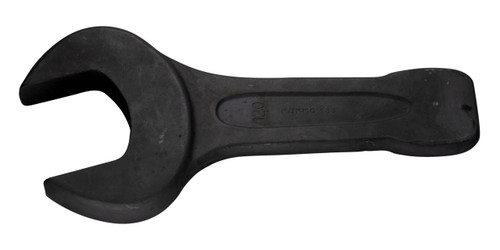
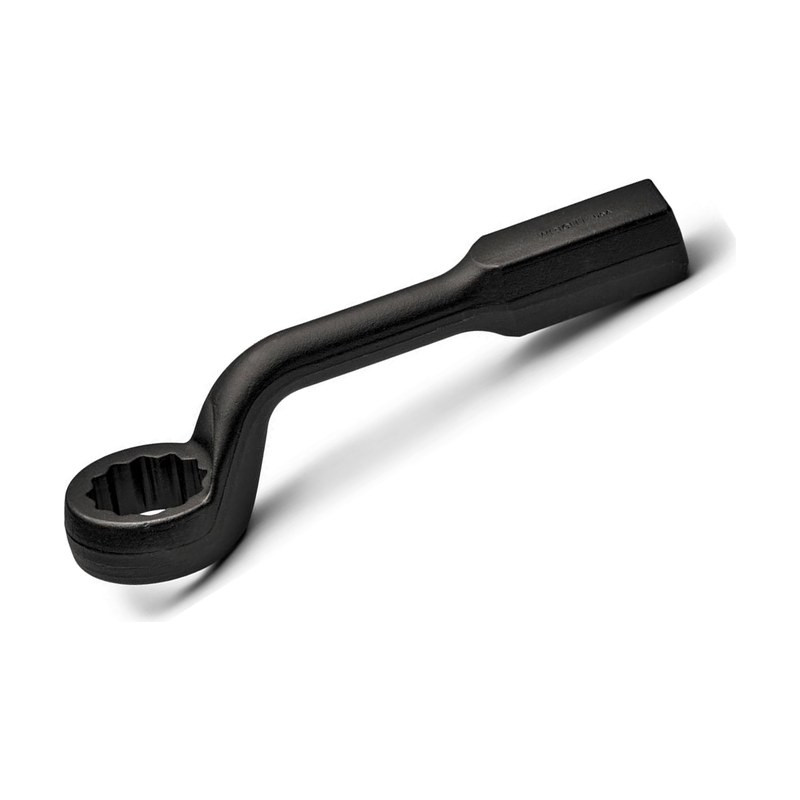
A striking wrench is a heavy box end with a flat striking face on the end of a short handle. You set it on a big nut and hit the face with a hammer to break it loose or set it tight. At BRAIGG, we stock Wright Tool striking face wrenches from 1 to 4-5/8 inch and 32 to 80mm, in 6 and 12 point, straight or 45 degree offset. We also carry strike free leverage wrenches that take a tubular handle instead of a hammer. The guide below helps you pick the head, handle and size.
Where striking and slugging wrenches get used
Pipe flanges, pump and valve bonnets, turbine casings, mill equipment and big gearbox covers all carry nuts that a hand wrench can't move. There's no room for a long cheater bar on a flange bolt circle, and an impact gun may not fit or may not be allowed in that area. A slugging wrench turns a hammer blow into a short, sharp twist right at the nut. Crews in refineries, power plants and heavy maintenance shops keep a rack of them for that reason. People also call it a hammer wrench or a striking wrench. Shops and catalogs file all of them under striking and slugging wrenches.
6 point or 12 point striking wrench
A 6 point head pushes on the flats, so it's the safer pick for rusted, painted or slightly rounded nuts that you expect to fight. Wright's 6 point line runs from 1-1/16 to 3-7/8 inch with straight handles. A 12 point head finds a new bite every 30 degrees, which helps when the hammer side of the wrench keeps landing against a pipe or a neighboring stud. Wright makes 12 point heads in straight handle sizes from 1 to 4-5/8 inch.
Straight or 45 degree offset handle
A straight handle striking wrench keeps the face in line with the nut, and that's what you want on an open flange where you can stand square to the work. The 45 degree offset lifts the handle and striking face above the surface. That leaves room to swing a hammer when the nut sits down in a recess or close to a raised face. Wright's offset 12 point striking wrench comes in SAE from 1 to 4-1/4 inch and in metric from 32 to 80mm.
Safety orange or black industrial
The 6 point straight line is finished in safety orange. It's easy to spot in a crowded work area, on scaffolding, and on a tool board at shift change. The 12 point lines are black industrial. Both finishes sit on the same heavy box end design, so the color is a visibility choice, not a strength one.
Strike free leverage wrenches
Some sites restrict hammer strikes near live equipment, and some jobs just need steady pull instead of shock. A Wright strike free leverage wrench has a box head that takes a separate tubular handle, so you pull rather than swing. The 19B34 to 19B52 heads, 1-1/16 to 1-5/8 inch, use the 2 foot 19A24 tubular handle. The 1-11/16 to 2 inch heads use the 3 foot 19A36 handle. Order the handle with the first head, since the heads don't include it. The category also lists Wright slugging wrench adaptors in 1 inch male x 1 inch female and 3/4 inch male x 3/4 inch female.
Using a hammer wrench safely
- Wear safety glasses or a face shield. Scale and chips fly off a nut when it lets go.
- Seat the striking wrench fully on the nut before the first blow. A half-seated head can jump off and take a knuckle with it.
- Use a hammer or sledge with a clean face, and strike only the striking face, square on.
- Retire any wrench with a cracked head or a mushroomed face.
Measure the nut before you order, since flange and equipment nuts often run a size larger than you'd guess from the stud. For snugging steel connections, see our structural wrenches. For controlled final torque on large bolts, a torque multiplier is the better tool. Heavy impact sockets cover nuts you can reach with an impact gun. Browse every style in wrenches.
Frequently asked questions
What is the difference between a striking wrench and a slugging wrench?
Nothing that matters at the job. Striking wrench, slugging wrench and hammer wrench all describe a heavy box end wrench with a flat striking face on the handle end. You set it on the nut and hit the face with a hammer or sledge. Wright calls its line striking face wrenches.
Should I buy a 6 point or 12 point striking wrench?
Choose 6 point for nuts that are rusted, painted or starting to round, since it pushes on the flats and slips less. Choose 12 point when space is tight and you need to reposition the wrench in smaller steps. Wright's 6 point line runs 1-1/16 to 3-7/8 inch, and its 12 point lines run 1 to 4-5/8 inch.
What is a strike free leverage wrench?
It's a heavy box head that takes a separate tubular handle, so you break nuts loose by pulling instead of hammering. That helps where strikes aren't allowed or sparks and vibration are a concern. Wright's 19B heads from 1-1/16 to 1-5/8 inch use the 2 foot 19A24 handle, and the 1-11/16 to 2 inch heads use the 3 foot 19A36 handle.
Do you carry metric striking wrenches?
Yes. Wright makes a 12 point metric striking face box wrench with a 45 degree offset handle in 32, 36, 41, 46, 50, 55, 60, 65, 70, 75 and 80mm. It has a black industrial finish, like the SAE offset line. Measure the nut across the flats before ordering, since a 46mm and a 1-13/16 inch nut are close in size.
What hammer should I use with a striking wrench?
Use a hammer or sledge with a clean, undamaged face that is heavy enough for the nut size, and hit only the striking face, square on. Always wear safety glasses or a face shield. Don't hit the handle of an ordinary wrench, which isn't made for blows and can crack.