
Ball Joint & Tie Rod Pullers
A ball joint removal tool needs to fit the joint itself, not just the vehicle model. Start with the width around the stud and the height above its end. Check where the puller will bear against the casting. BRAIGG carries KUKKO lever-operated, direct-press and bell-shaped tools for separating tapered ball studs and tie rod ends, including larger truck applications. A ball joint separator releases the taper; it does not necessarily press the joint housing out of a control arm. Identify which connection you need to separate before choosing between a stud puller and a housing press.
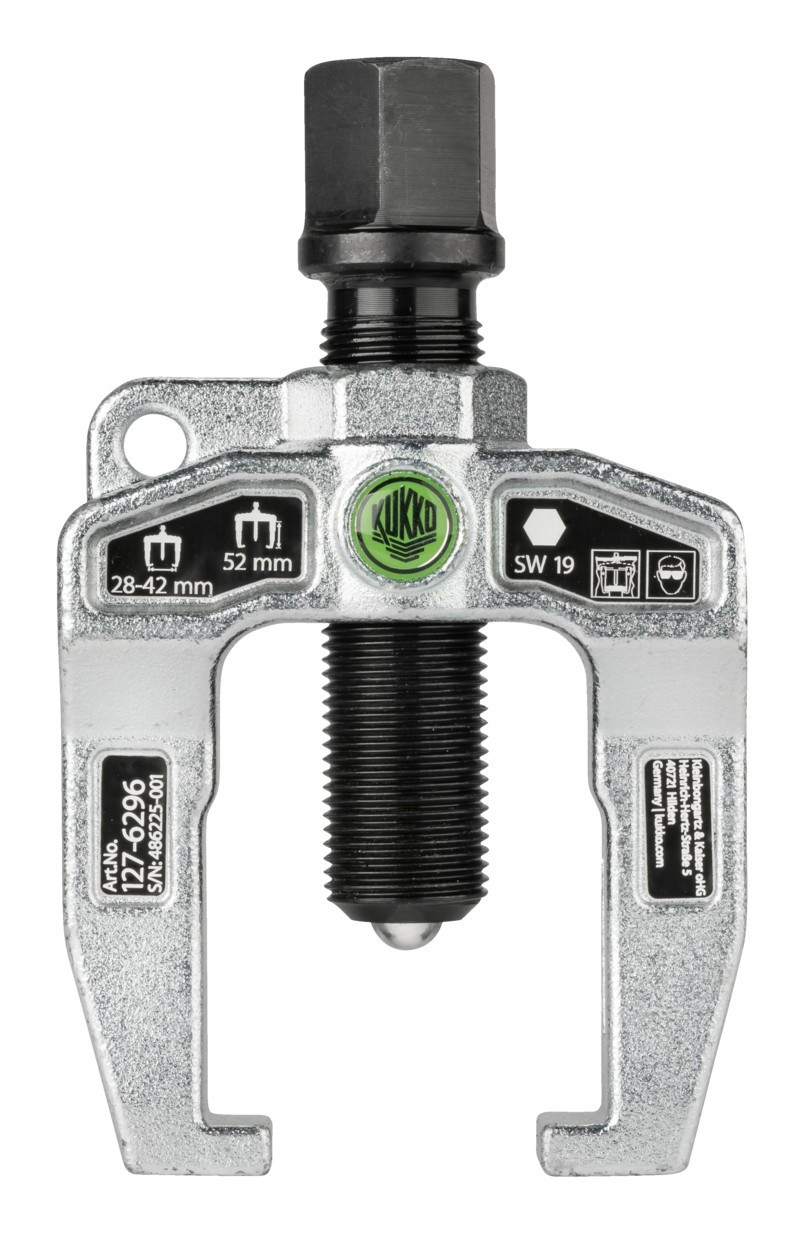
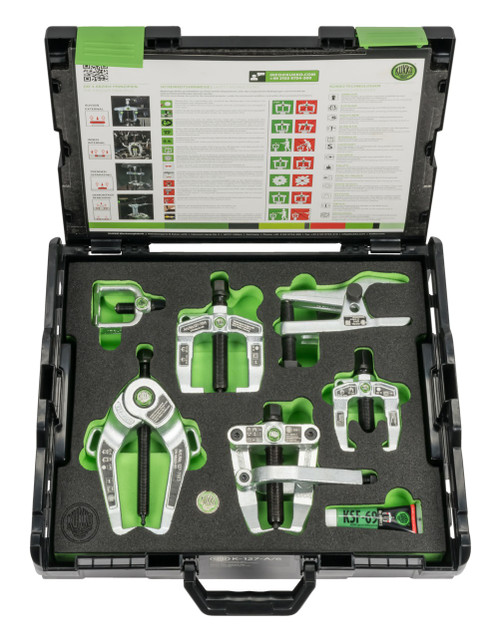


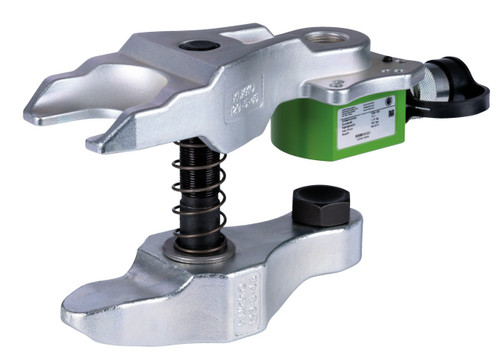
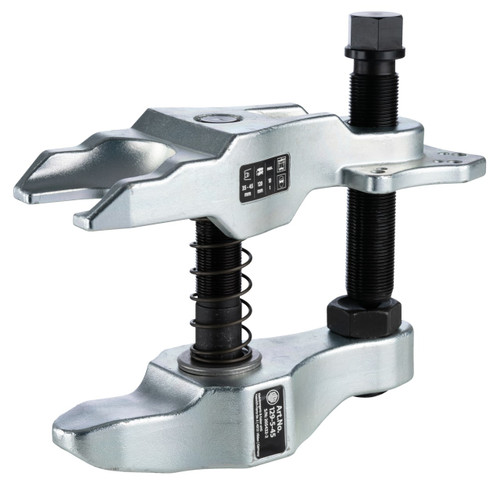

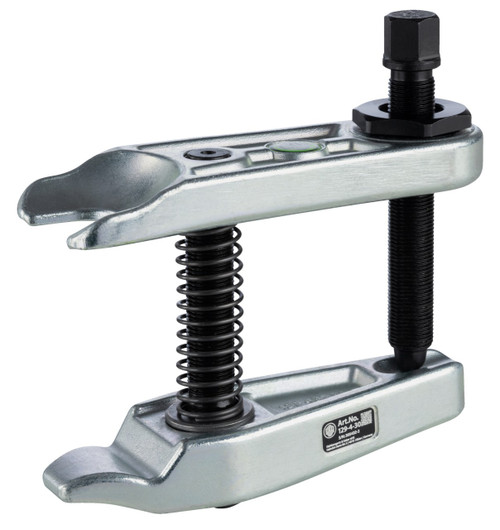

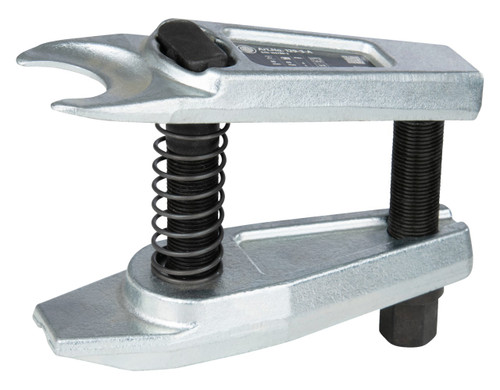
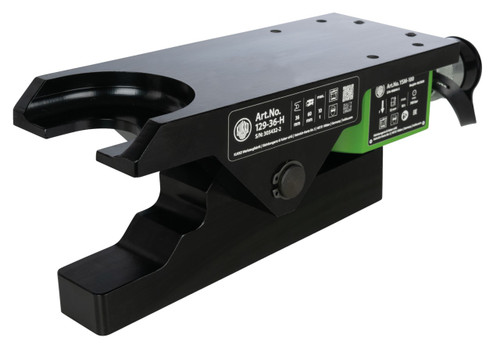
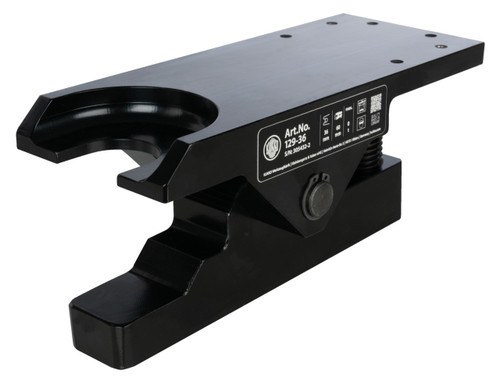


Choose a ball joint removal tool by the joint connection
There are two different jobs hidden in the phrase ball joint removal. One separates the tapered stud from a steering knuckle or steering arm. The other removes the joint body from the arm that holds it. A press-fit body needs the correct support cups and press procedure; a bolted or riveted body has different fasteners to remove. Most tools on this page address the tapered connection, so do not assume that a separator replaces a complete joint press kit.
For other service work, browse the parent Automotive Service Tools category. If you need the work sequence before picking hardware, read how to remove a ball joint. Identify the attachment and support requirements while the vehicle is still assembled.
Lever-operated, direct-press or bell-shaped?
A lever-operated ball joint puller places a fork around the stud and uses a screw to apply pressure through a lever. For cars and light commercial vehicles, KUKKO series 129-1 offers an adjustable lever arrangement to accommodate different clamping heights. You still need room to seat the fork squarely and turn the spindle without fouling the knuckle.
The KUKKO direct-press models apply pressure without the same lever layout. Series 127-0 is described for restricted space. By contrast, series 128 bell-shaped pullers suit joints with more working room around them. Choose a ball joint removal tool that sits fully on its intended support surface, rather than one that only catches a corner.
Measure the opening and the working height
Jaw opening is only the first measurement. Series 128 includes openings of 18, 23, 29, 40 and 46 mm, approximately 0.71, 0.91, 1.14, 1.57 and 1.81 inches. Match the opening to the joint neck where the fork or body must seat. Then check the distance to the stud tip, the outside shape of the casting and the clearance for the screw throughout its travel.
Do not buy the largest ball joint removal tool merely because it looks stronger. An oversized fork can bear on the wrong part of the casting or miss the intended support area. Check the individual model's dimensions and instructions. A jaw opening does not establish vehicle compatibility by itself.
Match a tie rod removal tool to the steering linkage
A tie rod end puller must reach the end of the stud while supporting the steering arm correctly. Check the dust boot before loading the tool. If the joint will be reused, avoid pinching or cutting the boot. A separating fork wedges between parts and can damage the boot, so it is not the first choice for a joint you intend to keep.
Truck linkages need their own fit check. The KUKKO 129-36 is listed for truck and low-floor bus tie rod and push rod joints. That does not make every truck puller suitable for every bus or axle. Confirm the model, joint dimensions and drive arrangement instead of transferring a passenger-car recommendation to a commercial chassis.
How to use a ball joint separator safely
Support the vehicle on correctly placed stands and follow the vehicle procedure for controlling the suspension arm and any spring load before disconnecting a joint. Never use a ball joint removal tool as a spring restraint. Wear eye protection and keep the forcing screw centered on the stud. Fit a suitable protective cover over the loaded tool where its instructions allow, and keep your hands out of the release path.
Increase pressure gradually. Stop if the fork tilts, the screw walks off center or the support surface deforms. Do not add an extension pipe or use an impact wrench unless the specific tool instructions permit it. A sharp release is normal for some tapers, but uncontrolled movement is not. Unload the tool before correcting its position.
Frequently asked questions
Does a ball joint removal tool also press out the joint housing?
Not necessarily. A tapered-stud separator releases the stud from its mating knuckle or arm. Removing a press-fit housing is a separate operation that needs suitable cups, supports and a press or approved service tool. Identify both connections before ordering, because one tool may not complete both jobs.
How to use a ball joint separator without damaging the boot?
Choose a separator whose support surfaces seat around the joint without trapping the rubber boot. Center the pressure screw on the stud and take up slack by hand before applying load. Stop if the boot is pinched. A wedge-type separating fork can damage the boot and is a poor choice when reusing the joint.
Can the same puller remove a tie rod end?
Many KUKKO tools here are described for both ball joints and tie rod ends. That is an application description, not a guarantee for every vehicle. Check the jaw opening, available height and steering arm shape. The tool must support the arm correctly while its screw bears squarely on the stud.
Which dimensions matter most when choosing a puller?
Measure the neck where the tool must fit, the distance from the support surface to the stud tip and the clearance around the casting. Check room for turning the spindle as well. An opening that fits around the joint is not enough if the pressure screw cannot reach or the body hits the knuckle.
Are passenger-car pullers suitable for truck joints?
Do not assume so. Truck and bus linkages can require different openings, reach and tool geometry. The KUKKO 129-36 is listed for truck and low-floor bus tie rod and push rod joints. Match the specific tool to the joint dimensions and vehicle procedure rather than choosing by appearance alone.