
-
Norseman Drill & Tool
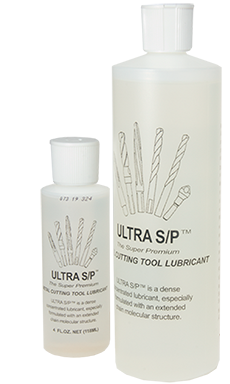
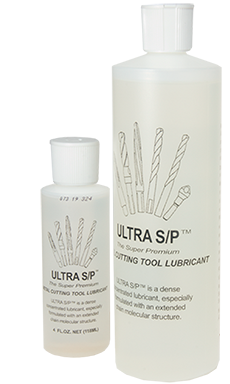
Norseman Ultra S/P Super Premium Metal Cutting Lubricant
Choose options for price
Cutting Fluids & Lubricants
Choose cutting oil for the metal, tool and operation, then make sure it reaches the cutting edge. A bottle on the bench does little good if the drill point runs dry inside the hole. BRAIGG carries Norseman Ultra S/P Super Premium Metal Cutting Lubricant, Type 11-AG, in 4 oz and 16 oz options. Its no-run formula is useful where you need lubricant to stay on the work rather than drain away. Before use, check the product label and safety data sheet for handling instructions and suitability for your material, equipment and method of application.
What cutting oil does at the tool edge
Metal cutting involves contact between the tool, workpiece and moving chip. Lubrication helps manage friction at that contact. The result still depends on a sharp tool and the correct cutting conditions. More lubricant cannot straighten a crooked tap or restore a chipped drill point. Inspect the tool first. If the same drill starts producing a rough finish after making several clean holes in the same stock, stop and inspect the edges before you change the lubricant or increase pressure.
Cutting fluid is a broad term. It does not mean every product has the same ingredients, dilution requirements or application method. The catalog item here is a metal cutting lubricant, not a general claim that it replaces every machine coolant. Follow the manufacturer's directions rather than adding water, mixing products or filling a machine reservoir on the strength of a category name.
Norseman Ultra S/P Type 11-AG
Norseman describes Ultra S/P cutting lubricant as a super concentrated, no-run formula that clings to vertical surfaces. That staying power is worth considering when the drilling face is upright. The manufacturer also describes it as virtually smoke free and states that it extends tool life. Follow ventilation guidance and recommended cutting conditions even when a lubricant produces little visible smoke.
There are two listed bottle options: 4 oz and 16 oz. Choose based on the amount you expect to use and where you keep the bottle. Confirm the selected option on the product page. Both belong to the same Ultra S/P family; the larger size is not a different cutting formula. For the rest of the manufacturer's tool range, visit Norseman Drill & Tool.
Using cutting oil for drilling
Begin with a secured workpiece, a sound drill and a speed appropriate to the diameter and material. Apply lubricant as directed before starting the cut. As the hole gets deeper, check that lubrication can reach the working end rather than merely wetting the surface around the hole. Norseman's troubleshooting guidance identifies insufficient coolant, or coolant that does not reach the point, as a cause of poor tool life.
Chip clearance matters just as much. Withdraw the tool at suitable intervals to clear chips when the operation calls for it; do not force a drill through packed flutes. Stop the spindle before brushing chips away or applying lubricant by hand near the tool. Keep fingers, rags and loose clothing away from rotating parts. Match the drill to the work using the twist drill bits guide.
If cutting oil reaches the point but the hole is still rough, inspect the edge, feed and setup. Norseman lists incorrect point grind, dull drills, excessive feed and incorrect or insufficient coolant among possible causes of rough holes. Changing one condition at a time helps you find the actual problem. For work-hardening material, the stainless steel drilling guide covers tool selection and technique.
Lubrication when tapping a drilled hole
A tap needs the correct starting hole, alignment and room for chips. Check the thread specification against the tap drill chart before cutting. An undersized starting hole makes the tap work harder; lubricant is not a substitute for the right diameter. In a blind hole, also allow room below the required thread for the tap lead and chips.
Norseman's tap troubleshooting guidance lists insufficient or incorrect lubricant among possible causes of sticking, excessive wear and rough threads. If you are choosing tapping fluid, verify the product's suitability for the metal and tapping process before use. Then select the correct tool from taps and dies. Do not assume one lubricant corrects the wrong tap geometry or inadequate chip space.
Keep the application controlled
Use cutting oil deliberately, not to mask rising heat or a tool that has stopped cutting. Stop and inspect a worsening cut. Keep the applicator clean. Close the container after use and follow the label's storage instructions. Remove residue as required before a later coating, bonding or finishing operation. Dispose of used fluid and contaminated chips according to applicable instructions and local requirements; do not pour leftovers into a drain.
For a new job, record the material, drill or tap, cutting conditions and lubricant used. That record gives you a baseline if finish quality or tool life changes. The right product is one part of that setup. Start with the tool and operation in the cutting tools department, then check the lubricant instructions against both.
Frequently asked questions
What is cutting oil used for?
It provides lubrication where a cutting tool contacts the work and chip. It is used as part of a setup that also needs a suitable tool, secure workholding and correct cutting conditions. Check the lubricant's label for the intended materials and operations rather than assuming that any oil is suitable for metal cutting.
Which Norseman cutting lubricant is listed here?
The listed product is Norseman Ultra S/P Super Premium Metal Cutting Lubricant, Type 11-AG. The available bottle options are 4 oz and 16 oz. Norseman describes the formula as super concentrated and no-run, with the ability to cling to vertical surfaces. Read the product instructions before selecting an application method.
Is cutting fluid the same as a machine coolant?
Not necessarily. Cutting fluid is a broad description that can cover products with different functions and application requirements. A category listing does not establish that a lubricant is suitable for a machine's coolant system. Check the fluid instructions and equipment requirements before filling a reservoir, diluting a product or mixing it with another fluid.
Why does a drill still cut poorly after I add lubricant?
Lubricant may not be reaching the point, or the problem may be elsewhere. Inspect the cutting edges, chip clearance, speed, feed and workholding. Norseman's drilling guidance lists several possible causes of poor tool life and rough holes. Stop and correct the setup instead of adding pressure to a tool that is no longer cutting properly.
Can lubricant fix a tap that keeps binding?
Only if lubrication is the actual problem. Norseman lists insufficient or incorrect lubricant among the possible causes of binding, but an undersized hole, poor alignment or chip problems also need attention. Confirm the tap drill size and chip space, then check that the lubricant is suitable for the material and tapping operation.