
-
-

-

-

-

-
-

-
-

-

-
-

-
-
-

-
KUKKO
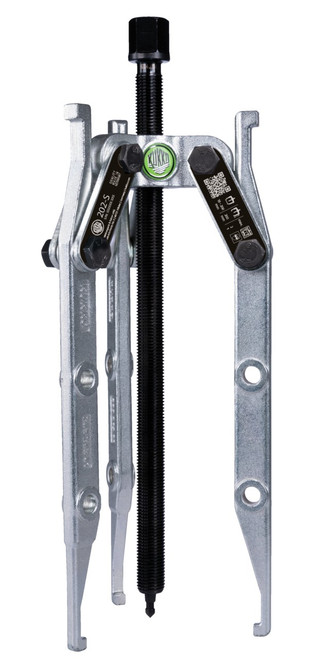
KUKKO Replacement Crossbars for 3-Jaw Universal Pullers - Series 202-T
Choose options for price
-
-

-

-
KUKKO
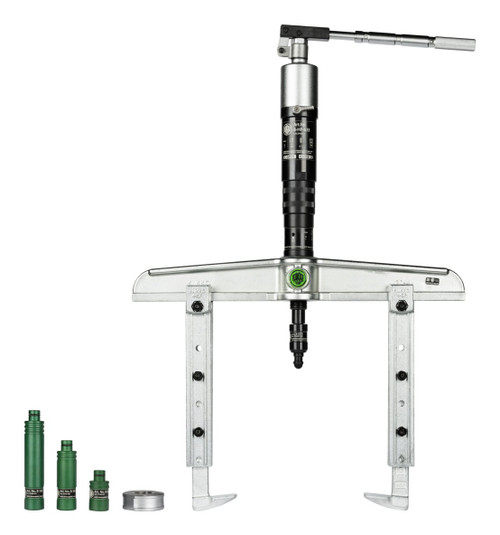
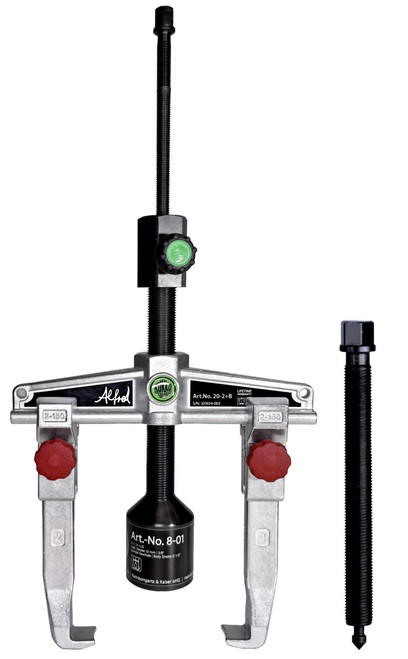
KUKKO 2-Jaw Universal Puller with Quick-Adjust Jaws and Hydraulic Spindle
Choose options for price
Pullers & Extractors
Puller tools do the job a hammer and pry bar can't: they take a gear, pulley or bearing off a shaft with steady, centered force, so the part and the shaft both survive. At BRAIGG, this department is all KUKKO, the German puller maker founded in 1919. You'll find jaw and hydraulic pullers, bearing separators, internal extractors and slide hammers, ball joint pullers, screw extractors and nut splitters, plus sets, installation tools, replacement jaws and spare parts. Start below with what you're pulling, and we'll point you to the right section.
-
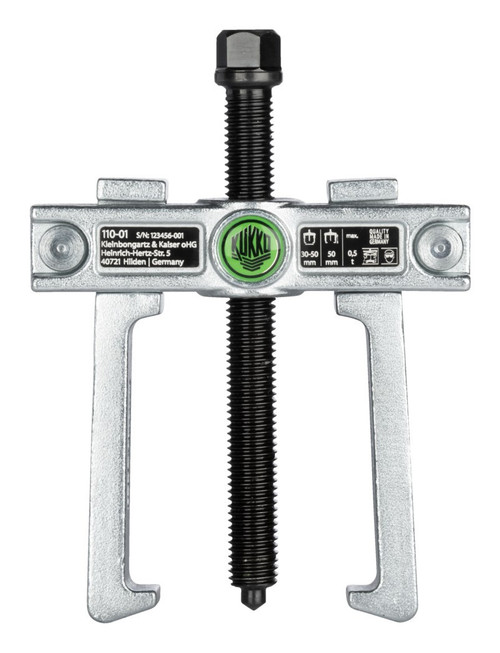 Gear & Jaw Pullers
-
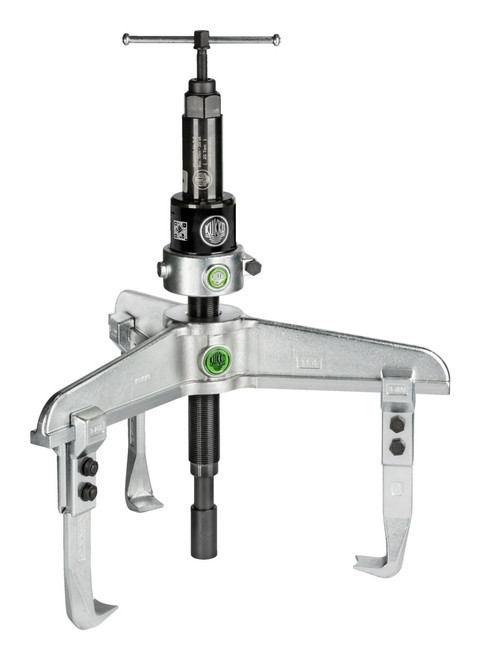 Hydraulic Pullers
-
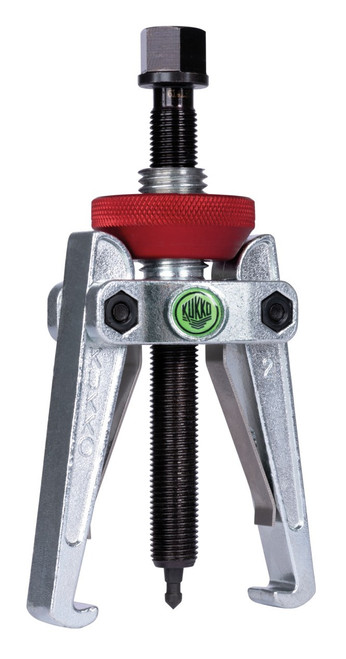 Bearing Pullers & Separators
-
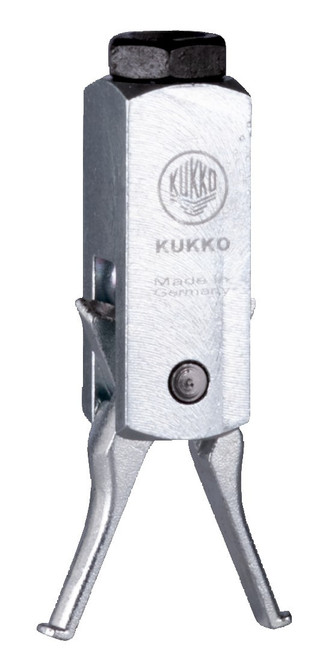 Pilot Bearing & Blind Hole Pullers
-
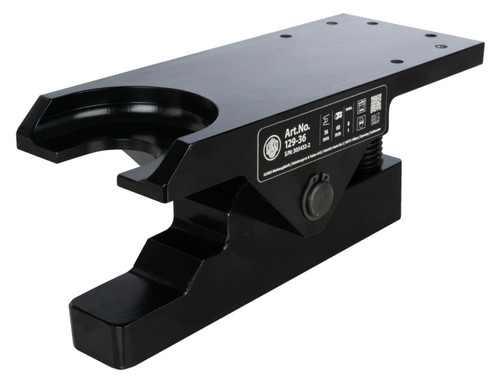 Automotive & Truck Pullers
-
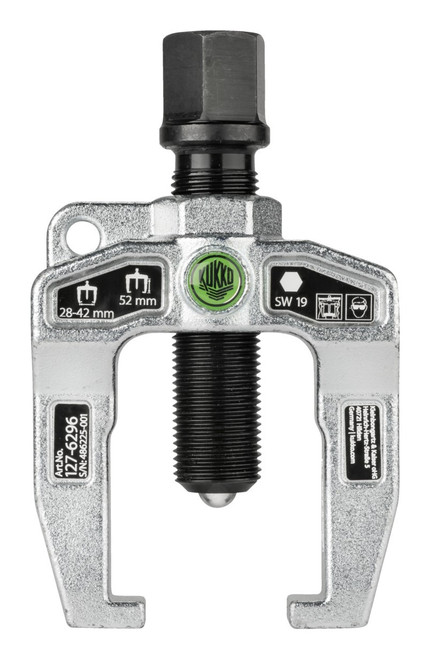 Ball Joint & Tie Rod Pullers
-
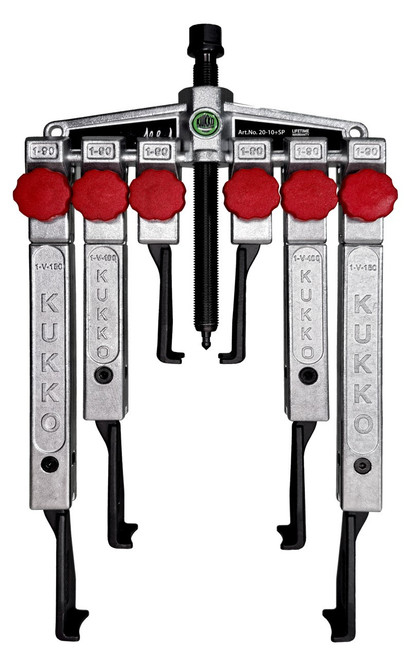 Puller Sets
-
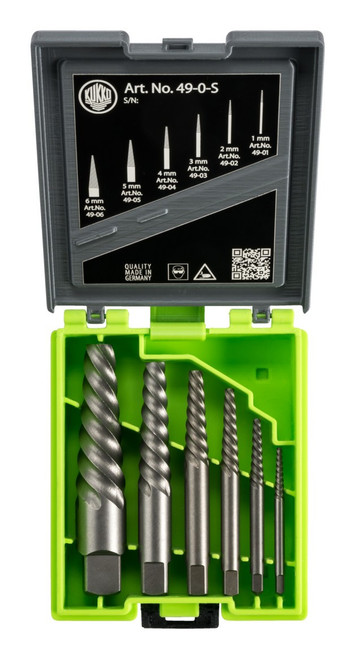 Screw & Stud Extractors
-
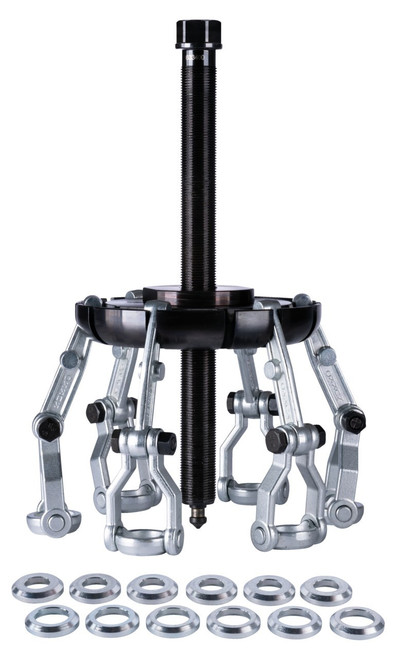 Wheel Hub & Axle Pullers
-
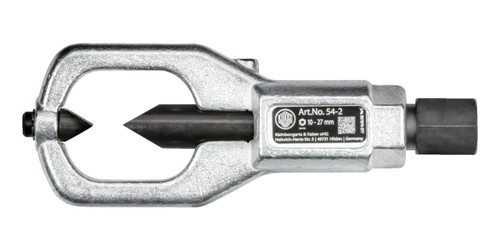 Nut Splitters
-
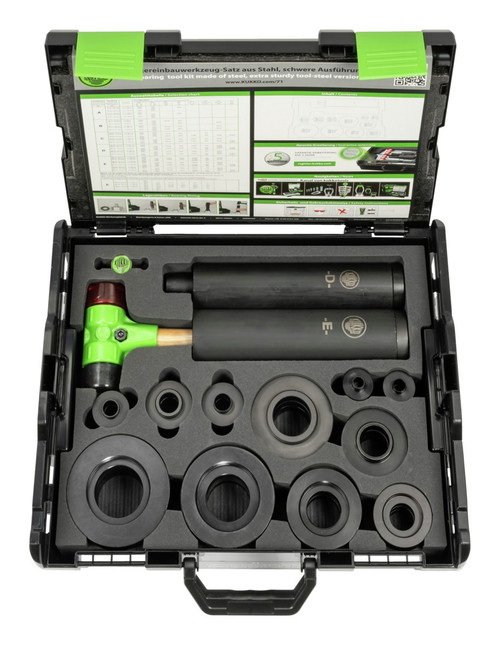 Bearing Installation & Presses
-
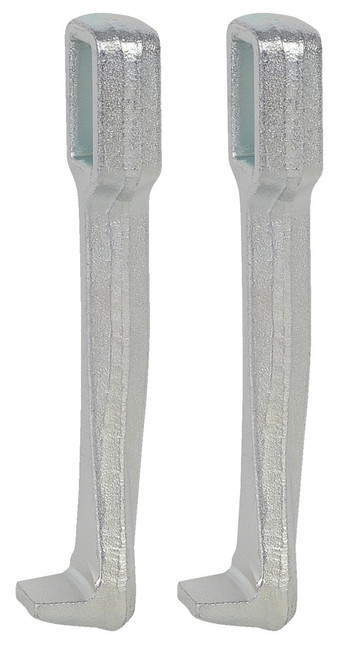 Puller Jaws & Accessories
-
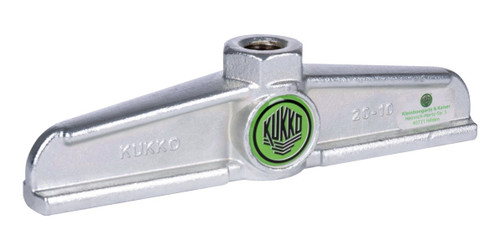 Puller Spare Parts
-
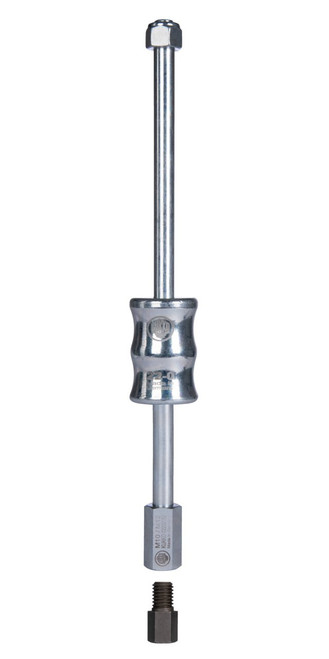 Slide Hammers
Choosing puller tools by the job
Most pulling jobs fall into one of three cases. Either jaws can get behind the part on the shaft, the part has no edge to grab, or it sits inside a bore or blind hole. Figure out which case you have first, then size by spread (how wide the jaws open) and reach (how deep they go). Our puller tools run from small pullers for electric motor bearings to hydraulic units for truck hubs.
| What you're removing | Where to look |
|---|---|
| Gear, pulley or flywheel with an edge to grab | Jaw pullers |
| Large or badly seized part | Hydraulic pullers |
| Bearing tight against a shoulder | Bearing pullers and separators |
| Bearing or seal inside a bore | Internal extractors and slide hammers |
| Ball joint or tie rod end | Automotive and truck pullers |
| Broken bolt or stud | Screw and stud extractors |
| Rusted or rounded nut | Nut splitters |
Jaw pullers: the gear puller everyone needs
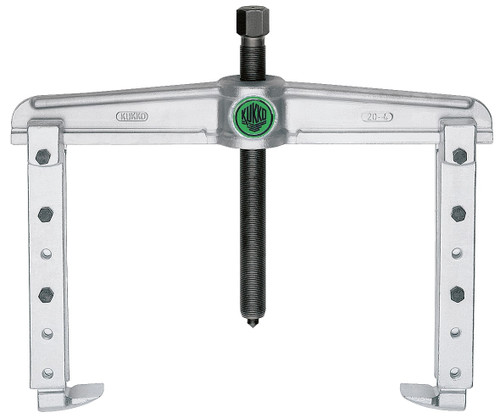
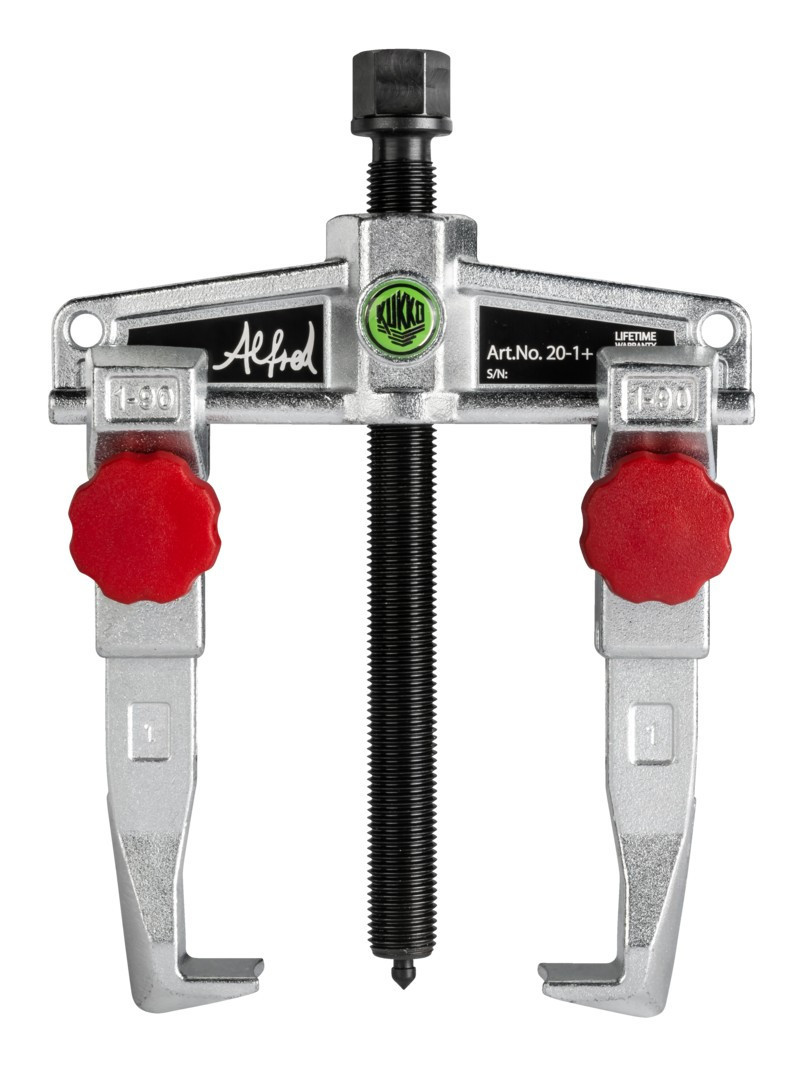
A gear puller with two or three jaws is the classic puller tool. The jaws hook behind the part, the spindle pushes on the shaft end, and turning the spindle walks the part off. Our jaw pullers cover spreads from 50 to 650 mm (about 2 to 25-1/2 in), with narrow-jaw, self-centering, adjustable-reach and non-sparking versions. Use two jaws where space is tight or the part has only two good grab points. Use three jaws on round parts like pulleys, because the load spreads evenly and the puller is less likely to cock. The guide on 2-jaw vs 3-jaw pullers goes deeper.
When hydraulic puller tools make sense
If you're leaning on a breaker bar and the spindle barely moves, it's time for hydraulics. KUKKO hydraulic pullers come two ways. Some have a grease-hydraulic spindle built in, rated 10 to 20 t, so a normal wrench builds far more force. Others use a hollow-piston cylinder that runs off a separate pump, which suits shop presses, truck work and repeat jobs. Both come in 2 jaw and 3 jaw styles.
Bearing puller or bearing separator
A bearing pressed tight against a shoulder leaves no lip for standard jaws. That's where a bearing puller with thin, wedge-shaped jaws or a separator comes in. A separator is a split collar that you close behind the inner race, then pull with a spindle and bridge. Our bearing section includes 2 and 3 jaw bearing pullers, Cobra clamp pullers, the PULLPO and TRI-PULL designs, and separators from 6 to 420 mm. Not sure which one fits? Start with our guide on how to choose a bearing puller, then compare the two styles in bearing separator vs bearing puller.
Internal extractors and slide hammers
When the bearing sits in a housing bore or a blind hole, you pull from the inside. A split-shell internal extractor expands behind the bearing's inner race, and a slide hammer or counter support provides the pull. KUKKO internal extractors start at 4.8 mm, and slide hammers run up to 5 kg (about 11 lb). The section also has seal pullers and dowel pin pullers. Two guides cover the common jobs: removing a bearing from a blind hole and removing a pilot bearing.
Automotive and truck pullers
Suspension and steering parts need their own puller tools. This section carries KUKKO lever-operated ball joint pullers in the 129 series, a version for aluminum-chassis cars, and truck tie rod and push rod joint pullers, including a hydraulic model. A dedicated ball joint puller splits a tapered joint without the pickle-fork damage to boots and seals.
Extractor tools for broken bolts and seized nuts
Not every pulling job is a gear or a bearing. For a snapped bolt, our screw extractors cover 3 to 64 mm, and internal-tooth stud extractors grip studs from 5 to 30 mm. When the nut is the problem, a nut splitter cracks it open for nuts from 4 to 75 mm while leaving the stud's threads intact. These extractor tools have their own sections in our pullers and extractors department so you can size them by fastener.
Puller set or single puller
For most shops, a puller set is the better buy among puller tools when you don't know what's coming through the door next. Our sets range from an 11-piece micro puller set for small parts to a 7-piece SAF truck axle puller set in a metal case, plus bearing separator sets that step from 8 to 75 mm up to 30 to 200 mm. If you pull the same part every week, a single puller sized to it is lighter and quicker to set up.
Bearing installation, jaws and spare parts
Once the old bearing is off, the new one needs its own tools. The bearing installation and presses section has driver kits with impact rings, a 39-piece steel installation set, a motorcycle steering head kit, induction heaters from 1200 to 2300 W and a silent bushing press frame in 10 t and 20 t versions. Heating a bearing to expand it lets it slide onto the shaft instead of being hammered on.
KUKKO puller tools are designed so worn parts can be replaced instead of the whole tool. Puller jaws and accessories covers replacement and longer jaws, with reaches from 75 to 400 mm for the 2 and 3 jaw universal pullers. Puller spare parts stocks the crossbars, spindles, keys and clamping rings by series. Match the series number stamped on your puller to the part.
Safety when using puller tools
- Wear eye protection. A part that lets go under load can jump, and hardened jaws can chip.
- Throw a heavy cloth or a puller safety cover over the tool when pulling a tight part.
- Keep the spindle centered on the shaft. Put a center point or protector on the shaft end so the spindle doesn't mushroom it.
- Check that every jaw sits square behind the part before loading it. If the jaws start to slip or spread, stop and reset.
- Don't add a cheater bar to a mechanical spindle. If it needs that much force, switch to a hydraulic puller.
Most KUKKO tools are made in Germany, and the company is still family-run. See the full lineup on our KUKKO brand page. For the wrenches and sockets that turn the spindles, visit hand tools, and for car and truck work see automotive.
Frequently asked questions
What are the main types of puller tools?
The main types are jaw pullers (2 or 3 jaw) for parts with an edge to grab, bearing pullers and separators for parts tight against a shoulder, internal extractors for bearings inside a bore, and hydraulic pullers for heavy or seized parts. Specialty pullers handle ball joints, tie rods and steering wheels. Screw extractors and nut splitters deal with broken or seized fasteners.
How do I size a gear puller?
Measure two things. Spread is the widest diameter the jaws must reach around, so measure the outside of the gear or pulley. Reach is the distance from the shaft end to the back of the part where the jaws hook. Pick a puller whose maximum spread and reach both exceed your numbers with a little room to spare.
Should I buy a bearing puller or a bearing separator?
If the bearing has a gap behind it for jaws, a bearing puller is fine. If it's pressed hard against a shoulder with no gap, a bearing separator is the better choice, because its split collar wedges in behind the inner race. Many mechanics own both, since the separator also works with a puller bridge.
Is a puller set worth it over a single puller?
A puller set makes sense if you work on varied equipment and can't predict the next part size. You get several spreads or jaw types in one case. If you remove the same part regularly, a single puller sized to it is quicker to set up and lighter to handle.
Can I get replacement jaws and parts for KUKKO pullers?
Yes. We carry KUKKO replacement jaws in several reaches, plus crossbars, spindles, keys, clamping rings and springs, sorted by puller series. Check the series number on your puller and match it to the part listing. Replacing a worn spindle or bent jaw is usually cheaper than buying a new puller.
When do I need a hydraulic puller?
Step up to hydraulic when a mechanical spindle won't turn without a cheater bar, or when the part is large, rusted or shrink-fitted. KUKKO built-in grease-hydraulic spindles are rated 10 to 20 t, and pump-driven cylinders suit heavy truck and industrial work. Hydraulics apply far more force for the same effort, and they're less likely to strip the spindle.