
-
-
-
-
-
-
-
-
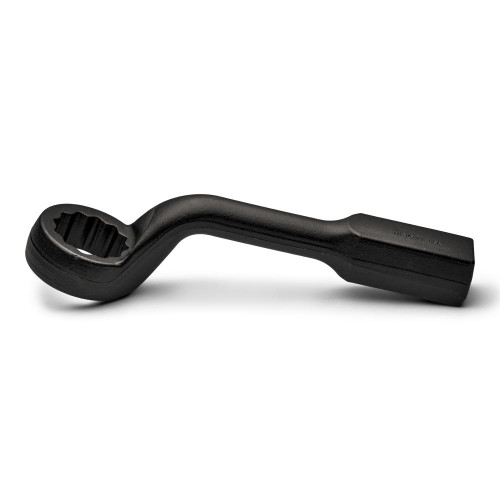
Wright Tool
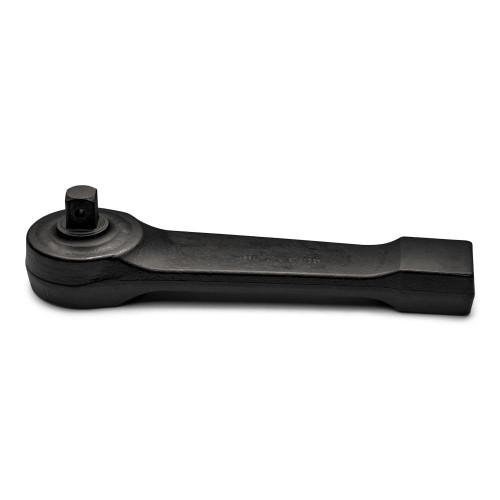
Wright Tool Striking Face Box Wrench 12 Point 45⁰ Offset Handle Heavy Duty Black Industrial
Choose options for price
-
-
Wright Tool
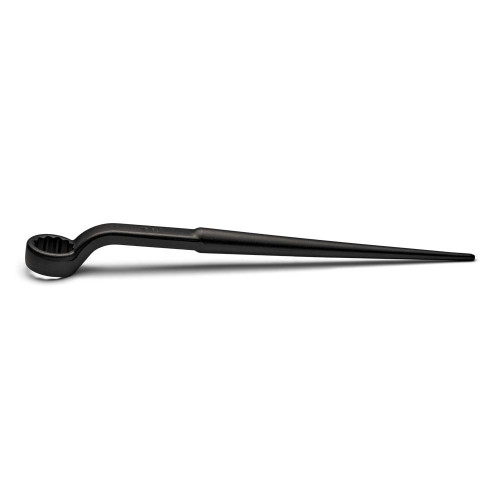
Wright Tool Structural Spud Wrench 12 Point Box End w/Offset Head Black Industrial
Choose options for price
-
-
-
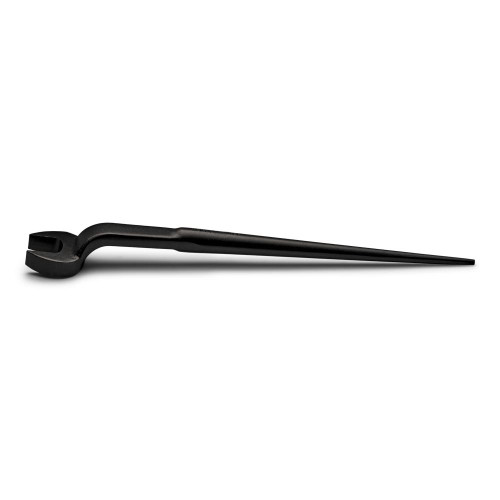
Wright Tool
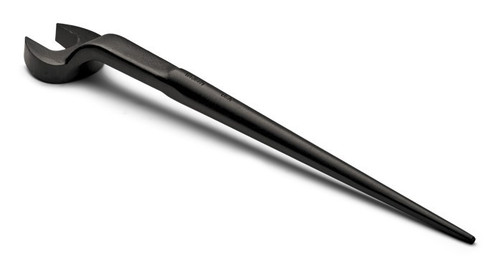
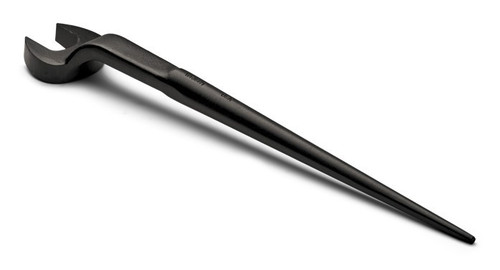
Wright Tool Structural Spud Wrench Open End w/Offset Head Black Industrial
Choose options for price
-

-
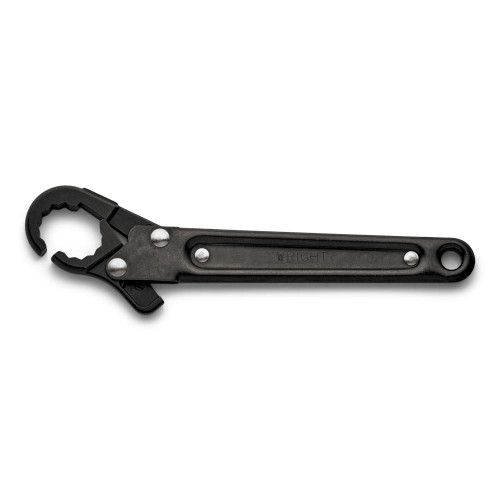
Wright Tool
Wright Tool Ratcheting Flare Nut Wrench 12 Point Black Industrial (Imperial)
Choose options for price
-
-
-
-
-
Wrenches
Pick the wrench by the fastener and the space around it. A bolt you can see and reach is one job, and a line nut tucked behind a bracket is another. At BRAIGG, our wrenches come from Wright Tool, made in Barberton, Ohio. For everyday work, start with a combination wrench or speed things up with a ratcheting wrench. Heavy jobs call for striking and slugging or structural tools. For odd sizes and pipe, go to adjustable and pipe. Need a spec? Head to torque wrenches. The guide below the subcategories walks through every type we stock.
- Oil Filter Wrenches
-
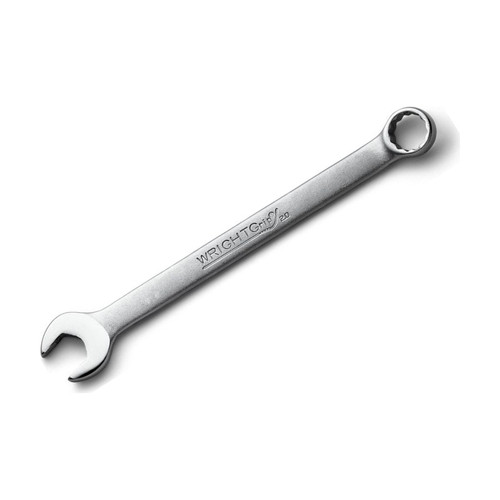 Combination Wrenches
-
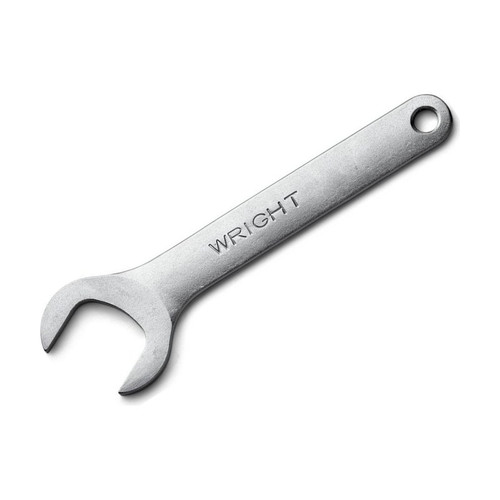 Open End Wrenches
-
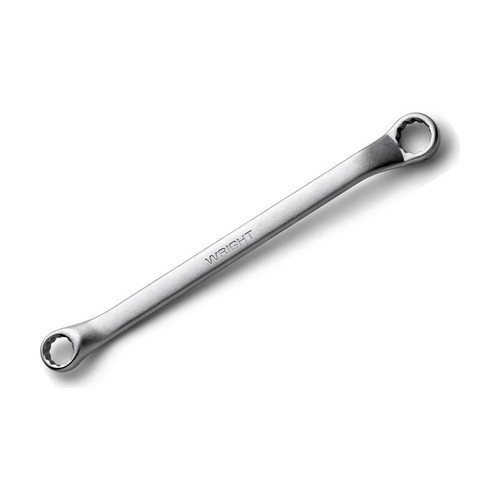 Box End Wrenches
-
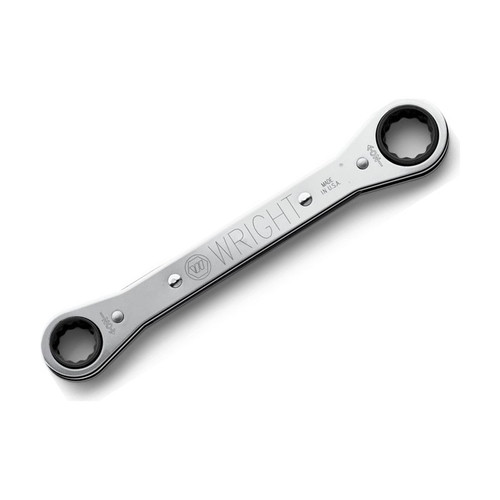 Ratcheting Wrenches
-
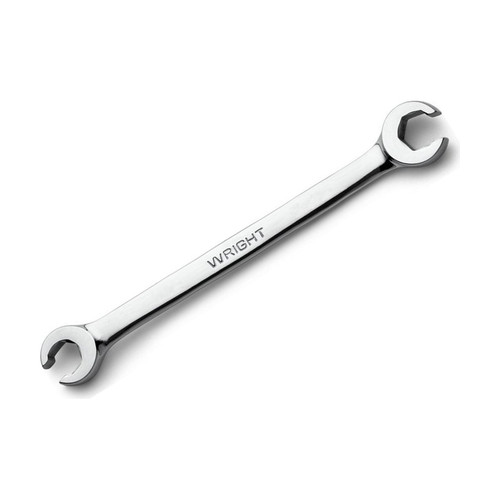 Flare Nut Wrenches
-
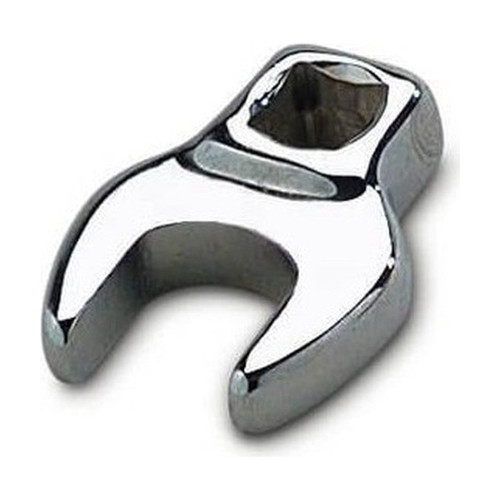 Crowfoot Wrenches
-
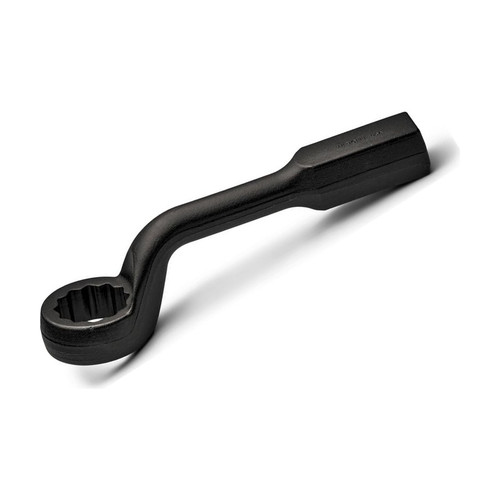 Striking & Slugging Wrenches
-
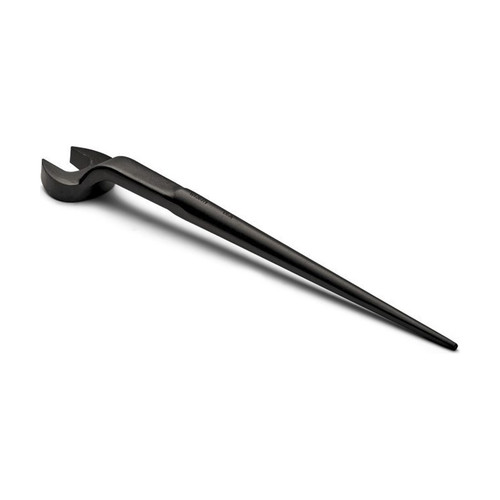 Structural Wrenches
-
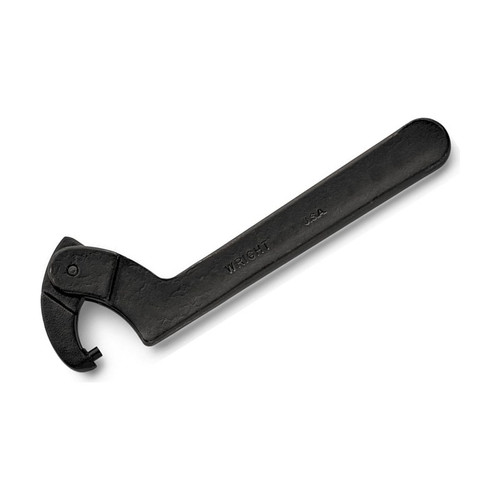 Spanner Wrenches
-
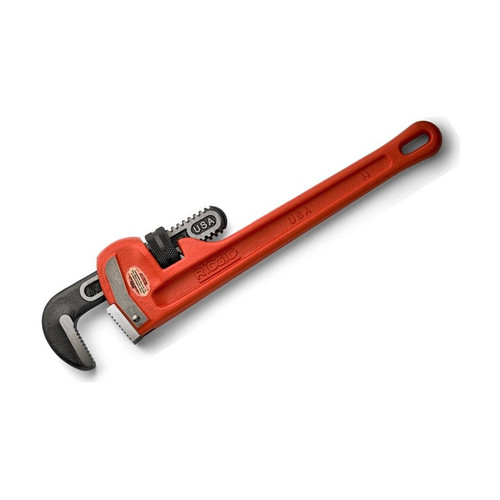 Adjustable & Pipe Wrenches
-
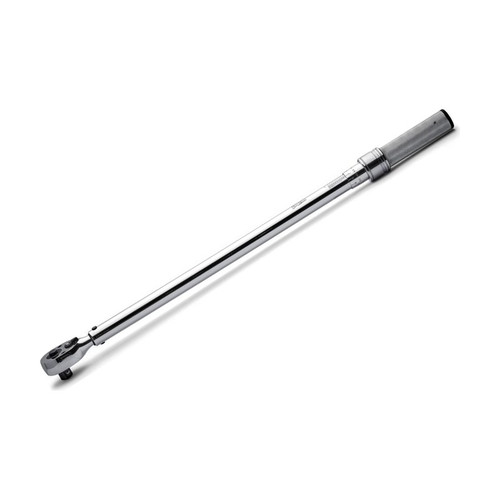 Torque Wrenches & Multipliers
-
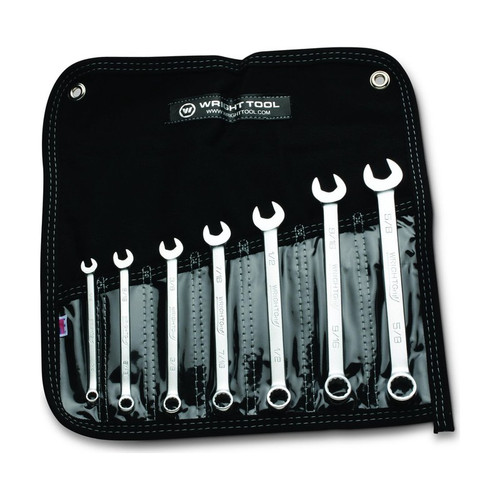 Wrench Sets
How to choose the right wrench
Ask three questions. How much room is there around the fastener? Is it a hex nut, a tube nut, a round collar or pipe? And how much force will it take? A 12 point box end is the safest grip on a hex. An open end is quicker and slides on from the side. A ratchet mechanism saves time in tight spots. Everything else on this page is a variation for a specific job.
Everyday hand wrench types
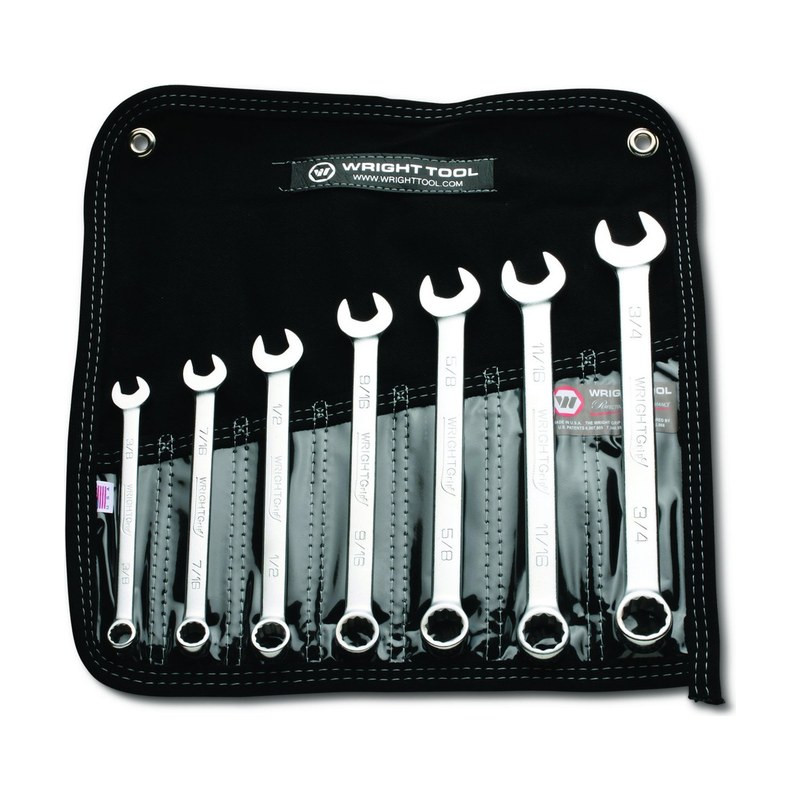
- Combination: an open end and a 12 point box end of the same size. Wright's WRIGHTGRIP 2.0 open end has small protrusions that grip the flats. SAE from 1/4 inch and metric from 6mm, in 8 product lines.
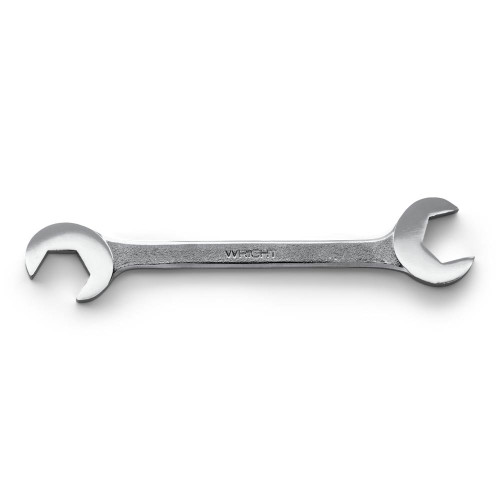
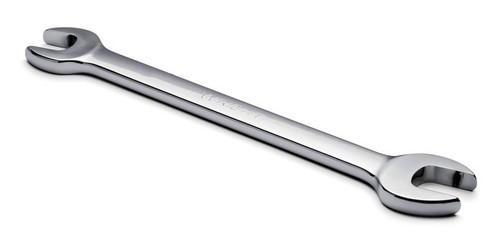
- Open end: a different size on each end, quick to slide on, and the go-to backup wrench for holding a bolt head. 5 lines.
- Box end: closed on both ends for maximum grip, often offset to clear your knuckles. 2 lines.
- Ratcheting: double box, reverse ratcheting offset and ratcheting flare nut heads, plus A/C service wrenches with square ends. 9 lines.
Wrenches for lines and tight spots
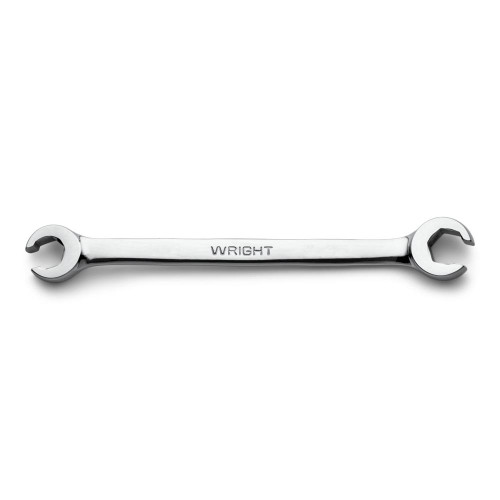
Brake, fuel and hydraulic line nuts are soft and easy to round with an open end. A flare nut wrench has a slotted box head that slips over the tube and grips more of the nut (4 lines). A crowfoot wrench is an open end or flare nut head with a square drive hole, so it fits a ratchet or extension. It gets onto line nuts and fasteners where a socket won't, and it works with a torque wrench if you correct for the added length (3 lines).
Heavy industrial and construction tools
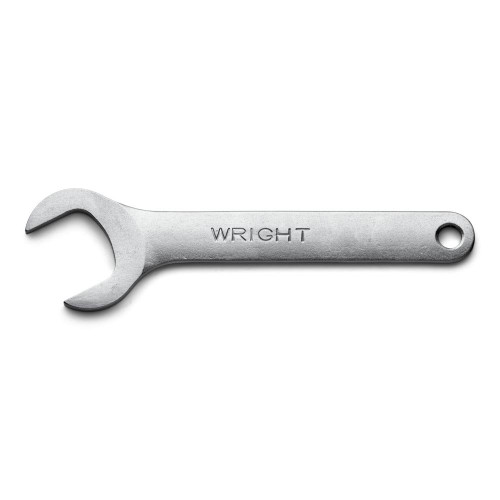
A striking or slugging wrench is made to be hit with a hammer, for big nuts on flanges and heavy equipment (9 lines). A spud wrench has a tapered pin on the handle for aligning bolt holes in steel. The structural lines run open end and box end spuds plus a 1/2 drive ratchet spud handle (5 lines). A spanner wrench turns round slotted or drilled nuts on bearings, cylinders and shocks, in hook, pin and face styles (3 lines).
Adjustable, pipe and torque
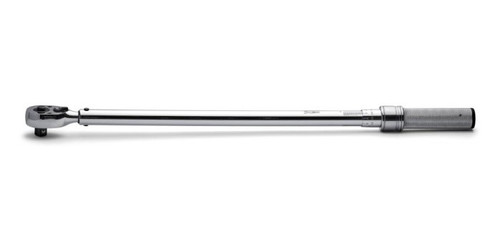
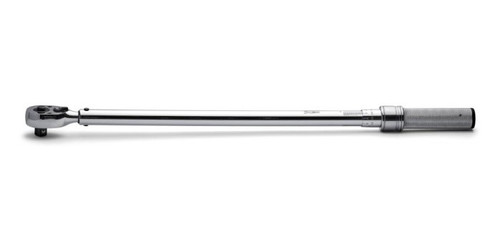
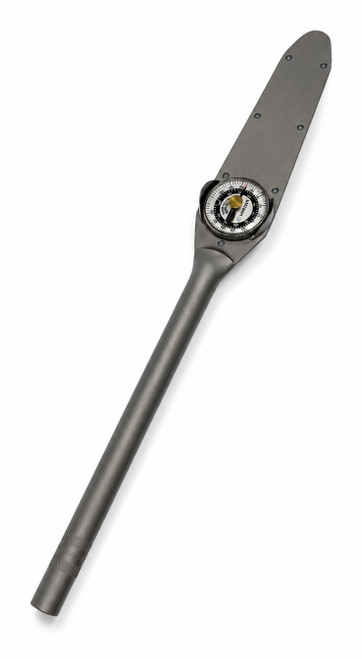
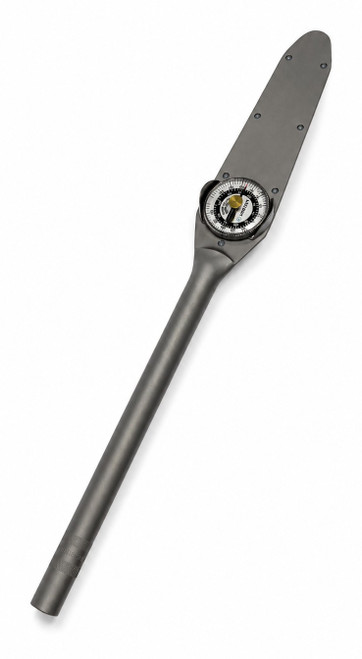
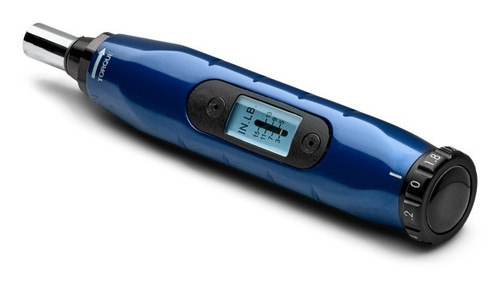
The adjustable and pipe category is the largest here, with 44 products. It covers adjustables from a 4 inch pocket size to a 36 inch giant, plus steel and aluminum pipe models from 6 to 48 inch. The torque category, also 44 products, has click and dial models with a Wright calibration certificate, plus geared multipliers. Our guide on how to use a torque wrench covers setting and using them.
Singles or a wrench set
A wrench set gets you a matched run of sizes for less hassle than ordering singles. Browse wrench sets (44 products) for combination, ratcheting and other styles in one box. Buy singles to replace lost sizes or for one big nut on one machine. Not sure what something is called? Our article on the types of wrenches explains each one in plain terms. Most jobs also need a socket or two, so see sockets and ratchets as well.
Frequently asked questions
What wrenches should every toolbox have?
A run of combination wrenches in the sizes you use most, SAE, metric or both, plus an 8 or 10 inch adjustable. Add ratcheting wrenches for tight spots and flare nut wrenches if you work on brake or fuel lines. A torque wrench is next if you're tightening anything to a spec.
What is the difference between 6 point and 12 point wrenches?
A 6 point box grips the flats farther from the corners, so it's the safer choice on rusted or rounded nuts. A 12 point box can be repositioned every 30 degrees instead of 60, which helps in tight spaces. Most Wright combination wrenches use a 12 point box end.
Where are Wright Tool wrenches made?
Wright Tool makes its wrenches, ratchets and sockets in Barberton, Ohio, using U.S. steel, according to the company. Wright was founded in Barberton in 1927.
Do you sell metric wrenches?
Yes. Wright combination wrenches come in metric from 6mm up to 95mm, and the ratcheting lines include metric double box and offset reverse ratcheting wrenches from 7 x 8mm to 19 x 21mm. Many other subcategories offer metric options too. Check each product for its size list.
Can I hammer on a regular wrench?
No. Combination, open end and box end wrenches aren't built for hammer blows and can crack or chip, which is a real eye hazard. If a nut needs shock to break loose, use a striking or slugging wrench made for it, and wear safety glasses.