
-
-
-
-
Wright Tool
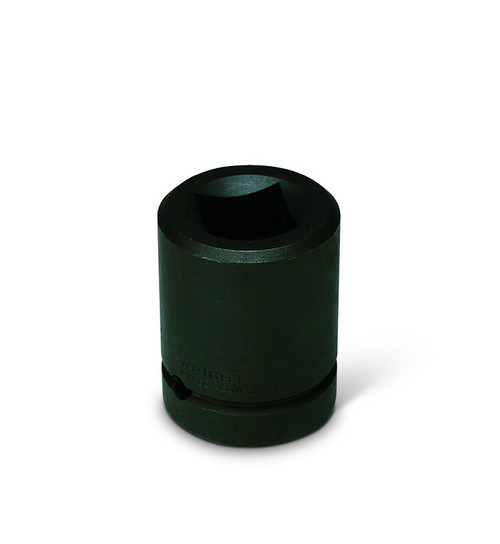
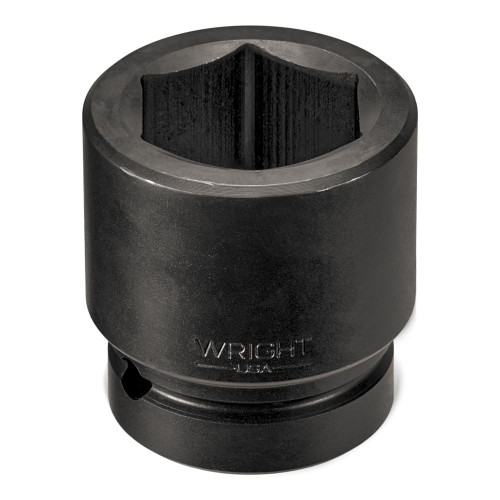
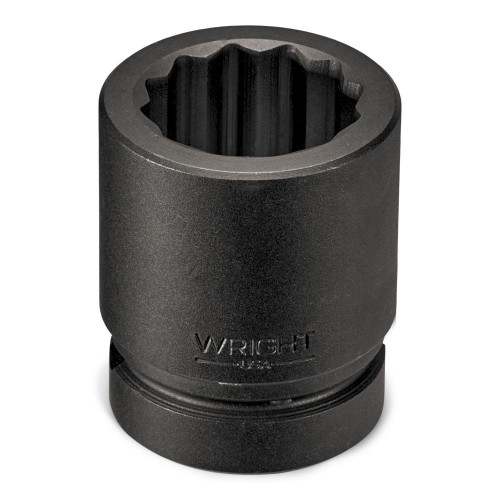
Wright Tool 3/4" Drive Square Standard Metric Budd Wheel Impact Socket
Choose options for price
-
-
-
-
Wright Tool
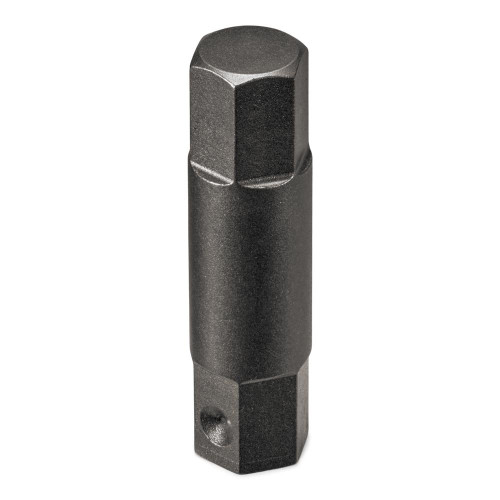
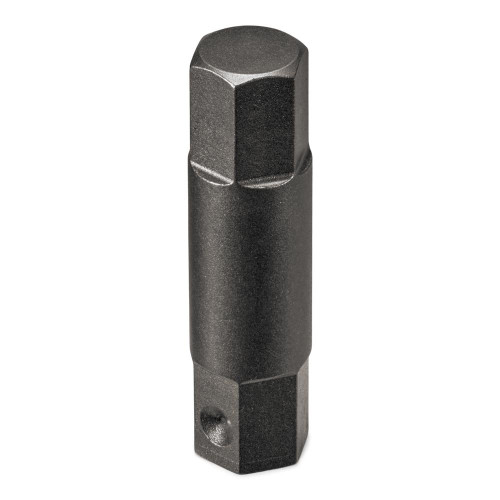
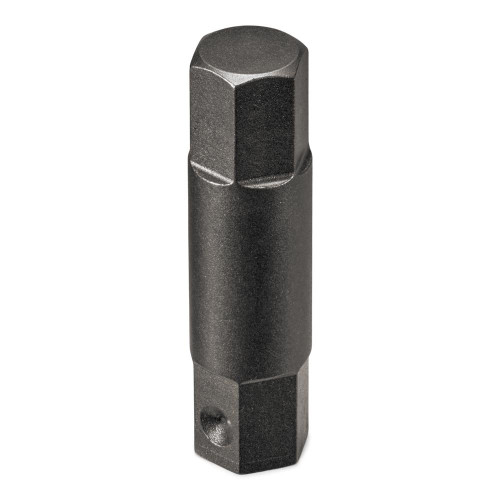
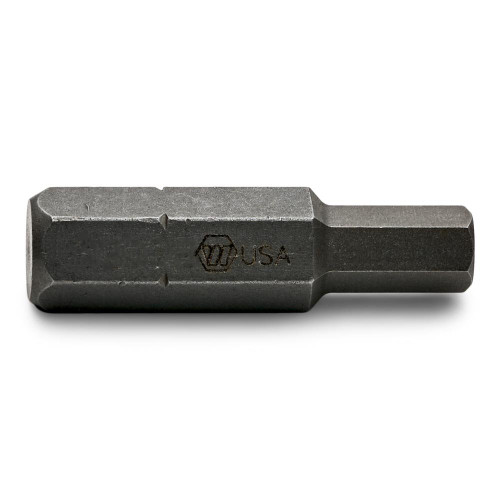
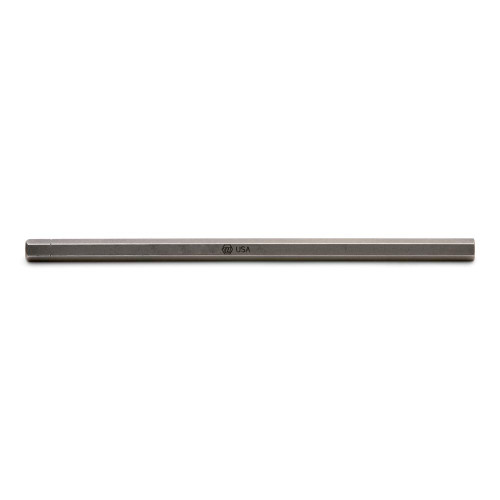
Wright Tool 3/4" Drive Standard Metric Impact Hex Bit Replacement
Choose options for price
-
-
Wright Tool
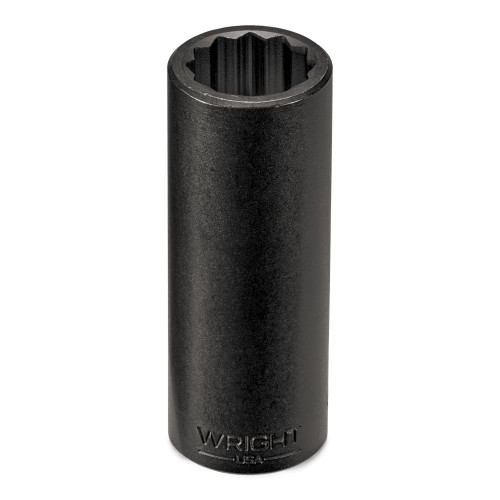
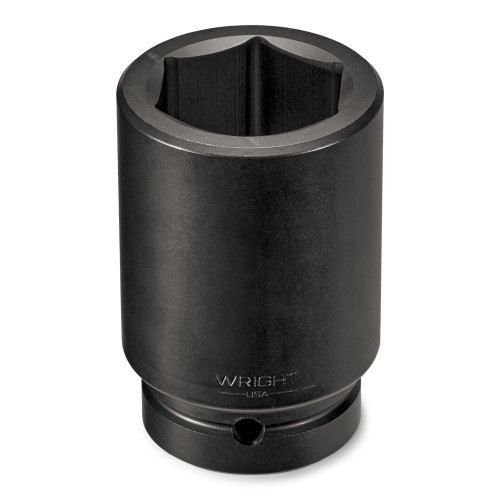
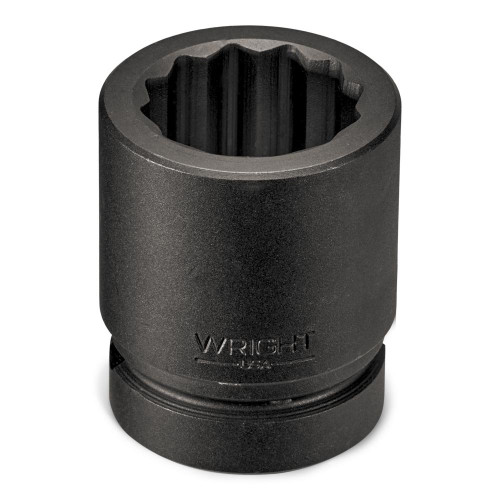
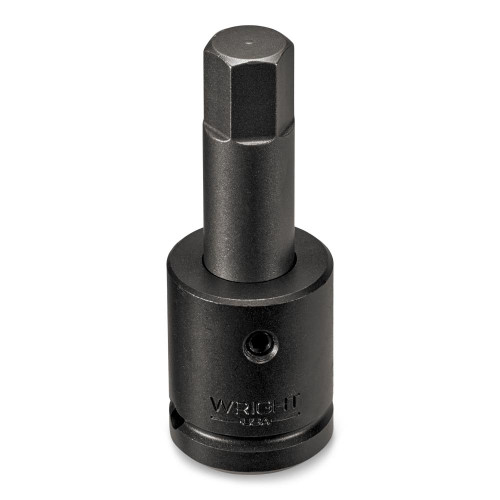
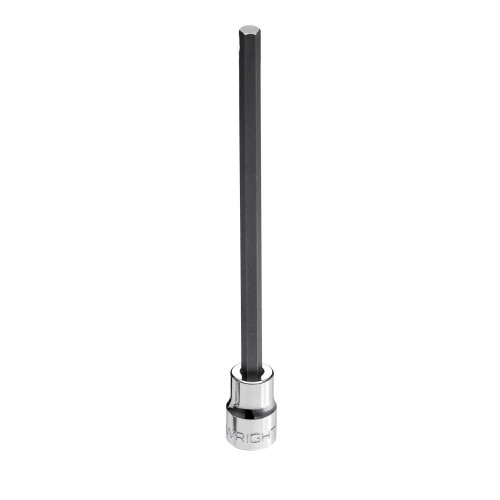
Wright Tool 3/4" Drive Hex Bit Metric Impact Socket w/Standard Hex Bit
Choose options for price
-
-
-
-
-
-
-
-
-
-
Sockets & Ratchets
Sockets and ratchets do most of the turning in any shop, from a 1/4 drive trim screw to a 1 inch drive wheel nut on a haul truck. At BRAIGG, shop Wright Tool alongside Grey Pneumatic impact sockets and accessories. If you know the drive size and fastener, go straight to hand or impact sockets. If you're building a kit from scratch, check the included sizes in a socket set. For the handles that turn them, see ratchets, breaker bars and extensions.
-
 Hand Sockets
-
 Impact Sockets
-
 Universal & Flex Sockets
-
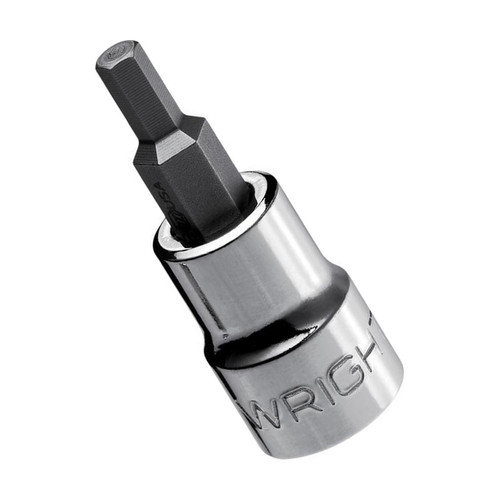 Bit Sockets
-
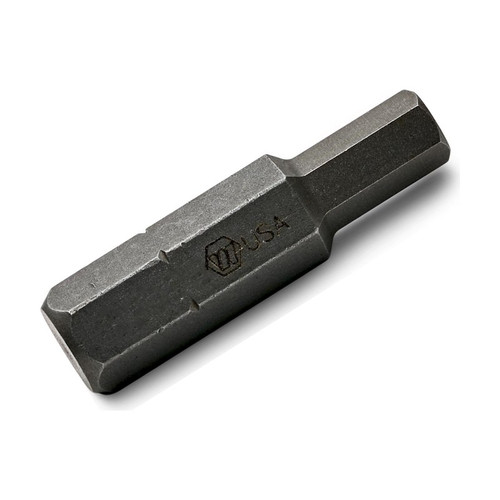 Replacement Bits
-
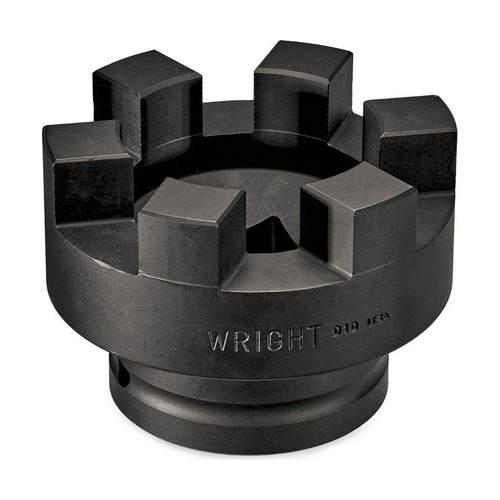 Specialty Sockets
-
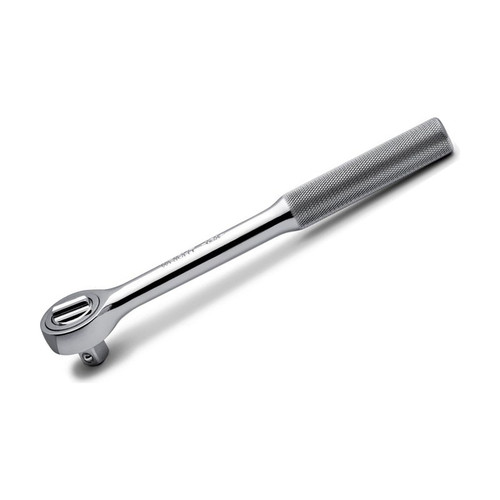 Ratchets
-
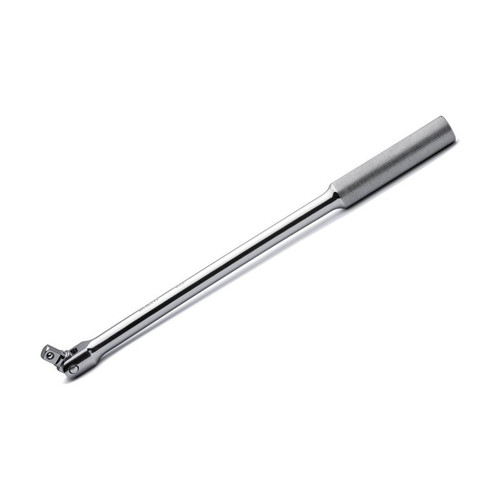 Breaker Bars & Handles
-
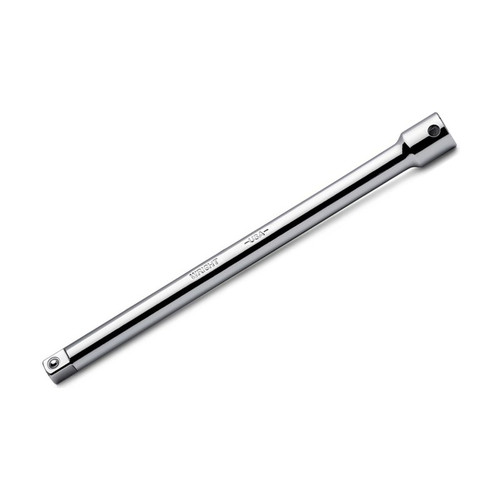 Extensions
-
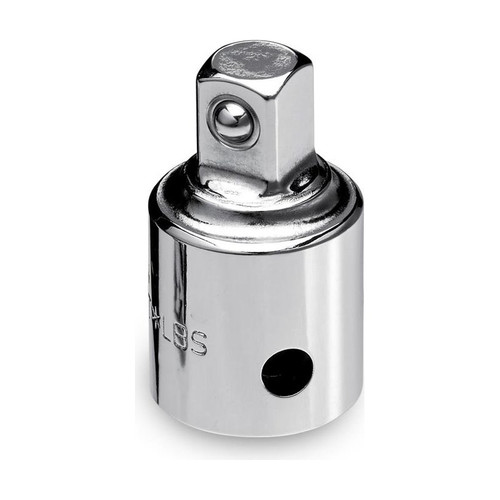 Adapters & Universal Joints
-
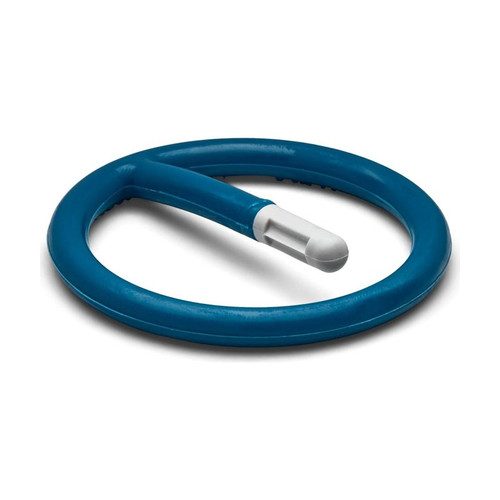 Socket Accessories
-
 Socket Sets
How to shop for sockets and ratchets
Two questions sort out almost everything here. What drive size do you work in, and will the socket go on a hand tool or an impact gun? Wright hand sockets and ratchets come in 1/4, 3/8, 1/2, 3/4 and 1 inch drive. Impact sockets cover those sizes too and go further, up to 1-1/2, 2-1/2 and 3-1/2 inch drive plus #5 spline for big industrial guns. Most automotive work happens in 3/8 and 1/2 drive. Truck, farm and plant work moves up to 3/4 and 1 inch.
Choosing sockets: hand, impact and specialty
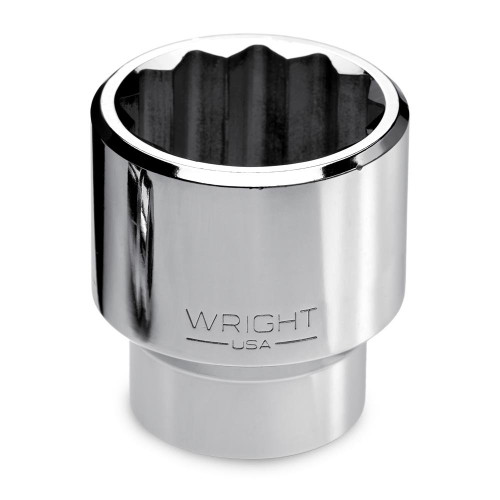
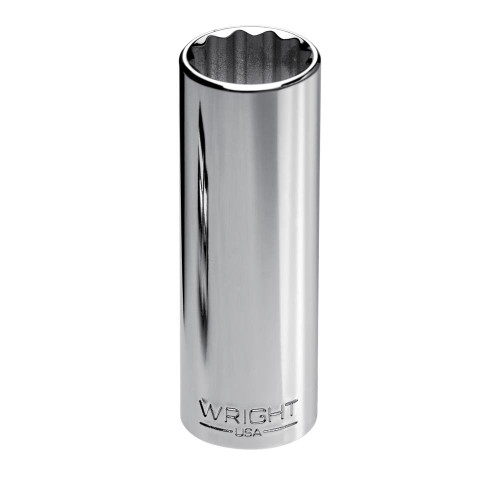
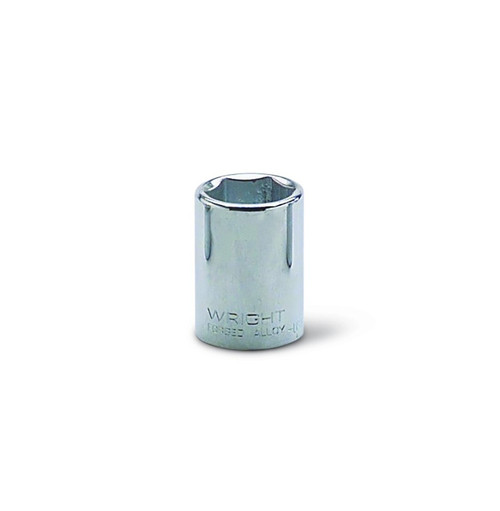
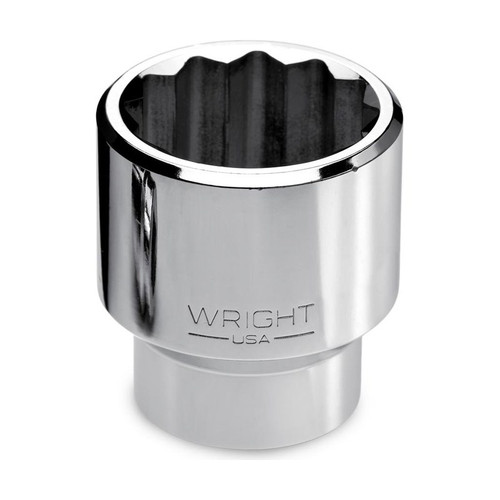
Hand sockets are the chrome sockets you turn with a ratchet or breaker bar. Wright makes them in 6 point, 12 point and 8 point, standard and deep, SAE and metric. There's also a black industrial finish line in 1/2 drive. A 6 point socket grips the flats of the nut and is the safer choice on anything tight or rusty.
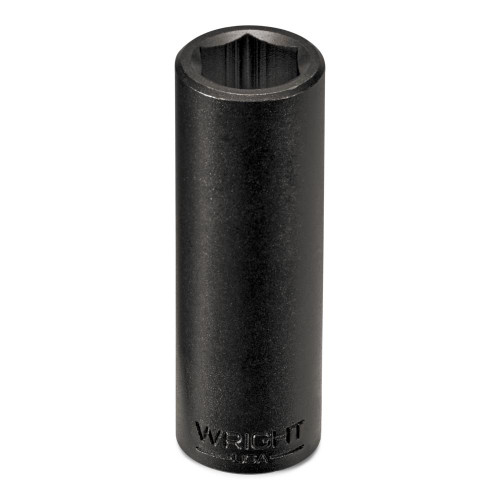
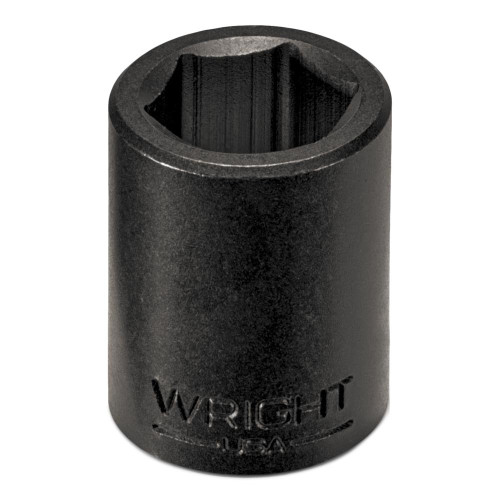
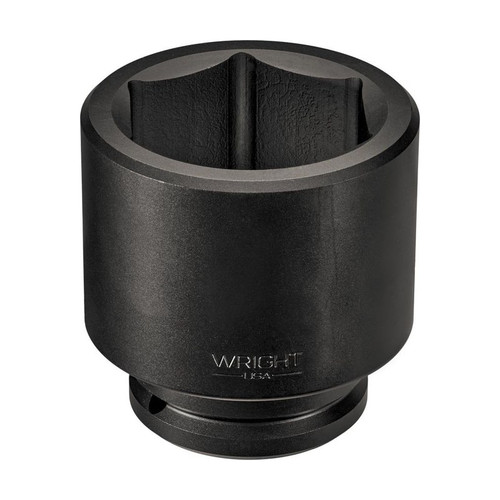
Impact sockets are for air and cordless impact wrenches. They are made to take the hammering, and most of them are 6 point. Don't put a chrome hand socket on an impact gun. Our guide to impact sockets vs regular sockets explains why.
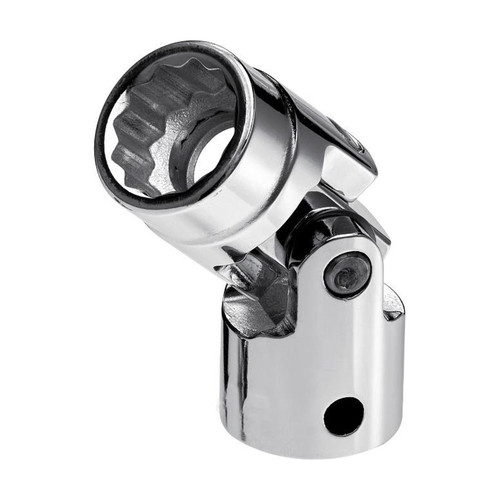
For tight angles, universal and flex sockets have a built-in swivel. Wright's universal power sockets are 3/8 drive 6 point in SAE and metric, standard and deep, and the 12 point flex sockets come in 1/4 and 3/8 drive. Bit sockets hold a hex or Torx bit for socket head cap screws and drive in 1/4 through 1 inch, with impact versions in 3/8 and 1/2 drive. When a bit wears or snaps, replacement bits let you keep the holder. Specialty sockets cover spark plug, Budd wheel and castellated jobs.
Ratchets, breaker bars and handles
Most people buy sockets and ratchets together, so make sure the drive sizes match.
Wright ratchets run from 1/4 to 1 inch drive. You'll find fixed head and flex head models, knurled, contour and nitrile comfort grips, a 3/8 drive compact palm ratchet, a lineman's ratchet, and renewal kits to rebuild a worn mechanism. A 3/8 drive ratchet around 7 to 10 inches long is the one most people use daily.
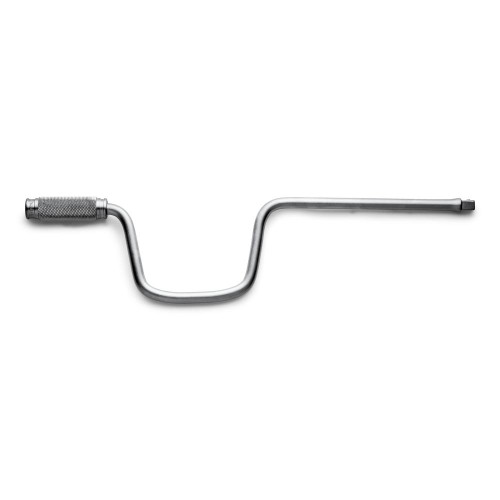
Don't use a ratchet to break loose a seized bolt. That's what breaker bars and handles are for: solid flex handles, locking bull bars, sliding T handles and speeders.
Socket extension, socket adapter and accessories
A socket extension gets the ratchet away from the engine, frame or flange you're reaching past. Wright extensions include standard lengths, 16 degree wobble extensions in 3/8 drive, a 34 inch 3/8 drive extra long extension, and impact extensions with pin or ball lock. Use the shortest one that clears, since every inch adds flex.
A socket adapter changes drive size, like 3/8 female to 1/2 male. Under adapters and universal joints you'll find standard and impact adapters, locking adapters with a set screw, and universal joints. An adapter doesn't make a 3/8 drive ratchet any stronger, so don't load it like a 1/2 drive tool. Socket accessories are the small parts big impact sockets need, mainly O rings, retainer pins and retaining rings for 3/4 drive and up.
When a socket set makes more sense
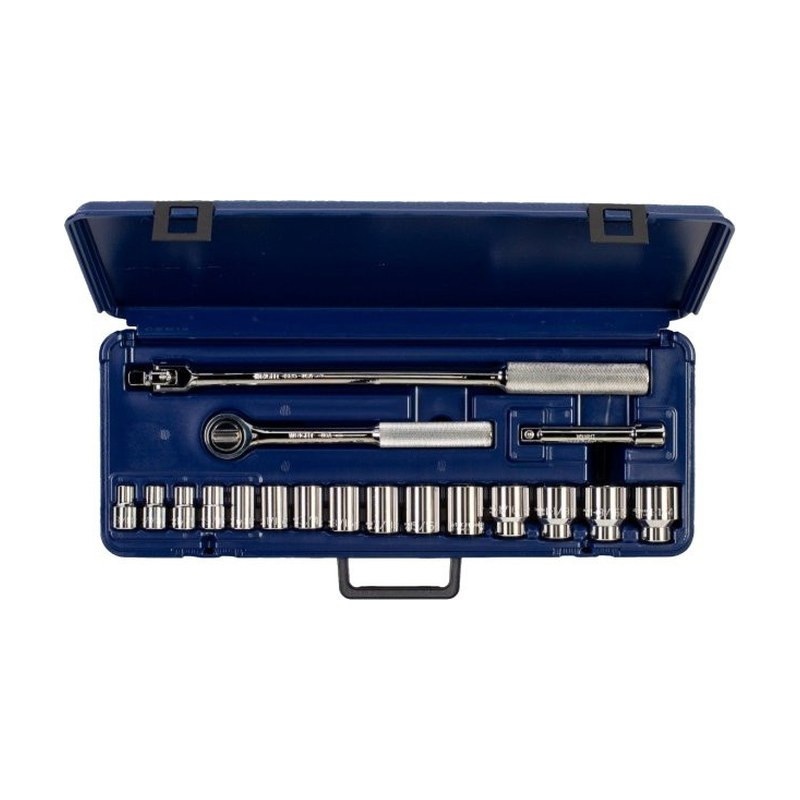
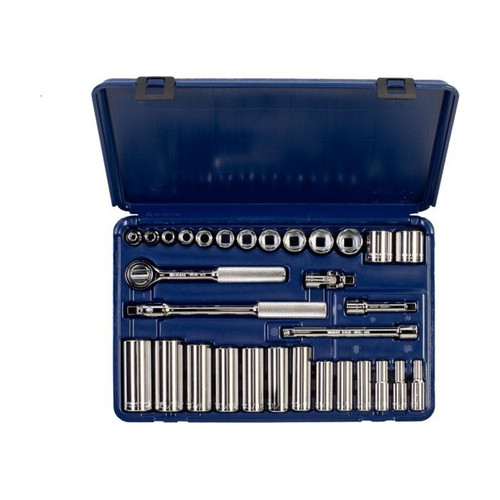
If you're buying more than five or six loose sockets in one drive, compare the cost of a socket set. Wright socket sets run from small 1/4 drive kits to master sets of several hundred pieces across four drive sizes. Many include the ratchet, extensions and a flex handle in a metal box or blow molded case. Pair the set with a few wrenches for the nuts a socket can't reach. If you work in both SAE and metric, our socket size chart lines them up side by side.
Frequently asked questions
What drive size sockets and ratchets should I buy first?
Start with 3/8 drive. It covers most automotive and household fasteners and keeps the tools compact. Add 1/2 drive next for lug nuts, suspension and other high torque work. A 1/4 drive set is handy for small fasteners in tight spots, and 3/4 or 1 inch drive is for heavy trucks and equipment.
Do I need SAE or metric sockets?
Most cars built in the last few decades use metric fasteners. Older domestic vehicles, a lot of farm equipment and plenty of industrial machinery still use SAE. If you work on a mix, keep both. Don't force a close size from the other system, because a near fit can round off a tight nut.
Can I use regular sockets on an impact wrench?
No. Chrome hand sockets are hard and can crack under the repeated blows of an impact gun. Impact sockets are made to absorb that hammering and have a black finish. Use impact sockets, impact extensions and impact adapters with any air or cordless impact wrench.
Is a socket set better than buying sockets one at a time?
For a new kit, a socket set can cover several sizes at once. Some sets include a ratchet and extensions in a case; others contain sockets only. Loose sockets make sense when you're filling a gap, replacing a lost size, or need a deep or specialty socket a set doesn't include.
What is the difference between 6 point and 12 point sockets?
A 6 point socket grips the flats of a hex fastener and is less likely to round off a tight or rusted nut. A 12 point socket has twice as many engagement positions, so it's easier to fit in tight spots where the ratchet swing is short. For impact work and stuck fasteners, use 6 point.