
Torque Wrenches & Multipliers
A torque wrench tells you a fastener is tight enough, and not too tight. At BRAIGG, this category covers click, dial and multiplier tools from Wright Tool, from small torque screwdrivers set in inch-ounces up to 1 inch drive wrenches rated for 2,000 ft-lb. Each Wright micro-adjustable click wrench ships with its own certificate of calibration. If you're not sure which size you need, the buying guide below the products will help, and our step-by-step guide covers how to use a torque wrench correctly.
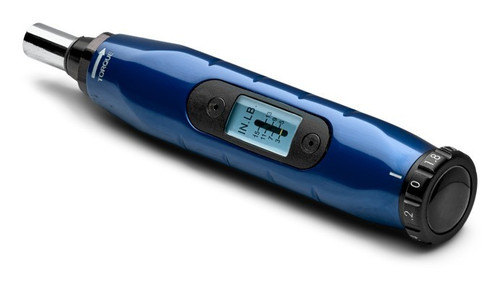
How to choose a torque wrench
Pick the drive size and range from the specs you work to most often, not the biggest number you might see once a year. Wright rates its micro-adjustable click wrenches for accuracy between 20% and 100% of scale. That makes a 250 ft-lb wrench the wrong tool for a 20 ft-lb valve cover bolt, and it's why many shops keep two or three wrenches with overlapping ranges.
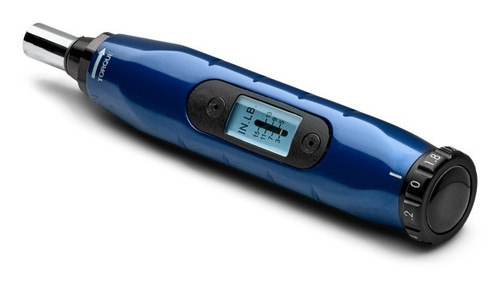
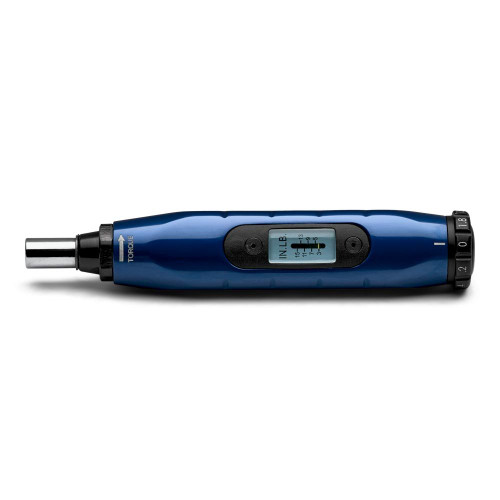
- 1/4 inch drive: choose an inch pound torque wrench when the service specification calls for in-lb. Good for sensor bolts, trim, small engines and anything easy to strip.
- 3/8 torque wrench: the everyday size for intake, valve cover, water pump and many caliper bolts. Wright's 3447 reads 15 to 75 ft-lb and its 3477 reads 20 to 100 ft-lb. For inch-pound settings, the 3478 reads 40 to 200 in-lb and the 3479 reads 200 to 1,000 in-lb.
- 1/2 inch torque wrench: lug nuts, suspension, axle nuts and caliper brackets. Wright's 1/2 inch drive click models include the 4477 at 30 to 150 ft-lb and the 4478 at 50 to 250 ft-lb.
- 3/4 and 1 inch drive: heavy truck wheels, earthmoving equipment, structural steel and large flange bolts. The 1 inch drive 8449 reaches 2,000 ft-lb.
For a specific range, the Wright 4478 covers 50 to 250 ft-lb in 1/2 inch drive. The Wright 6448 steps up to 3/4 inch drive and 120 to 600 ft-lb. Match the required torque and socket drive before choosing between them.
Click vs dial torque wrench
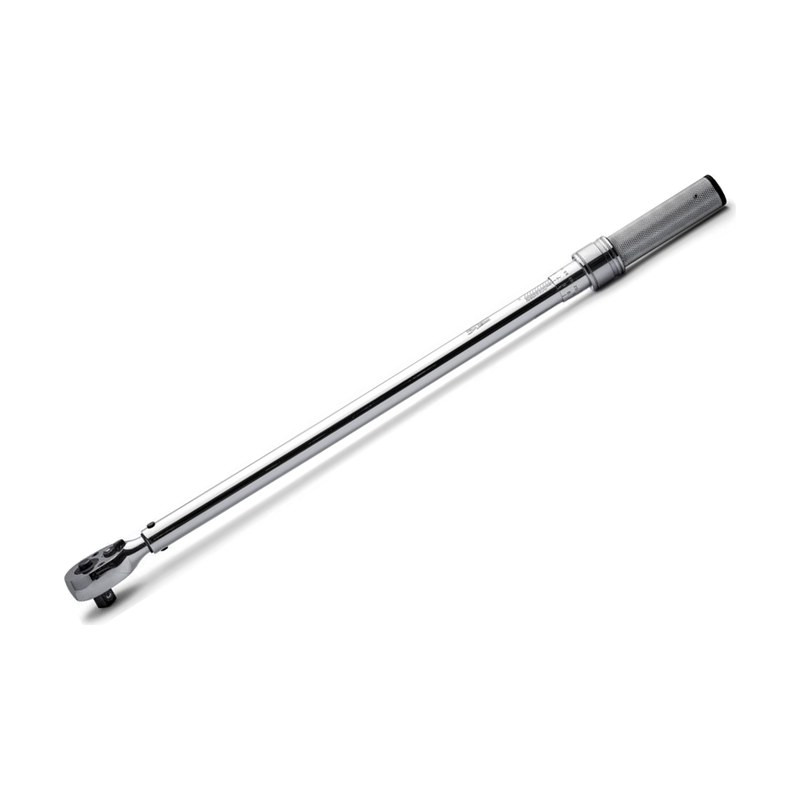
The click torque wrench is the shop standard. You set the value by turning the handle, and when you reach it the head breaks over with a click you can feel and hear. You can work quickly and keep your eyes on the job. Wright's micro-adjustable click wrenches lock with a spring-loaded pull-down ring, and most have a 24 tooth ratchet head. The main scale reads in ft-lb or in-lb with newton-meters alongside. Wright rates them at plus or minus 4% clockwise and 6% counterclockwise from 20% to 100% of scale.
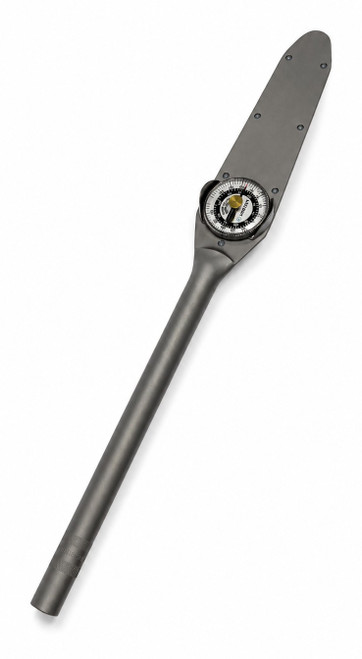
A dial torque wrench shows the torque on a gauge while you pull. A follower needle stays at the peak reading, so you can see exactly what was applied after the pull is done. That record makes dial wrenches a common choice for inspection and quality control work. Check the individual dial model's stated accuracy and working range before choosing it for a procedure.
When you need a torque multiplier
A torque multiplier is a geared tool that turns a manageable pull into a very large output. One person can tighten or break loose fasteners that would otherwise need a cheater bar several feet long. You drive the input side with a hand wrench or ratchet, and a reaction arm or plate braces against something solid to take the counterforce. Expect to see them on mining and earthmoving equipment, large pumps, pipe flanges and heavy truck wheels. We also stock replacement output squares for Wright multipliers, so a sheared square doesn't put the whole tool out of service.
Care and calibration
A torque wrench is a measuring instrument, so treat it like one. Turn a click wrench down to the lowest mark on its scale before you put it away, so the spring isn't left under load. Never use it to break a seized bolt loose. Grab a breaker bar or flex handle for that and save the torque wrench for the final pull. Wright recommends recalibration every six months or 5,000 uses, whichever comes first. Have it checked sooner if it gets dropped or overloaded. When the internals wear, Wright renewal kits for its click wrenches are listed right here in this category.
Wright warranty coverage
Wright torque wrenches carry a separate one-year limited warranty against defects in materials or workmanship from the purchase date. They are not covered by the lifetime warranty. Repair or replacement is through an authorized repair facility. Contact Wright or its distributor about a claim.
Sockets and extensions for torque work
Use a socket that fits the fastener snugly. A worn socket can slip right at the moment you reach torque. Standard length 6 point hand sockets suit most jobs. Straight socket extensions don't change the reading, as long as you support the wrench head and pull square to the handle. Wright does not recommend adapters. Choose a matching drive rather than adding a reducer or increasing the wrench's effective length with an offset attachment.
Frequently asked questions
What size torque wrench do I need for lug nuts?
Most cars call for somewhere around 75 to 100 ft-lb on the lug nuts, and many half-ton pickups list 140 to 150 ft-lb. Always go by the number in the owner's or service manual. A 1/2 inch drive click wrench that reads up to 150 or 250 ft-lb covers almost every car and light truck.
Is a click or dial torque wrench more accurate?
Both types can be accurate within their stated working range. Wright rates its micro-adjustable click wrenches at plus or minus 4% clockwise and 6% counterclockwise from 20% to 100% of scale. Check the selected dial model's specifications separately. Choose a click wrench for a signal at the setting and a dial wrench to watch the applied torque.
How often should a torque wrench be calibrated?
Wright recommends recalibrating its torque wrenches every six months or 5,000 uses, whichever comes first. A drop or overload is a reason to have the tool checked sooner. Shops working to a quality system may require a shorter interval, so follow that procedure as well.
Can I use a torque wrench to loosen bolts?
No. Breaking a tight or rusted fastener loose can overload the mechanism and throw off the calibration. Use a breaker bar, flex handle or ratchet to loosen, then use the torque wrench only for the final tightening pull to spec.
Do Wright torque wrenches come calibrated?
Wright's micro-adjustable click torque wrenches come with their own serial number and a certificate of calibration traceable to NIST. Wright states that they meet or exceed ASME B107.300. For other wrench types, check the individual listing for the calibration documentation supplied with that model.
What is the difference between ft-lb and in-lb?
Both measure torque. One foot-pound equals 12 inch-pounds, so 25 ft-lb is the same as 300 in-lb. Small fasteners are usually specified in inch-pounds, and wrenches for that work are scaled in in-lb so you can set them more precisely.