
-

Grey Pneumatic
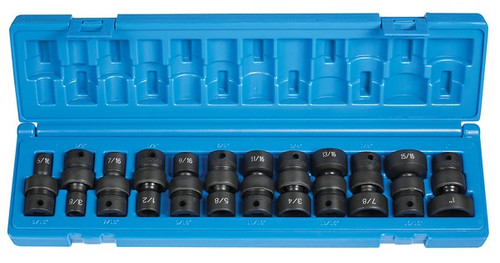
Grey Pneumatic 1212USD 3/8" Drive 12-Piece Semi-Deep SAE Universal Impact Socket Set
$207.37 -

-
-

-
Grey Pneumatic
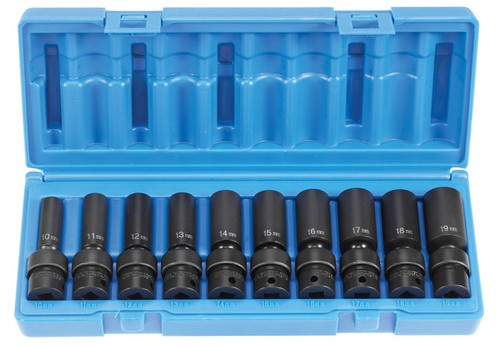
Grey Pneumatic 1210UMD 3/8" Drive 10-Piece Deep Universal Metric Impact Socket Set
$174.10 -
-

Grey Pneumatic
Grey Pneumatic 3/8" Drive 12-Point Standard Universal Impact Sockets, SAE & Metric
Choose options for price
-
Grey Pneumatic
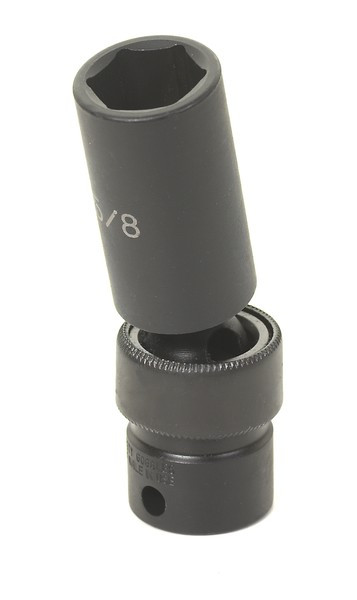
Grey Pneumatic 3/8" Drive 6-Point Deep Universal Impact Sockets, SAE & Metric
Choose options for price
-
Grey Pneumatic
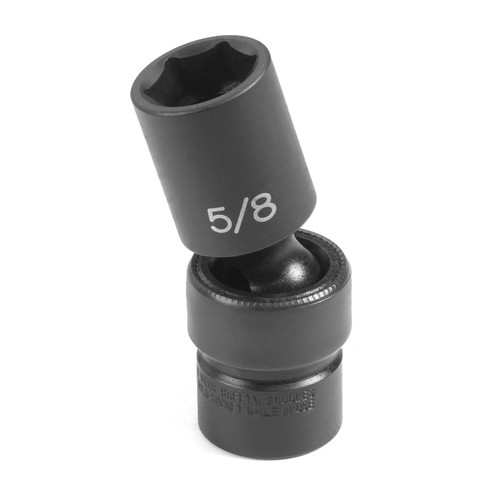
Grey Pneumatic 3/8" Drive 6-Point Semi-Deep Universal Impact Sockets, SAE & Metric
Choose options for price
-

Grey Pneumatic
Grey Pneumatic 3/8" Drive 6-Point Standard Universal Impact Sockets, SAE & Metric
Choose options for price
-
Wright Tool
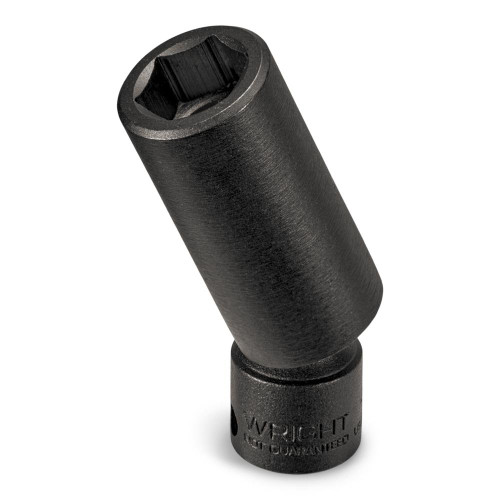
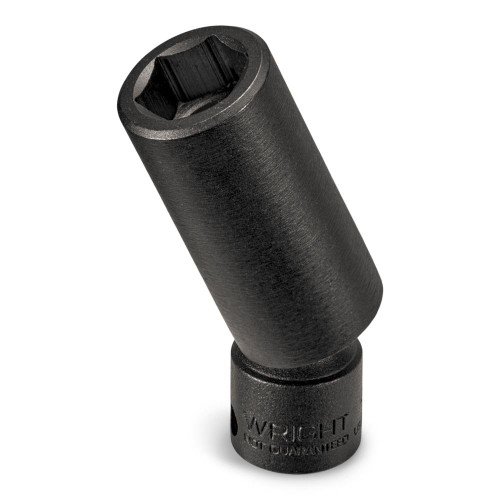
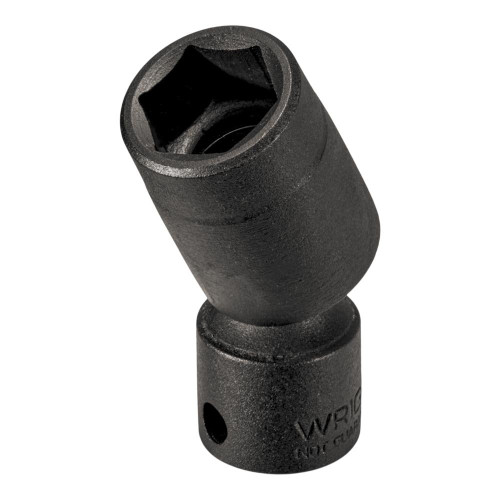
Wright Tool 3/8" Drive 6 Point Deep Metric Universal Power Socket
Choose options for price
-
-
-
-
-
-
Wright Tool
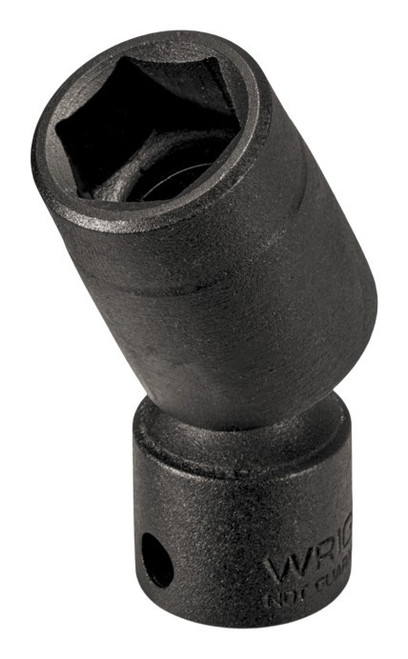
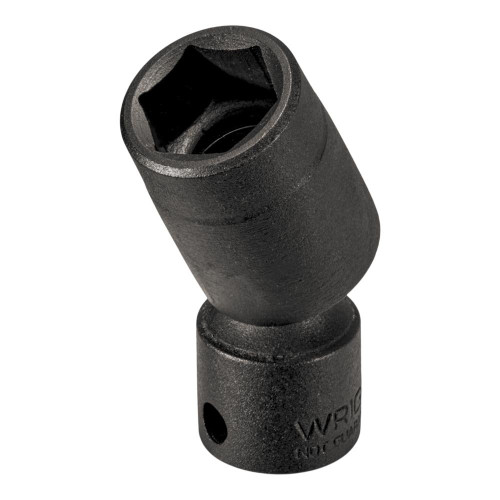
Wright Tool 3/8" Drive 6 Point Standard Metric Universal Power Socket
Choose options for price
Universal & Flex Sockets
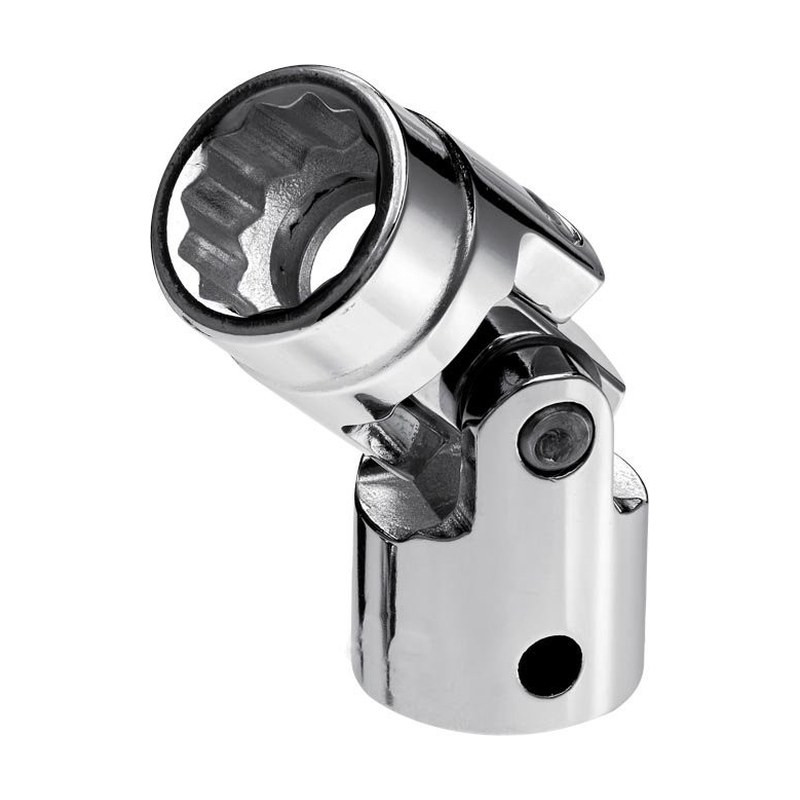
Universal sockets have a joint built into the socket itself, so they turn a fastener at an angle without a separate U-joint stacked on the end. At BRAIGG, this category carries Wright Tool 3/8 drive 6 point universal power sockets in standard and deep lengths, in both SAE and metric. Next to them are 12 point flex sockets in 1/4 and 3/8 drive. SAE sizes run from 3/8 to 3/4 inch and metric from 10mm to 19mm. The guide under the products explains how they differ.
Why universal sockets beat a socket and U-joint
You can build the same reach with a regular socket, a separate joint and an extension. The trouble is the stack. Every piece adds length and slop, and on a starter bolt tucked up against the block that extra inch is often the difference between fitting and not. A one-piece universal joint socket is shorter, has fewer places to wobble, and there's no loose joint to drop. If you already own a full set of standard sockets and only need an angle now and then, a separate joint from our adapters and universal joints page makes sense. If you hit the same awkward bolts every week, buy the one-piece size.
Wright universal power sockets we stock
Wright lists these as universal or swivel sockets, all 3/8 drive and 6 point:
- SAE standard depth: 3/8, 7/16, 1/2, 9/16, 5/8 and 11/16 inch, plus a 3/4 inch (3864).
- SAE deep: 3/8 through 3/4 inch.
- Metric standard depth: 10mm through 19mm.
- Metric deep: 10mm through 19mm.
The 6 point design grips the flats of the nut instead of the corners, which matters on a bolt you're already turning at an angle. Off-axis pulls are exactly when a 12 point can slip and round a hex. Deep versions clear a stud sticking out past the nut, such as exhaust studs or long U-bolt threads.
Flex sockets vs swivel sockets
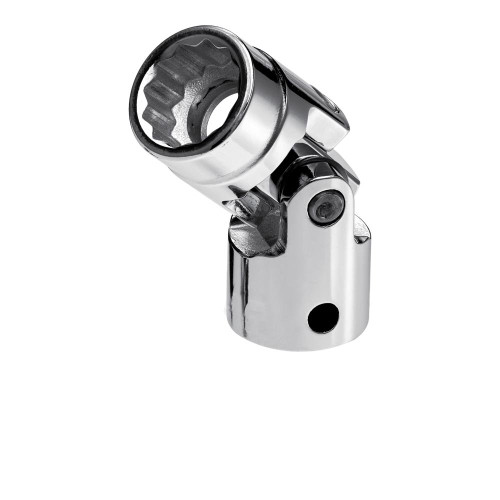
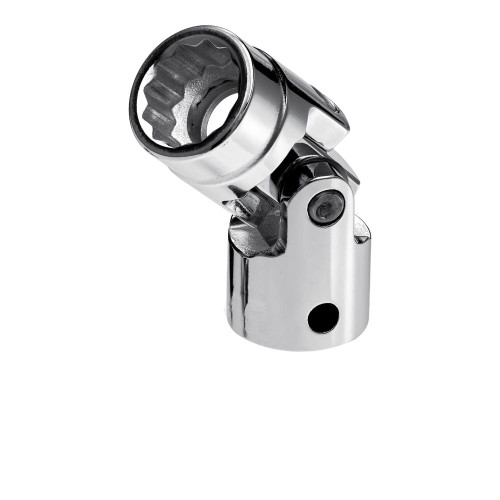
People use the names loosely, and that's fine at the counter. Swivel sockets and universal sockets usually mean a socket with a full joint that moves in any direction. A flex socket, as Wright builds them, is a 12 point socket with a hinged head. Wright makes them in 1/4 drive from 1/4 to 1/2 inch and in 3/8 drive from 3/8 to 3/4 inch. The 1/4 drive flex sizes suit small hex bolts on sensors, brackets and interior trim, where a full size ratchet won't swing.
A 12 point head lets you engage the fastener in more positions, so you need less handle swing to get a fresh bite. That's useful in a tight spot, but take it easy on a rusted or rounded fastener. For those, use a 6 point standard socket from our hand sockets range and come back with the flex once the bolt is moving.
Tips for using universal sockets
Keep the angle as shallow as you can. The steeper the joint, the more effort you lose and the more the head wants to fold over. Put your free hand on the joint for the first pull so it stays put. Once the bolt breaks loose, the angle matters less and you can spin it out quickly.
Pair them with a short 3/8 drive bar from our extensions when you need extra depth, and a compact ratchet for tight swing room. Not sure whether a bolt is 13mm or 1/2 inch? Our SAE to metric socket size chart shows the close matches. Keep the joint clean and give it a drop of light oil now and then so it moves freely instead of binding.
Frequently asked questions
What is the difference between a universal socket and a flex socket?
A universal socket has a full joint built in, so the head can swing in any direction. Wright's flex sockets are 12 point sockets with a hinged head. Both reach fasteners at an angle without a separate U-joint. Wright's universal versions are 6 point, while its flex sockets are 12 point.
Are universal sockets better than a separate U-joint?
For repeat jobs in tight spaces, usually yes. A one-piece universal socket is shorter and has less slop than a socket, a joint and an extension stacked together. A separate U-joint makes sense if you only need an angle once in a while and already own standard sockets.
What sizes do Wright universal sockets come in?
Wright's 3/8 drive 6 point universal power sockets come in SAE from 3/8 to 3/4 inch, in standard and deep lengths, and in metric from 10mm to 19mm, also in standard and deep. That range covers most of the bolts you'll meet on starters, exhaust manifolds and brackets.
Should I use a 6 point or 12 point socket at an angle?
Use 6 point whenever the fastener is tight or worn. Pulling at an angle puts uneven load on the corners of the nut, and a 6 point socket grips the flats, so it is less likely to round off the hex. Save 12 point flex sockets for bolts that turn easily in tight spaces.
How do I keep a universal socket from flopping?
Keep the angle as shallow as the job allows and steady the joint with your free hand on the first pull. Once the fastener breaks loose, it turns easily and the joint behaves. Cleaning the joint and adding a little light oil also keeps it moving smoothly instead of binding.