
-
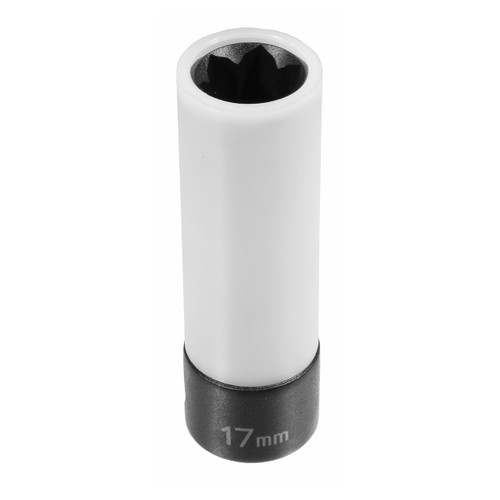
Grey Pneumatic
Grey Pneumatic 1/2" Drive Flower Deep Mercedes Protector Impact Sockets, Metric
Choose options for price
-
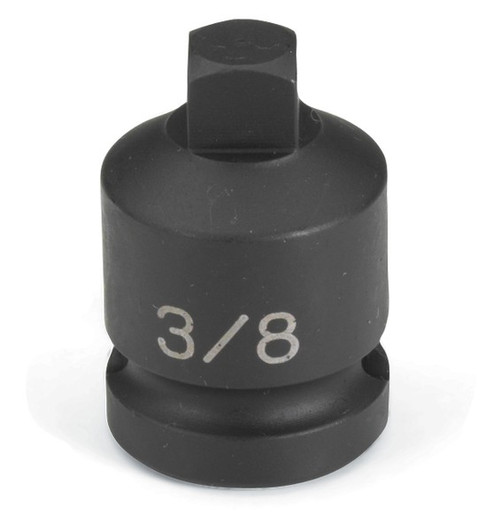
Grey Pneumatic
Grey Pneumatic 1/2" Drive 4-Point Square Standard Pipe Plug Impact Sockets, SAE
Choose options for price
-
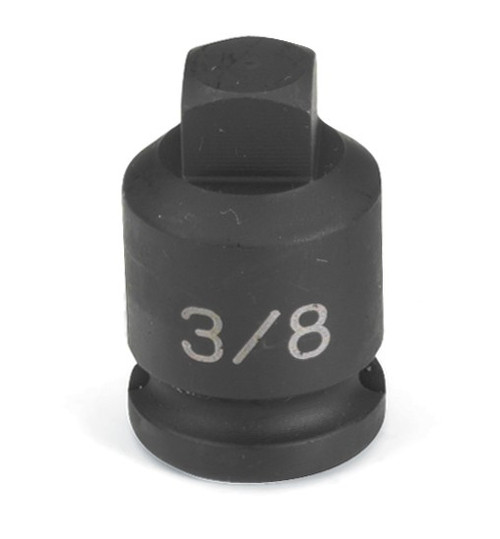
Grey Pneumatic
Grey Pneumatic 3/8" Drive 4-Point Square Standard Pipe Plug Impact Sockets, SAE
Choose options for price
-
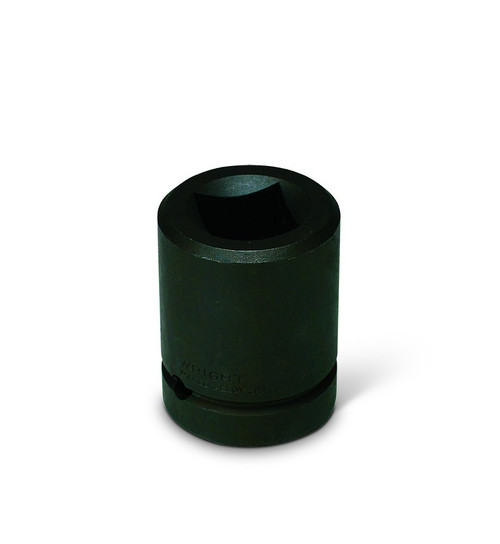
Wright Tool
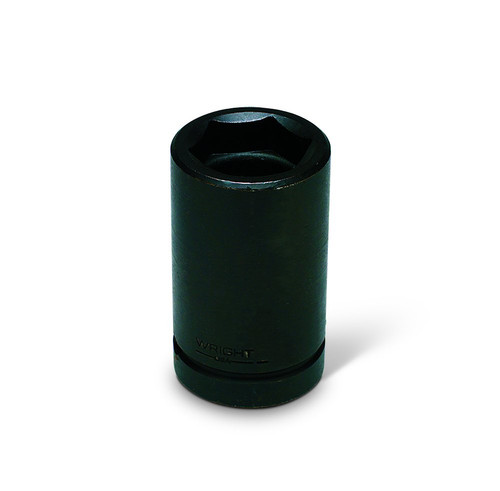
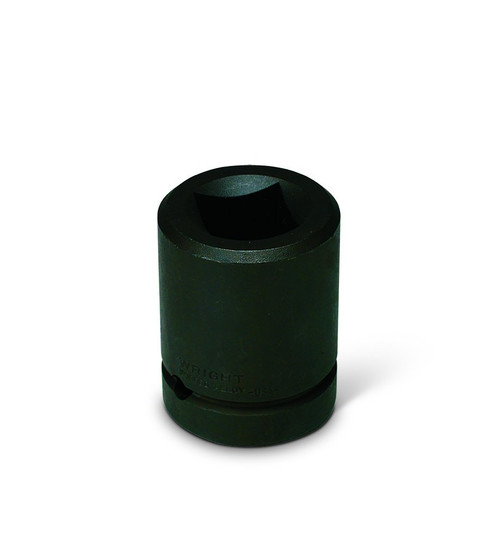
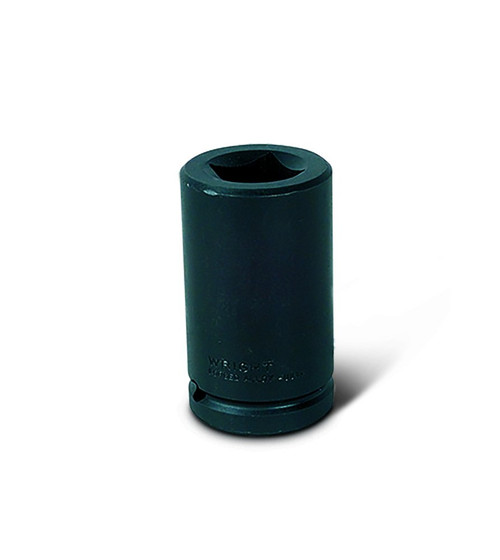
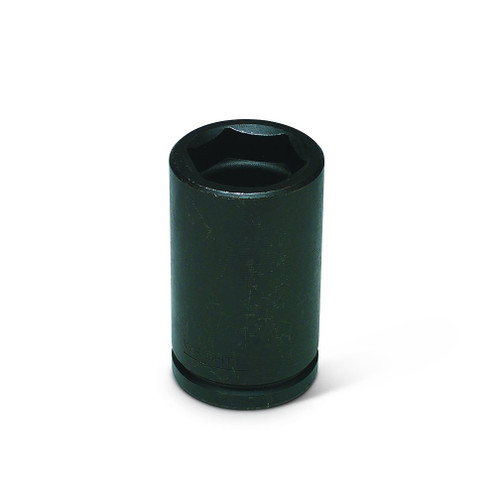
Wright Tool 1" Drive Square Standard Metric Budd Wheel Impact Socket
Choose options for price
-
Wright Tool
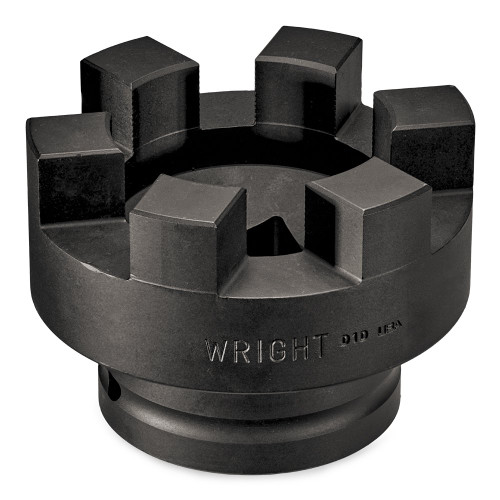
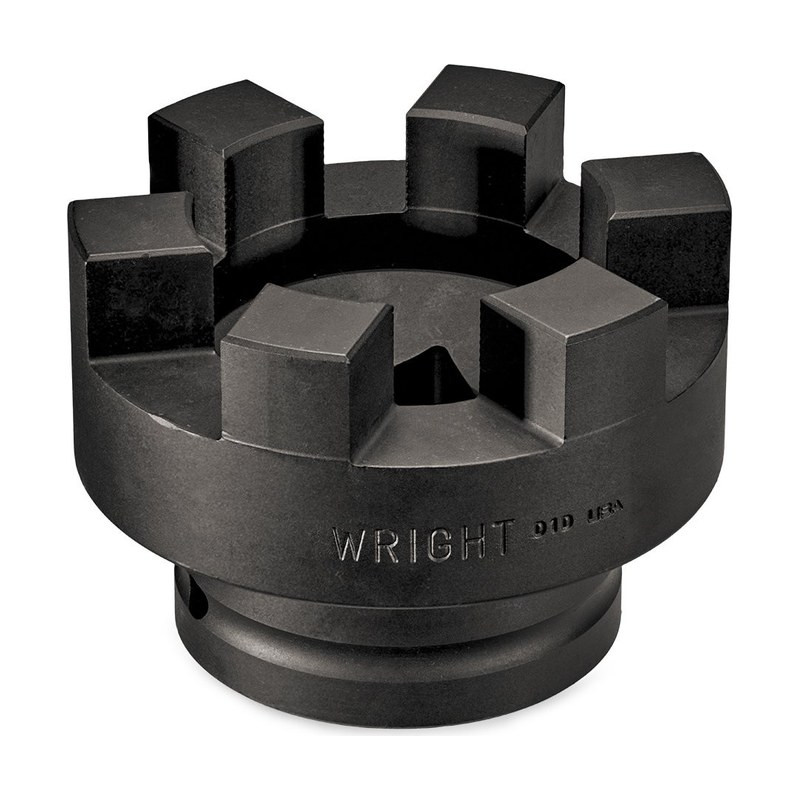
Wright Tool 2-1/2" Drive Standard Length Castellated/Spanner Socket
Choose options for price
-
-
Wright Tool
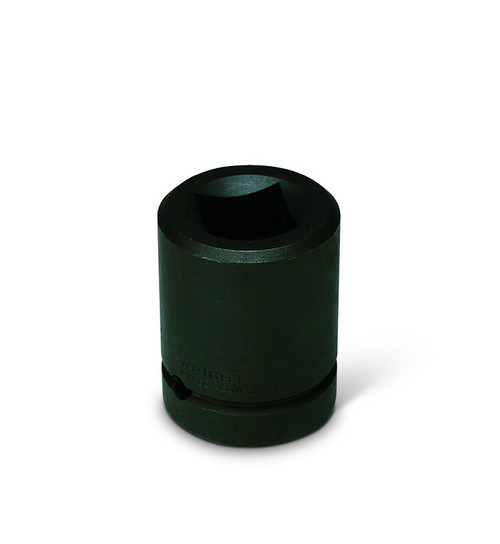
Wright Tool 3/4" Drive Square Standard Metric Budd Wheel Impact Socket
Choose options for price
-
-
-
-
-
-
-
-
-
Specialty Sockets
Some jobs need a socket that a regular set doesn't have. This page collects them: the spark plug socket, square Budd wheel sockets for older heavy truck duals, and very large castellated spanner sockets. Every one we carry at BRAIGG is made by Wright Tool. Most people buy specialty sockets one at a time, when a job calls for them. A cracked spark plug insulator or a rounded Budd nut costs far more than the right socket. For everyday nuts and bolts, start with our standard sockets instead.
Choosing a spark plug socket
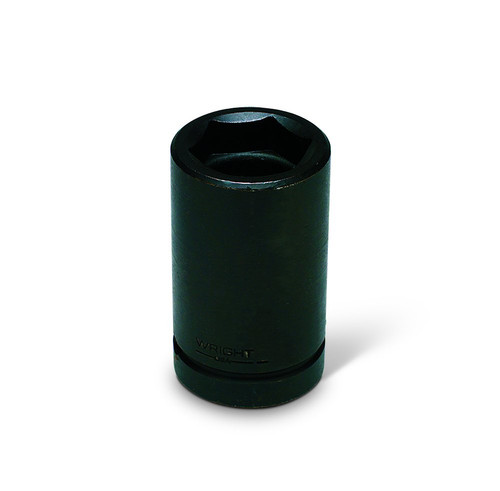
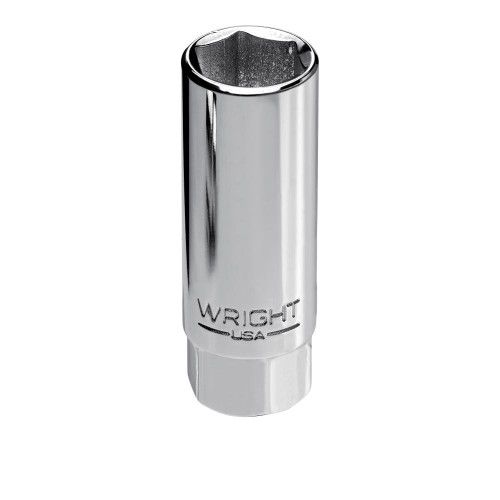
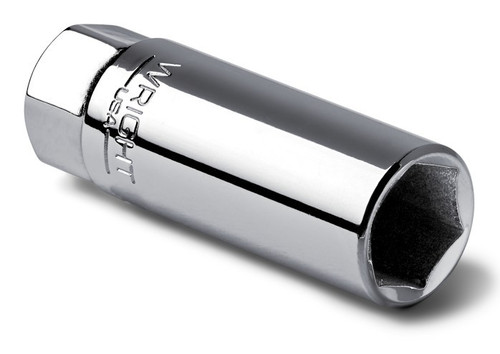
A spark plug socket is deeper than a standard socket so it clears the plug's porcelain, and Wright's are holding sockets, made to keep a grip on the plug. On a deep plug well, that means you can lift the old plug straight out and lower the new one in without dropping it down the tube and chipping the insulator.
Size first. Wright makes 6 point spark plug holding sockets in:
- 5/8 inch: in 3/8 drive (3590) and 1/2 drive (4590). This is the size most modern gas engines use.
- 13/16 inch: in 3/8 drive (3596) and 1/2 drive (4596). It's common on older engines, mowers and other small engines.
- 7/8 inch: in 1/2 drive (4598), for larger older plugs.
- 18 mm: in 3/8 drive (3588), the metric option.
For most car work, pick a 3/8 drive spark plug socket. It fits a typical 3/8 ratchet and extension, and the lighter tool gives you better feel when you start the threads. A shop tip that saves cylinder heads: thread a new plug in by hand, or with an extension and no ratchet, for the first few turns. If it binds early, back it out. Aluminum heads strip easily, and a crossed plug can turn a tune-up into a thread repair.
Budd wheel sockets for heavy trucks
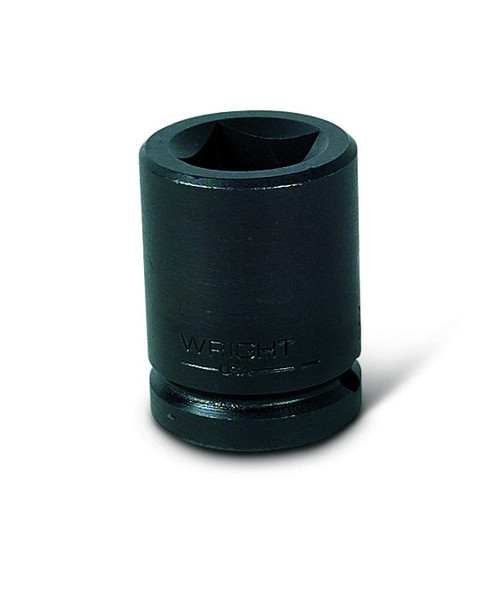
Older Budd style dual wheels hold the inner wheel with a cap nut that has a square head. The outer nut threads onto that cap nut. A hex socket won't turn the square, so you need a square Budd wheel impact socket. These are impact sockets, so you can run them on an air or cordless impact wrench.
- 3/4 drive square: 13/16 inch in standard (6893) and long length (6993), plus 17 mm and 21 mm metric in standard length.
- 1 inch drive square: 13/16 and 15/16 inch standard, 1-1/16 and 1-1/4 inch deep, and 17 mm and 21 mm metric.
- Combination: the 6991 (3/4 drive) and 8991 (1 inch drive) are long length sockets with a 1-1/2 inch hex at one end and a 13/16 inch square at the other.
The combination socket lets one tool handle both nuts on a dual set, so you aren't swapping sockets at every stud. Fleet shops that still run older trailers tend to keep one on the tire cart.
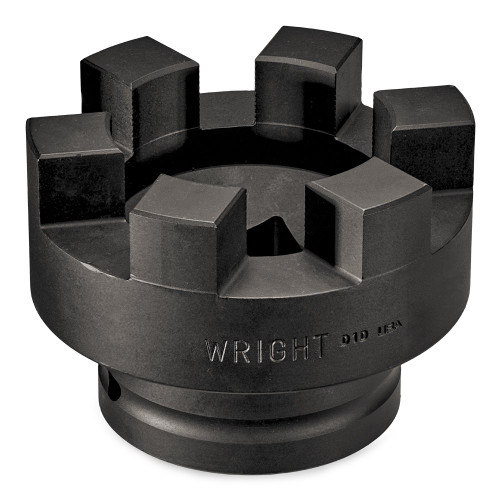
Castellated and spanner sockets
A castellated socket has lugs on its face instead of a hex. It engages the slots of a slotted round nut, the kind you find on large shafts, spindles and bearing retainers. Wright's run large: 1-1/2 inch drive in 2-1/4, 2-1/2, 2-3/4, 3 and 3-1/2 inch sizes, and 2-1/2 inch drive in 2-1/4 and 5 inch sizes. Measure the nut and count the slots before you order, and make sure your drive tools can take that size of square. For smaller slotted nuts and collars, a hand spanner wrench is often the better fit.
Other types of sockets you may need
If the fastener is a regular hex nut or bolt, you don't need specialty sockets at all. Chrome hand sockets cover hand tools. Black impact sockets go on air and cordless impact guns. For hex and Torx heads, use bit sockets. Not sure of a size? Our SAE to metric socket size chart shows which sizes are close and which aren't.
Frequently asked questions
What size spark plug socket do I need?
Most modern gasoline car engines use a 5/8 inch spark plug socket. Many older engines and small engines like mowers use 13/16 inch. Some larger older plugs take 7/8 inch, and some engines use metric plugs. Check the plug or the service manual before you buy, since the wrong size can slip and crack the insulator.
What is a spark plug holding socket?
It's a spark plug socket made to keep hold of the plug while you work. You can lift the old plug out of a deep well and lower the new one in without it falling and chipping the porcelain. Wright makes them in 6 point, in 3/8 and 1/2 drive.
Should I use a 3/8 or 1/2 drive spark plug socket?
For cars and light trucks, 3/8 drive is the usual choice. It fits a common ratchet and extension and gives better feel when starting threads. A 1/2 drive spark plug socket suits heavier equipment or shops that already work mainly in 1/2 drive.
What is a Budd wheel socket?
It's a square socket for the inner cap nuts on older Budd style dual truck wheels. The inner cap nut has a square head, so a hex socket won't fit it. Wright makes square Budd wheel impact sockets in 3/4 and 1 inch drive, plus combination sockets with a 1-1/2 inch hex on the other end.
What is a castellated socket used for?
A castellated socket has lugs on the end that fit into the slots of a slotted round nut, such as a spindle or bearing locknut. Wright's castellated spanner sockets are large, from 2-1/4 to 5 inches, in 1-1/2 and 2-1/2 inch drive, for heavy equipment and industrial shafts.