
-
-
-
KUKKO
KUKKO Adjustable-Reach Replacement Jaws for 3-Jaw Pullers - Series 206-S
Choose options for price
-
KUKKO
KUKKO Adjustable-Reach Replacement Jaws for 2-Jaw Pullers - Series 205-P
Choose options for price
-

-

-
-
-
-
-
KUKKO
KUKKO Replacement Jaws for Farm and Workshop Pullers - Series 200-U-P
Choose options for price
-
-

-
-
-
-
-
-

-

Puller Jaws & Accessories
A bent jaw, a missing crossbar or a spindle with chewed threads can sideline a good puller. This section of BRAIGG carries replacement puller jaws, crossbars, extensions, pressure spindles and hydraulic parts for KUKKO pullers, most of them made in Germany. Jaws come in pairs for 2-jaw pullers and sets of three for 3-jaw models, with reach options from 40 mm up to 500 mm (about 1-9/16 to 19-11/16 in). The trick is matching the part to your puller's series number, so start with the guide below.
Match puller jaws to your puller series
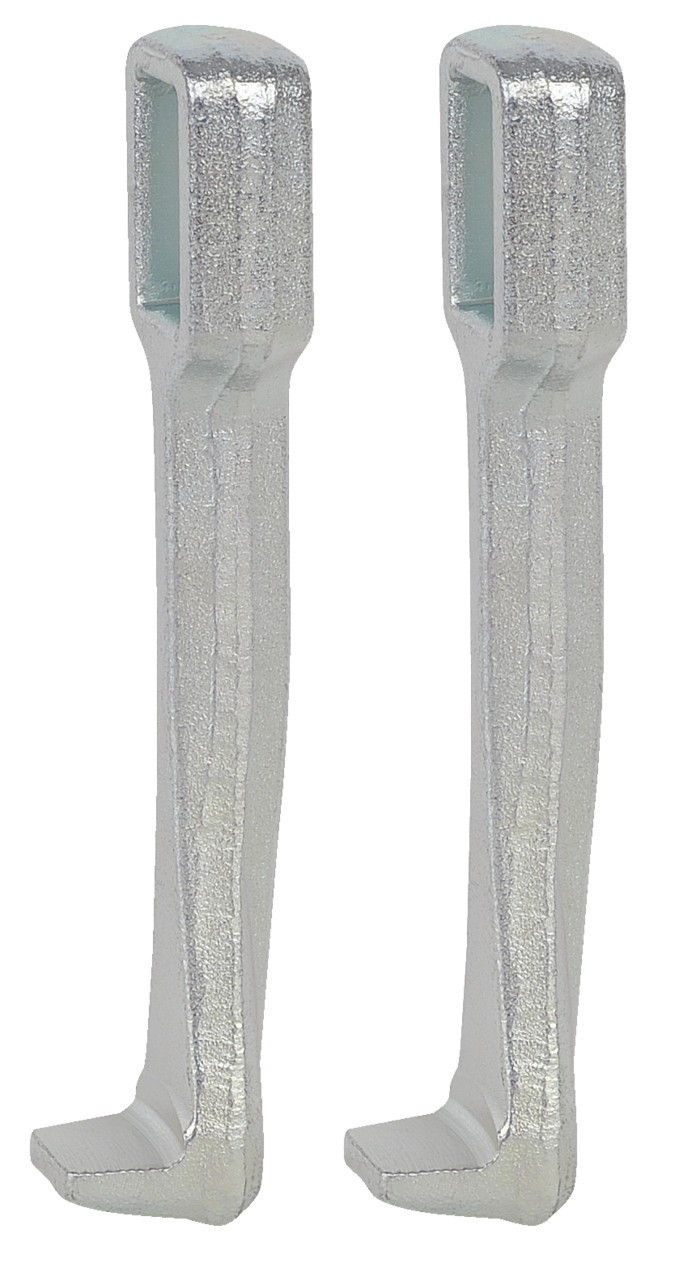
KUKKO puller jaws are not one-size-fits-all. Each set is cut for a specific crossbar, and the series number stamped on your puller tells you which family to buy. Standard KUKKO 2-jaw and 3-jaw universal pullers take the 0-P pair or 0-S set of standard puller jaws. A VARIO puller takes the 130-P pair or 130-S set. Techno pullers use series 110, the Swedish-style rolling bearing pullers use 112-P, and Cobra pullers take 204-P (the Cobra bearing separators use 210-P instead). If the stamp is worn off, measure the old jaw's reach and the slot width in the crossbar before you order.
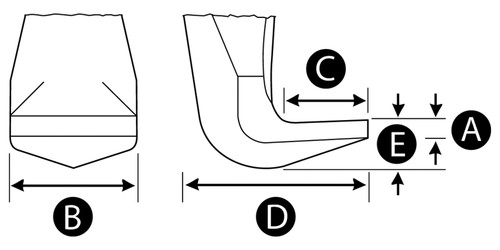
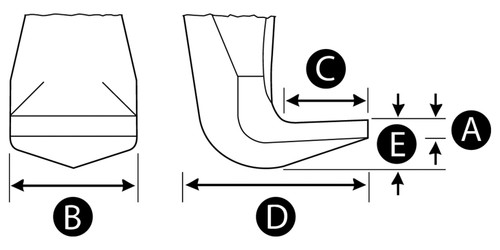
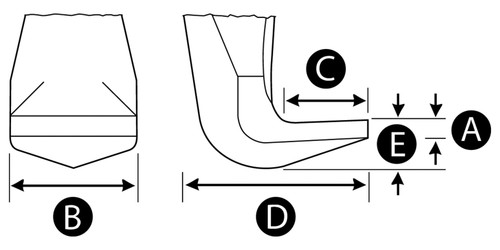
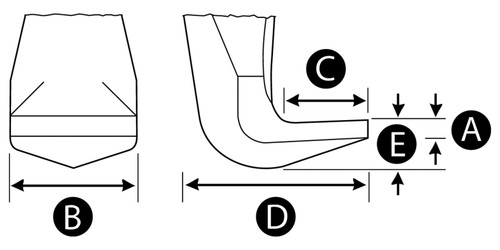
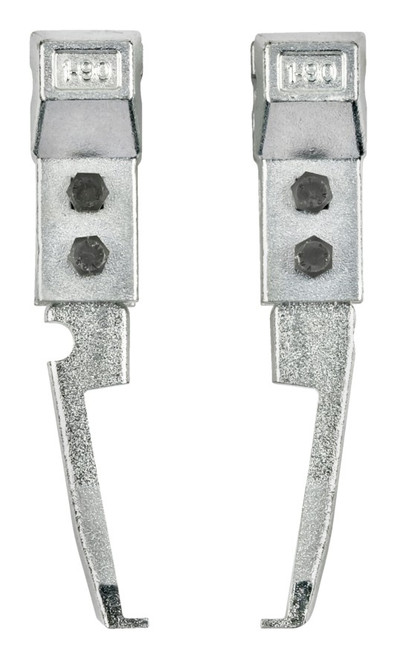
The product names spell out the fit, for example standard jaws for 2-jaw universal pullers, series 0-P, which come in twelve versions from 75 mm to 500 mm reach.
Standard, narrow or quick-adjust jaws
Within one puller family you usually get a choice of jaw shape:
- Standard jaws (0-P, 0-S) are the heavy-duty choice for general bearing, gear and pulley work.
- Narrow jaws (series 1-P and 1-S) slip into tighter gaps behind a gear or a pressed-on bearing.
- Extremely narrow jaws (4-P, 4-S) have a trapezoidal claw tip for the thinnest gaps, such as a bearing seated hard against a shoulder.
- Quick-adjust jaws (series 2-P, 2-S, 3-P, 5-P and the x versions) have a knurled adjuster, so you can slide them along the crossbar by hand instead of reaching for a wrench.
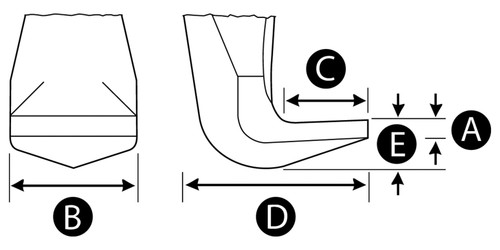
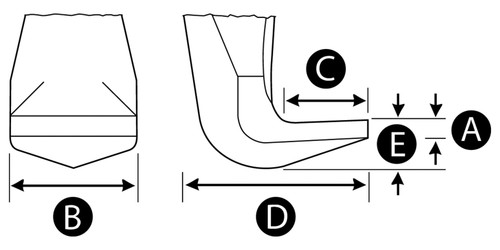
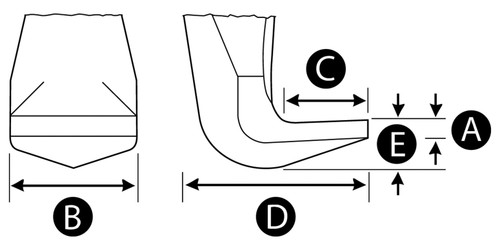
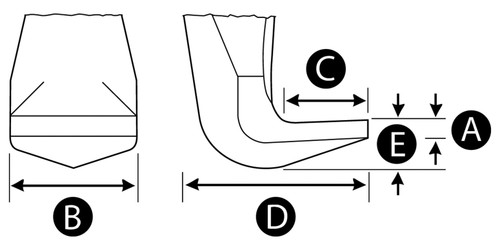
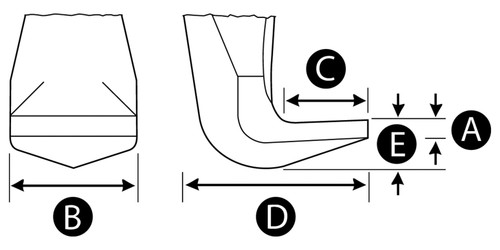
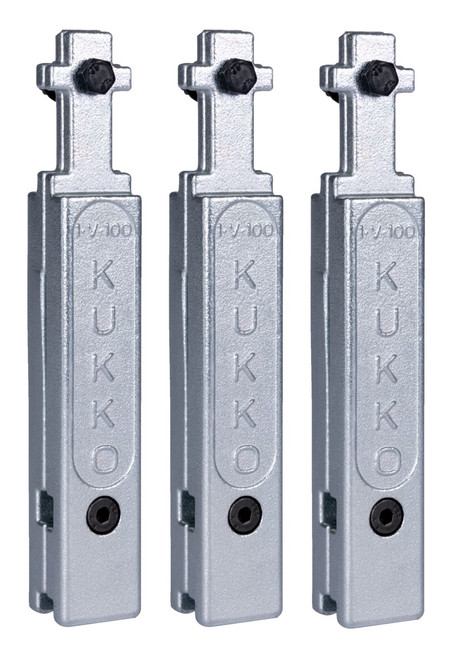
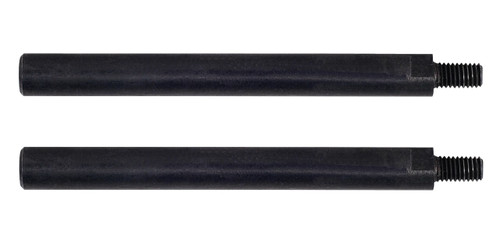
Reach is the other number that matters. It is the distance from the crossbar to the jaw tip, and it has to clear the part plus whatever sits in front of it. A pulley seated 150 mm (about 6 in) down a shaft needs jaws longer than 150 mm. If your jaws come up short, V-P jaw extensions add 100 or 150 mm and can be stacked.
Special-purpose jaws and hooks
Some jobs need a jaw shaped for one part. The PULLPO jaw sets turn a 70-0 frame into a ball bearing puller that grips deep groove bearings without pulling the shaft. Sets are listed by ISO bearing number, so a 6203 or 6205 bearing falls under one set and a 6308 under another. Each set also includes stop rings. There are swiveling jaws for series 41 (2-jaw) and 42-S (3-jaw) pullers, 40 to 200 mm reach, spring-loaded auto-grip jaws for series 482, and reversible jaws for Cobra bearing separators that you can flip when one edge wears.
For seals, the oil seal removal hooks, series 224-0 mount on a KUKKO sliding hammer. Together they make a seal puller for shaft seals that a jaw puller cannot get behind. Steering wheel puller jaws (series 33 and 34) and replacement hub puller hooks are here too.
Spindles, crossbars and hydraulic puller parts
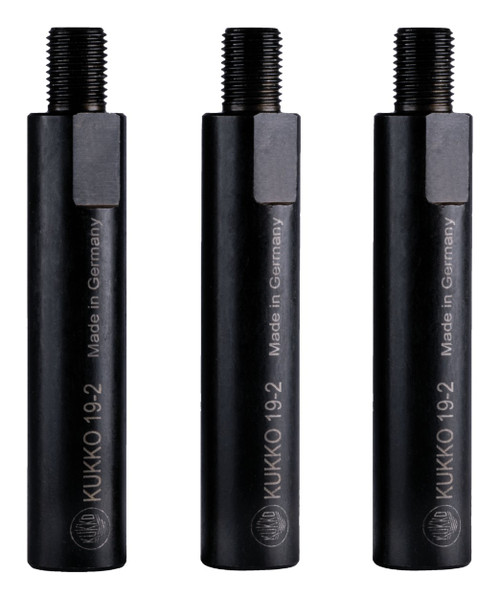
The spindle does the pushing, so it is the part to upgrade when a puller runs out of muscle. The series 6 mechanical pressure spindle is rated up to 10 t and has a reversible tip for flat shaft ends or center holes. The 8-0 grease-hydraulic spindle reaches 10 or 12 t without a separate pump. The 8-HP hand-lever hydraulic spindle goes up to 20 t, and its lever swivels 360 degrees for tight spots. Series 9 auxiliary presses add 10, 15 or 30 t to a mechanical puller.
Crossbars (11-T, 30-T, 113-T, 130-T and others) replace a bent bar or convert a puller between two and three jaws. For KUKKO hydraulic systems, the section also carries cylinders, pumps, hoses, quick couplings and thrust pieces. Those pair with the pullers in our hydraulic pullers section.
Protect the shaft while you pull
A spindle tip that digs into a shaft end ruins the center hole and can mushroom the shaft. KUKKO's 606 Powerplates sit between spindle and shaft, with a magnet to hold them in place and a rotating core that spreads the load. They come in 18 to 58 mm outer diameters. The 600 reversible pressure piece sets add flat and concave pieces of 20, 32 and 41 mm for hollow shafts.
Shop tips for puller parts
- Replace puller jaws in matched pairs or sets. One worn jaw lets the puller cock sideways under load.
- Keep the spindle centered on the shaft and the jaws square on the part before you apply force.
- Wear eye protection, and drape a heavy cover or safety blanket over the puller when pulling under high load. A jaw that slips can throw parts.
- Oil the spindle threads and wipe grit off the crossbar slots after each job.
- Retire any jaw with a cracked or opened-up hook. Don't try to bend it back.
If you need a complete tool rather than puller parts, see our jaw pullers, or browse the full pullers and extractors department. Small wear items such as screws and pins live under puller spare parts. Still deciding between two jaws and three? Read 2-jaw vs 3-jaw puller.
Frequently asked questions
How do I find the right replacement puller jaws?
Start with the series number stamped on your puller, such as 130 (VARIO), 110 (Techno) or 204 (Cobra), and buy jaws from the matching series. Then pick the reach. It must clear the part you are pulling plus anything in front of it. If the marking is gone, measure the old jaw's length and the crossbar slot width.
Can I put 3-jaw puller jaws on a 2-jaw puller?
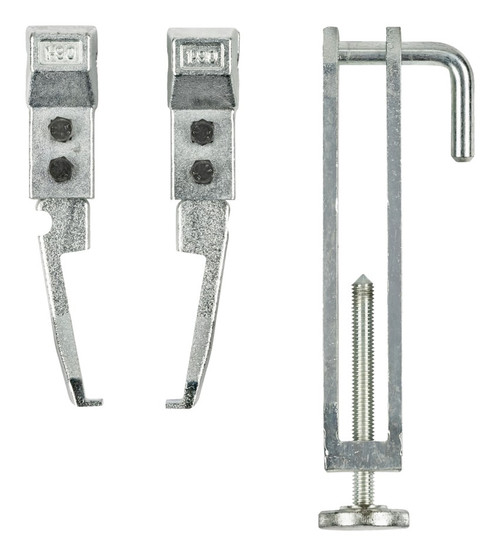
Not directly. Two-jaw and three-jaw pullers use different crossbars. KUKKO sells 3-jaw crossbars such as series 11-T and 30-T, which can turn a compatible puller into a 3-jaw tool when fitted with a set of three matching jaws. Check that the crossbar lists your puller model before ordering.
What is the difference between narrow and extremely narrow jaws?
Narrow puller jaws (series 1, plus the quick-adjust series 3) have thinner hooks than standard jaws so they fit behind gears and bearings with a small gap. Extremely narrow jaws (series 4, plus the quick-adjust series 5) go further, with a trapezoidal claw tip for very tight gaps, such as a bearing pressed right up against a shoulder.
How much force do KUKKO puller spindles produce?
According to KUKKO, the series 6 mechanical pressure spindle reaches 10 t. The 8-0 grease-hydraulic spindle reaches 10 or 12 t depending on thread size, and the 8-HP hand-lever hydraulic spindle reaches up to 20 t. Series 9 auxiliary presses add 10, 15 or 30 t to a mechanical puller.
Do I need a Powerplate when pulling a bearing?
It helps a lot when the shaft end has a damaged, oversized or missing center hole. The 606 Powerplate sits between the spindle tip and the shaft, spreading the load through a rotating core so the tip doesn't dig in. It's magnetic, so it stays put while you line up the puller.
Should I replace both jaws if only one is damaged?
Yes. KUKKO sells jaws as pairs or sets of three for a reason. Mixing a new jaw with worn ones gives uneven reach and grip, so the puller pulls off-center and can slip under load. Swap the whole set and check the crossbar for wear at the same time.