
-

-
-
-
-
-
-
-

-

-
KUKKO
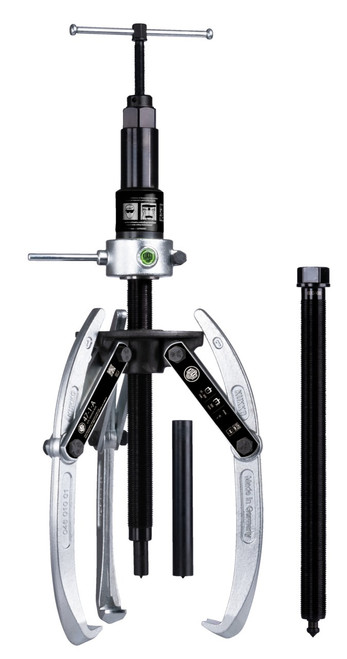
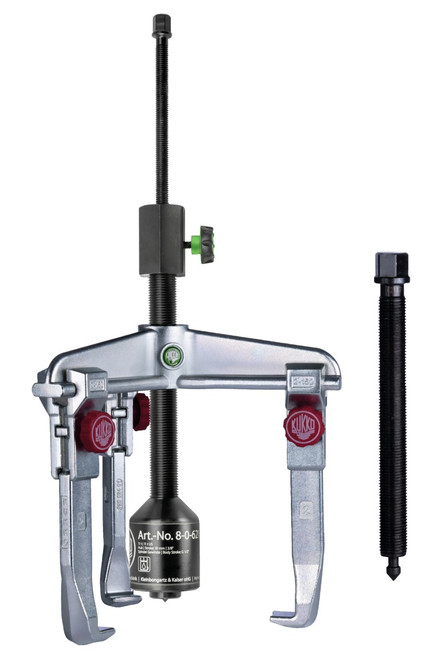
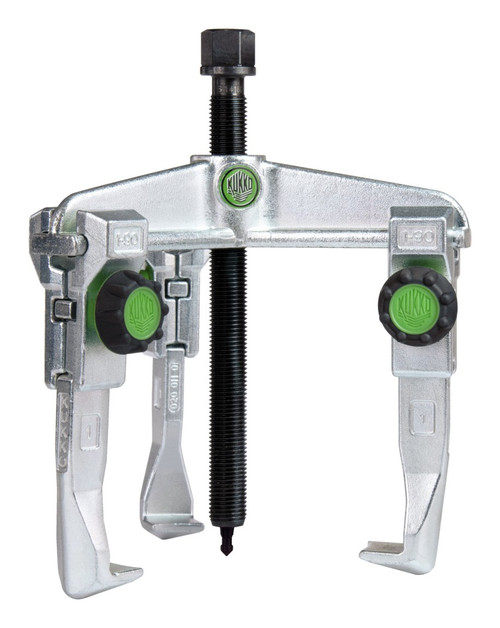
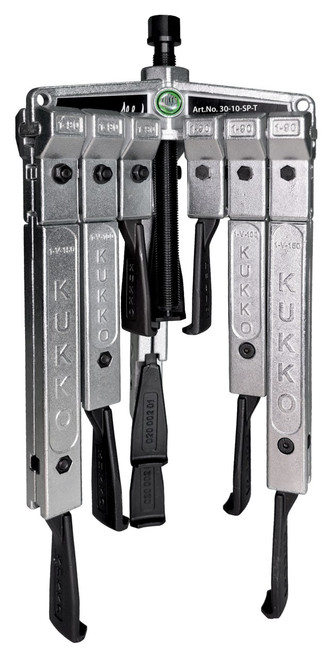
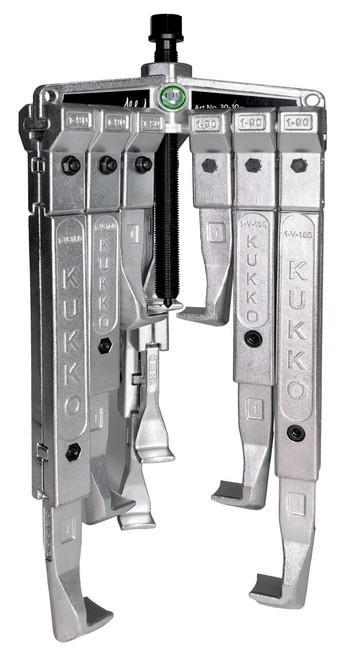
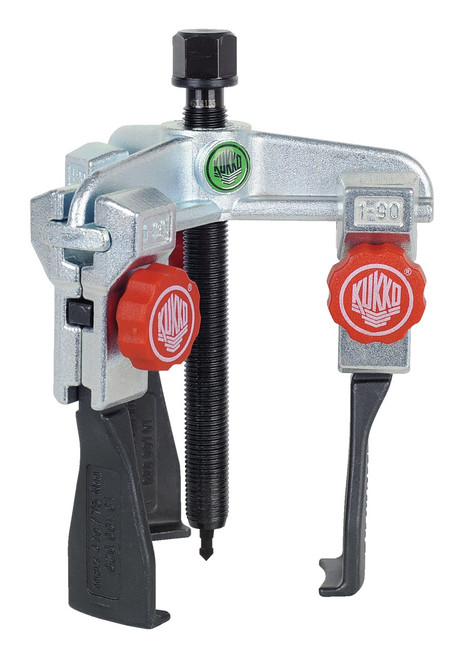
KUKKO 3-Jaw Universal Puller with Quick-Adjust Jaws and Hydraulic Spindle
Choose options for price
-

-
-
-

-
-

-

-
-
KUKKO
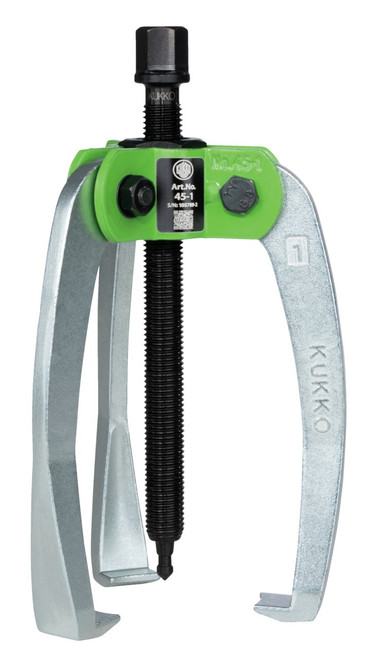
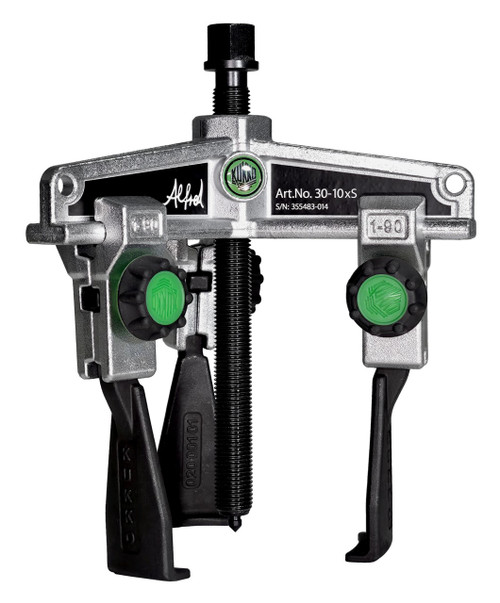
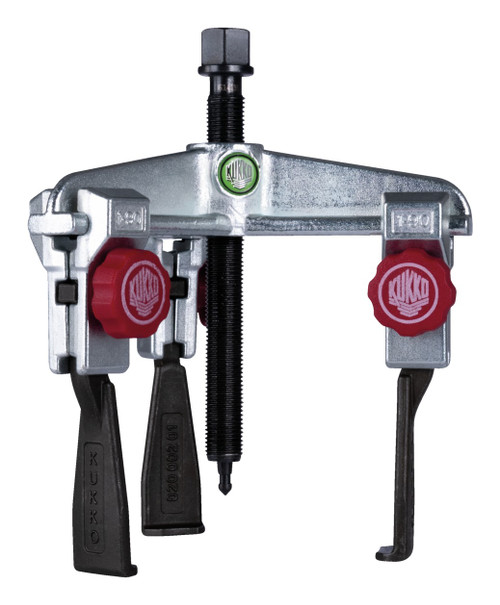
KUKKO 3-Jaw Universal Puller With Extremely Narrow Quick-Adjustable Jaws
Choose options for price
-
3-Jaw Pullers
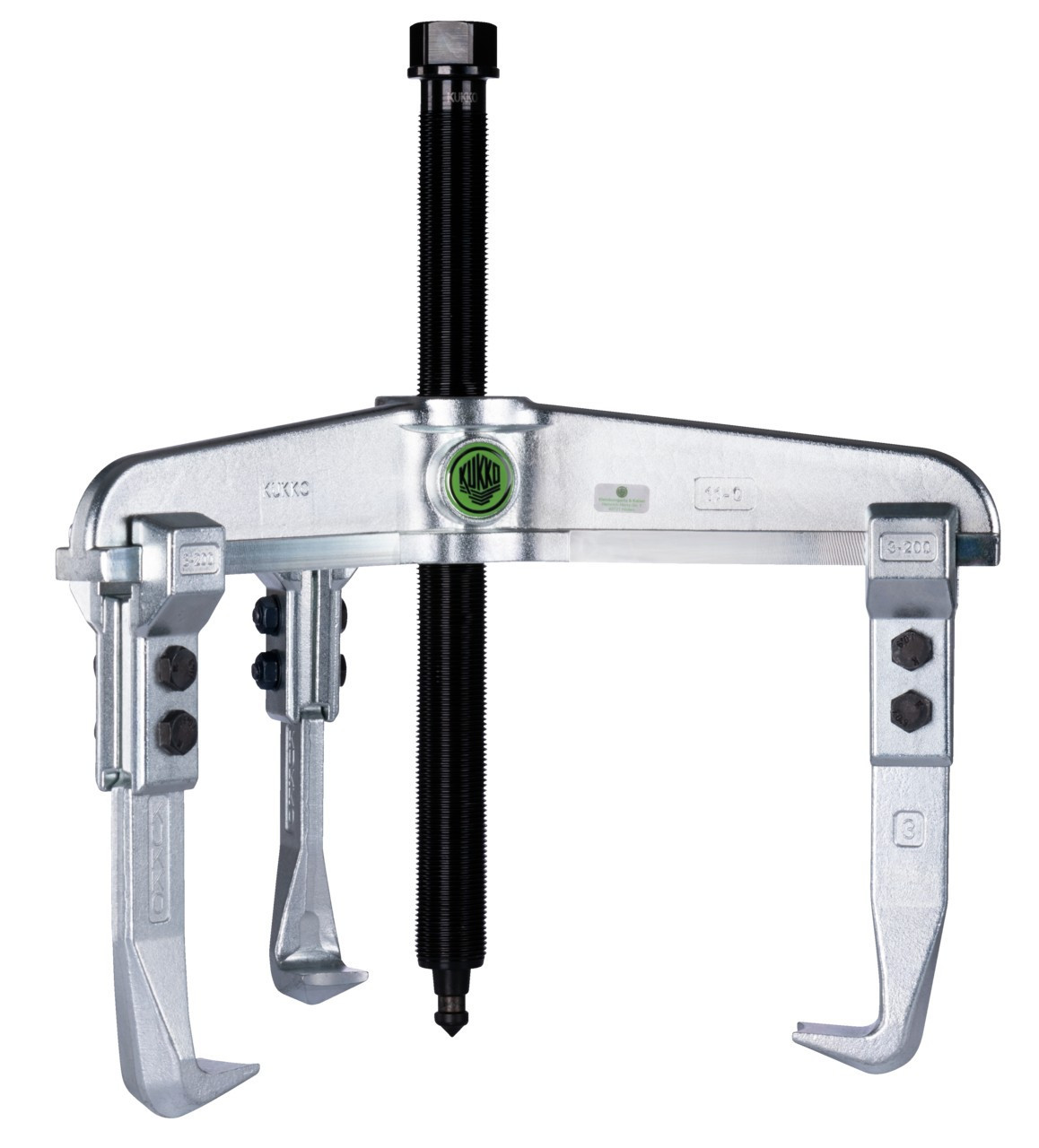
A 3-jaw puller puts three gripping points around a gear, bearing or disc, rather than loading just two opposite sides. That arrangement suits a round component with a rear shoulder that's accessible around its circumference. At BRAIGG, you'll find KUKKO sliding-jaw, keyed-retention and self-centering designs for different setups. Start by checking that all three hooks can seat fully. One arm caught against a housing can spoil an otherwise suitable pull. Next measure the diameter, rear access and shaft projection so the selected tool can grip squarely without running out of reach.
What a 3-jaw puller needs from the workpiece
A 3-jaw puller needs more than three places to hook on. Each jaw needs a solid ledge at the same depth, and the spindle must react against the shaft on its axis. Check the underside of the assembly, where the third hook can be hard to see once the tool is mounted.
For a 3 jaw gear puller, that means looking past the tooth diameter to the actual rear face the hooks will bear on. A gear with a sound hub may still have a thin outer edge that is unsuitable for pulling. Follow the equipment removal procedure. When the third arm cannot sit correctly, assess 2-Jaw Pullers rather than leaving one jaw partly engaged.
Classic sliding jaws for measured setups
The KUKKO Classic series 30 uses adjustable jaws and screw fastening. The family includes different spread and reach combinations, so choose the actual item rather than treating every series 30 tool as the same size. Listed options include 70 mm spread with 75 mm reach, about 2.8 in by 3 in, and 200 mm spread with 300 mm reach, about 7.9 in by 11.8 in, with extended jaws.
Extended reach matters when the shaft projects well beyond the rear face of the component. It is not a force rating. Confirm that the selected spindle has the working travel you need, and that the tool remains clear of the surrounding machine as the part moves. Our puller size guide covers spread, reach and clearance checks.
Keyed retention or self-centering action
The KUKKO Alligator series 12 uses a tensioning key to open, close and secure the jaws. Listed sizes include 100 mm spread with 100 mm reach, about 3.9 in each, and 150 mm spread with 125 mm reach, about 5.9 in by 4.9 in. Its jaw-retention method is useful to consider when you're deciding how to hold the unloaded tool in position during setup.
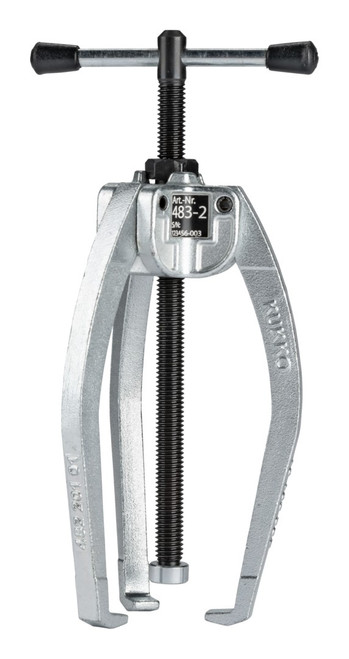
The KUKKO Auto-Grip series 483 centers its jaws as the spindle is tightened. The spring mechanism increases clamping force with pulling force. Listed options include 85 mm spread with 90 mm reach, about 3.3 in by 3.5 in, and 250 mm spread with 250 mm reach, about 9.8 in each. This action still requires a properly aligned reaction point and correctly seated hooks.
Check the load path on bearings
A 3 jaw bearing puller can grip a bearing's outer ring easily when the inner ring is hidden. Easy access does not make that the right load path. On a bearing fitted to a shaft, force applied through the outer ring passes through the rolling elements and can damage them. Where possible, arrange the pull through the fitted inner ring.
If the inner ring is flush against a shaft shoulder, a bearing separator may provide the rear support that ordinary hooks cannot reach. Do not grind a jaw tip to make it enter. Select a tool with suitable jaw geometry and use only approved components.
Keep three contacts seated under load
Before applying force, inspect each hook, secure the jaws as instructed and take up slack gradually. Wear eye protection and fit a rated pulling guard or safety cover. Keep your body out of the line of pull. If the crossbar tilts or one jaw starts to climb off the shoulder, unload the tool before correcting it.
Jaw count does not establish capacity, and a 3-jaw puller is not automatically rated above a two-jaw tool. Follow the selected model's limits and the assembly's service procedure. Read the gear puller removal steps before starting, or return to Gear & Jaw Pullers to review other arrangements.
Frequently asked questions
Why use a 3-jaw puller on a round part?
Three properly seated hooks distribute the extraction load around the part's circumference. This can help keep a round component square as it moves along the shaft. The benefit depends on all three contacts engaging a suitable shoulder; a tilted or partly seated third jaw can undermine the setup.
Is a three-jaw tool always stronger than a two-jaw tool?
No. Pulling capacity depends on the specific tool and its approved configuration, not the number of jaws alone. Check the selected model's rating, spread and reach. A small three-jaw tool is not a replacement for a larger rated tool simply because it has another gripping point.
What does self-centering mean on the KUKKO 483?
KUKKO describes the series 483 jaws as centering automatically when the spindle is tightened. Its spring mechanism also increases clamping force in proportion to pulling force. You still need a suitable shoulder, equal hook engagement and a spindle positioned on the shaft axis before loading the tool.
Can I use a 3-jaw puller if one hook cannot fit?
Do not load the tool with one jaw partly engaged or resting against a housing. Check whether the model is specifically approved for a different arrangement, or choose a suitable two-jaw tool. Removing a jaw from an ordinary three-jaw tool is not automatically an approved conversion.
How do I choose between Alligator and Classic jaws?
Compare the way you need to position and secure the jaws. KUKKO Classic series 30 has adjustable jaws with screw fastening. Alligator series 12 uses a tensioning key to open, close and retain its jaws. Match the chosen item's working dimensions to the assembly before deciding which retention method suits the job.