
Ratchets
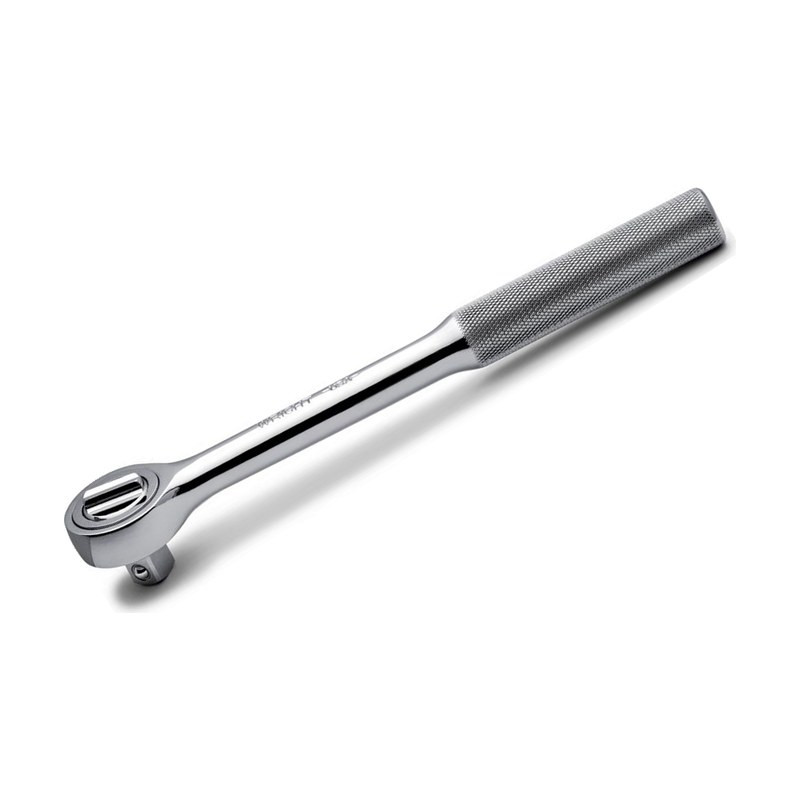
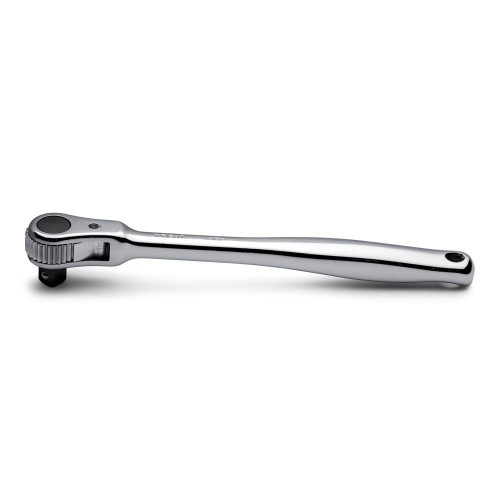
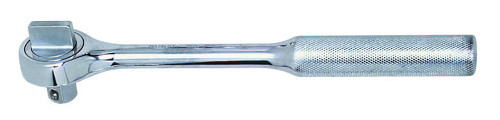
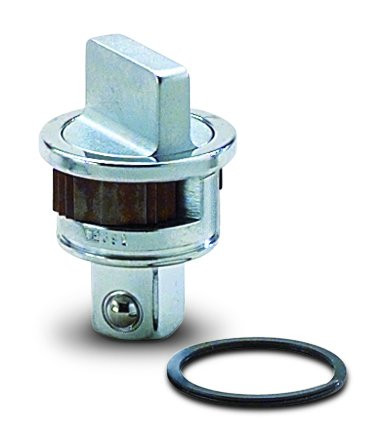
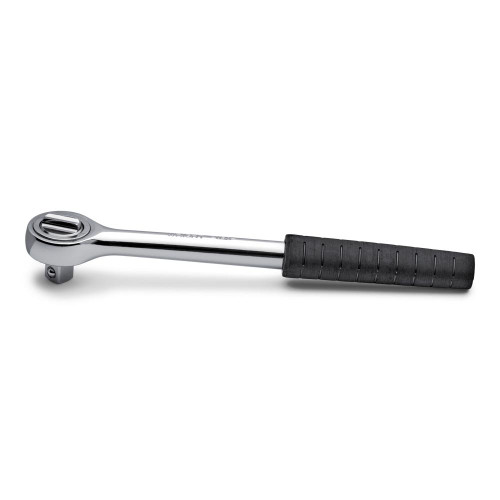
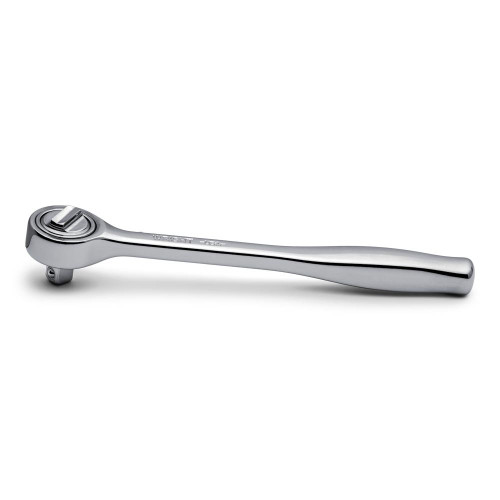
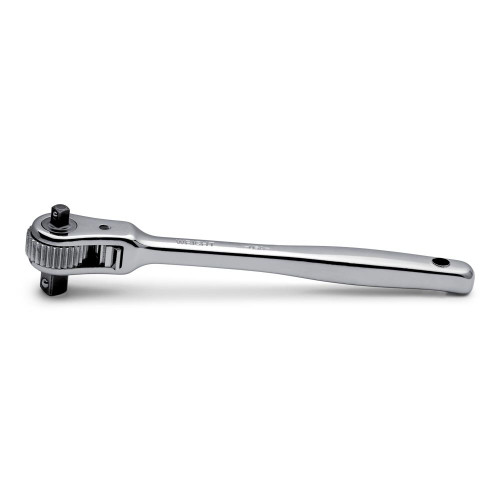
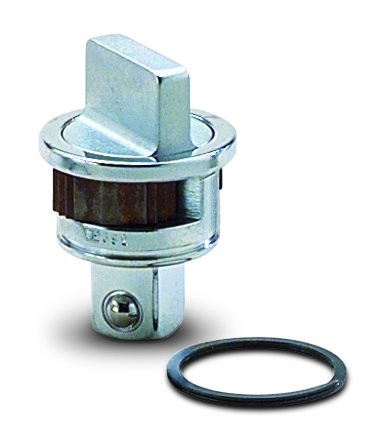
A ratchet wrench lets you turn a socket without lifting it off the fastener after every stroke. At BRAIGG, we carry Wright Tool handles from a 4-3/4 inch 1/4 drive tool to 42 inch railroad track models in 3/4 and 1 inch drive. You'll find fixed and flex heads, compact low torque models, open head and lineman's styles, plus knurled, contour and nitrile comfort grips. Wright says all its ratchets can be renewed with a ratchet renewal kit. Match the kit to the handle's model number, not just its drive size.
How to choose a ratchet wrench by drive size
Start with the drive of the sockets you use, then check clearance around the fastener. A longer handle gives more leverage with the same effort, but it also needs room to swing. Wright advises against drive adaptors, so choose a handle that matches the socket directly.
- 1/4 drive: 4-3/4 to 5-1/2 inches long in the listed Wright range. Useful for small fasteners and crowded spaces where a large handle is awkward.
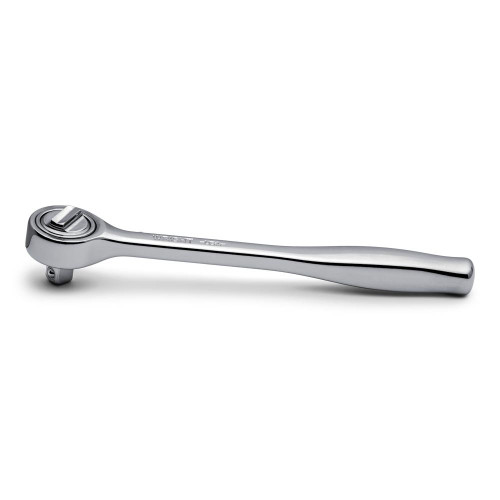
- 3/8 drive: a practical everyday size for cars and shop equipment. Lengths run from the 5-1/4 inch compact to 10-3/4 inch flex head models.
- 1/2 drive: a starting point for suspension, brake brackets and bigger frame bolts. Wright models here run from 8-3/8 inches to an 18 inch flex head.
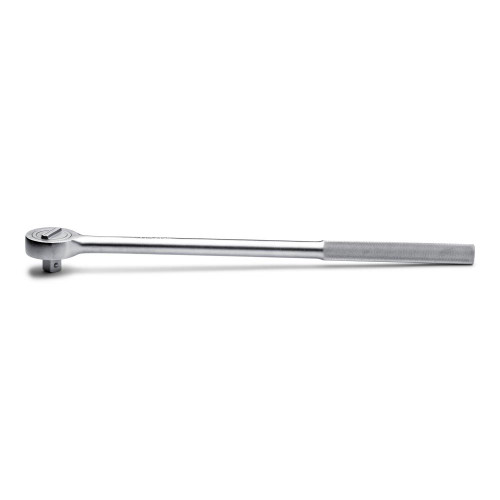
- 3/4 and 1 inch drive: 24 and 30 inch standard handles for larger equipment, with separate 42 inch railroad track models.
Fixed head, flex head or compact?
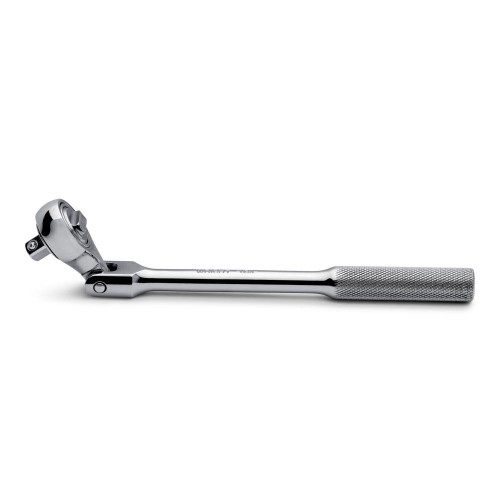
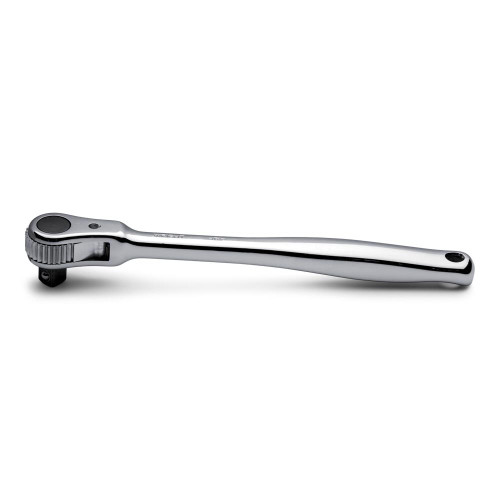
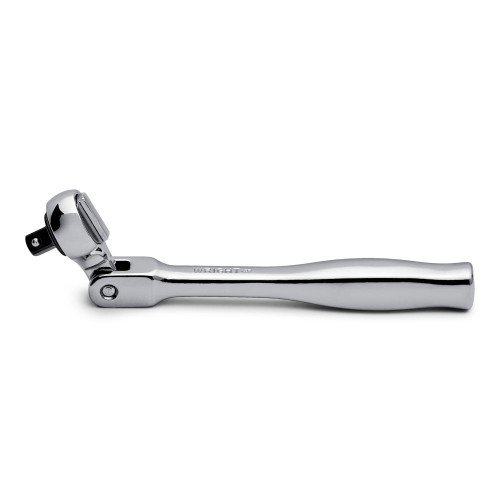
A fixed head keeps the handle and socket in one plane. A flex head pivots, so you can keep the socket square on a bolt behind a bracket while the handle clears the obstruction. Wright's number 3429 adds a bent, double offset handle and nitrile comfort grip. Before pulling, check that the socket is seated fully rather than resting on the top of the bolt.
A compact ratchet wrench fills a different gap. The number 3430 is a palm-size, low torque 3/8 drive tool only 5-1/4 inches long, with a flex head version, number 3440, at 5-3/4 inches. Use them to turn fasteners in cramped engine bays, not to force seized bolts loose.
Open head and lineman's styles
Some Wright handles have a more specific layout. Open head ratchets with a pear-shaped head come in 3/8 and 1/2 drive, and the number 3482 combination model takes both 3/8 and 1/4 drive sockets. Lineman's ratchets 3433 and 4433 have a raised cap and a knurled grip, with lengths of 7 and 10-1/4 inches respectively. Check the handle type as well as the drive when replacing a tool you already use.
A longer ratchet wrench for large fasteners
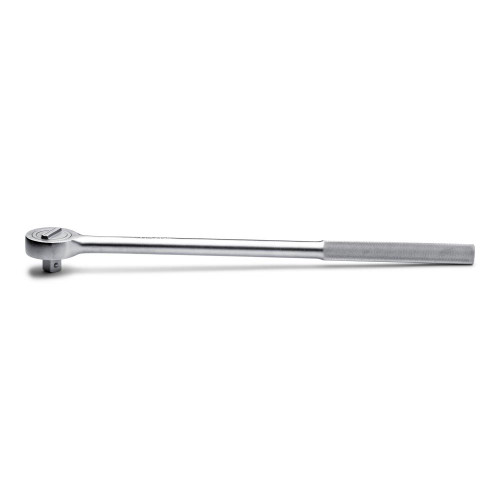
The 42 inch railroad track models, number 6425 in 3/4 drive and number 8425 in 1 inch drive, provide long handles for track hardware and similar large fasteners. In 1/2 drive, the 15 inch knurled and contour grip handles and the 18 inch flex head are the longer options. Choose a length you can control in the available space.
A long ratchet wrench is not a pry bar. For seized fasteners, use a suitable breaker bar to loosen the joint, then switch tools for the repeated turns. Never slide a pipe over the handle. For final tightening to a specified value, use a torque wrench; an ordinary ratchet does not measure torque.
Grips, finishes and a ratchet set
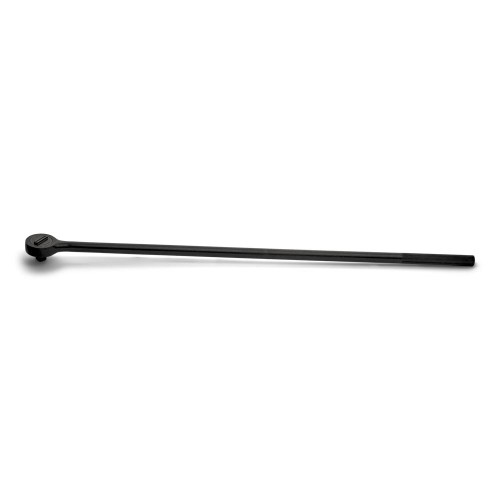
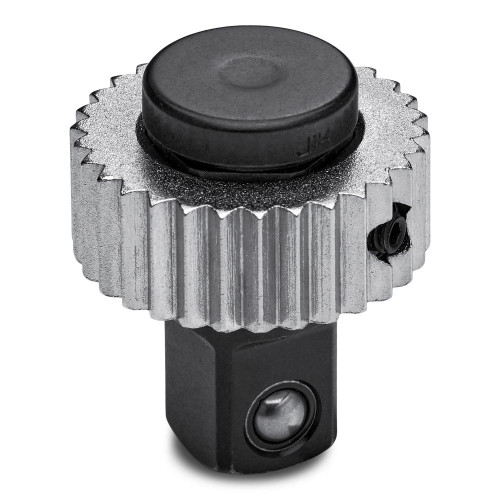
Knurled steel, contour and nitrile comfort grips give you different handle shapes to choose from. Check the listed length too, since two handles with the same drive can feel quite different in a tight space. Wright also offers black finish versions, including models 32426, 33426, 34426, 36400 and 38400. Pick the head and handle arrangement before the finish.
If you are building a ratchet set, list the drives and handle lengths you need before choosing individual pieces. A socket set may already include a handle, but check its contents rather than assuming it has the head style you want. Match separate handles to your hand sockets and add socket extensions for reach. If a socket will not fit at all, consider ratcheting wrenches instead of these square-drive handles.
Keep a Wright ratchet wrench working
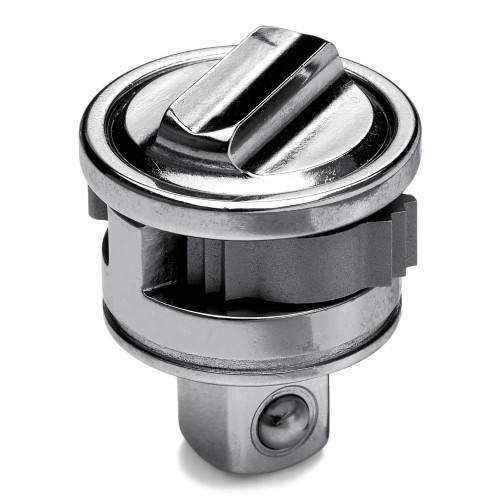
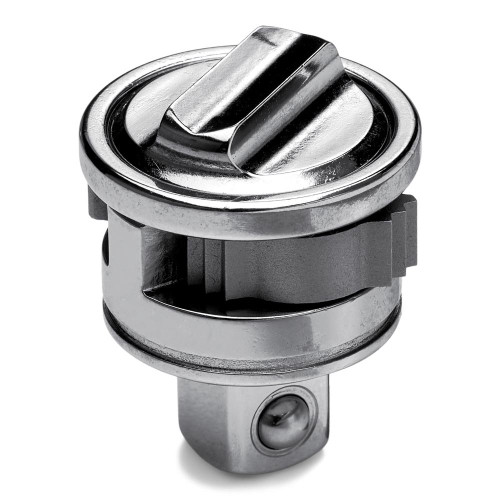
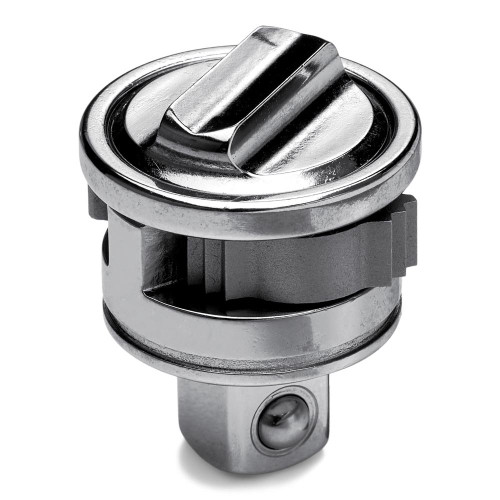
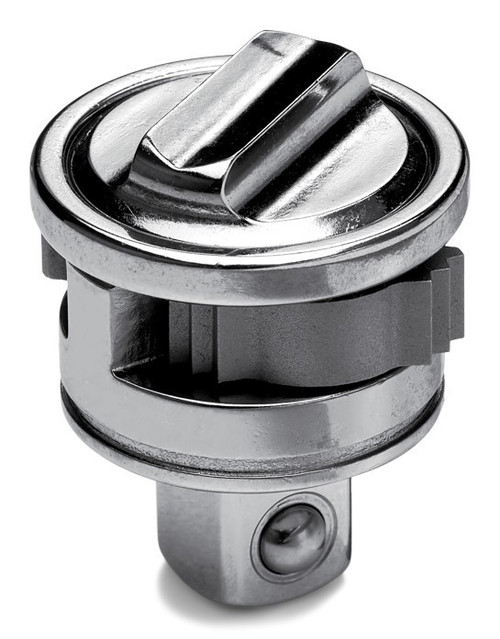
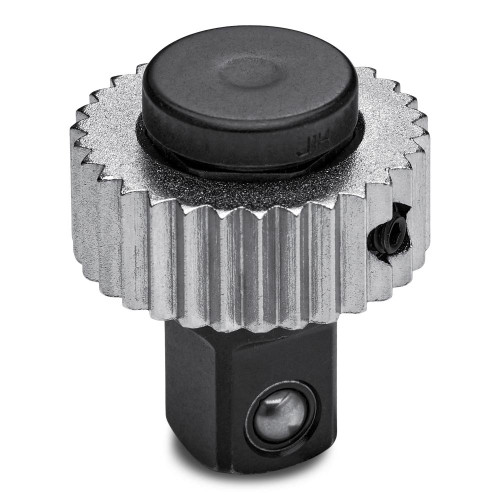
If a mechanism starts slipping or will not hold direction, take the tool out of service and identify its renewal kit. Wright's FAQ says all Wright ratchets can be renewed with kits. For example, kit 3491 fits handles 3400, 3425, 3426, 3427, 3428, 3429 and 3490. The compact 3430 and 3440 instead use kit 3432. Follow the kit's service instructions and confirm model compatibility before ordering. See the Wright Tool brand hub for matching sockets and other drive tools.
Frequently asked questions
What size ratchet wrench should I buy first?
A 3/8 drive model around 7 inches long is a useful starting point for cars, light trucks and shop equipment. Match it to the sockets you use most. Add 1/4 drive for smaller work and 1/2 drive for larger fasteners, checking handle length and working clearance before choosing each one.
Can I use a ratchet to break loose a stuck bolt?
For a seized or heavily rusted fastener, start with a suitable breaker bar rather than loading the ratchet mechanism harder. Once the joint moves, switch to the ratchet for repeated turns. Never slide a pipe over the handle, and stop using a tool if its mechanism slips or fails to hold direction.
What is a flex head ratchet for?
The head pivots on the handle, so you can keep the socket square on the fastener while the handle clears hoses, brackets or a frame rail. Check the socket's seating before applying force. A flex head changes the handle angle; it does not make the socket fit an incorrect fastener size.
Can a worn Wright ratchet wrench be renewed?
Yes. Wright's FAQ says all Wright ratchets can be renewed with a ratchet renewal kit. Kits fit specific models, not every handle of the same drive size. For example, kit 3491 fits the 3400, 3425, 3426, 3427, 3428, 3429 and 3490, while compact models 3430 and 3440 use kit 3432.
What is a railroad track ratchet?
It is a long-handled ratchet for large track fasteners and similar work. Wright's listed models are 42 inches long: number 6425 in 3/4 drive and number 8425 in 1 inch drive. Match the socket directly to the drive and allow enough working space to control the long handle.