
Breaker Bars & Handles
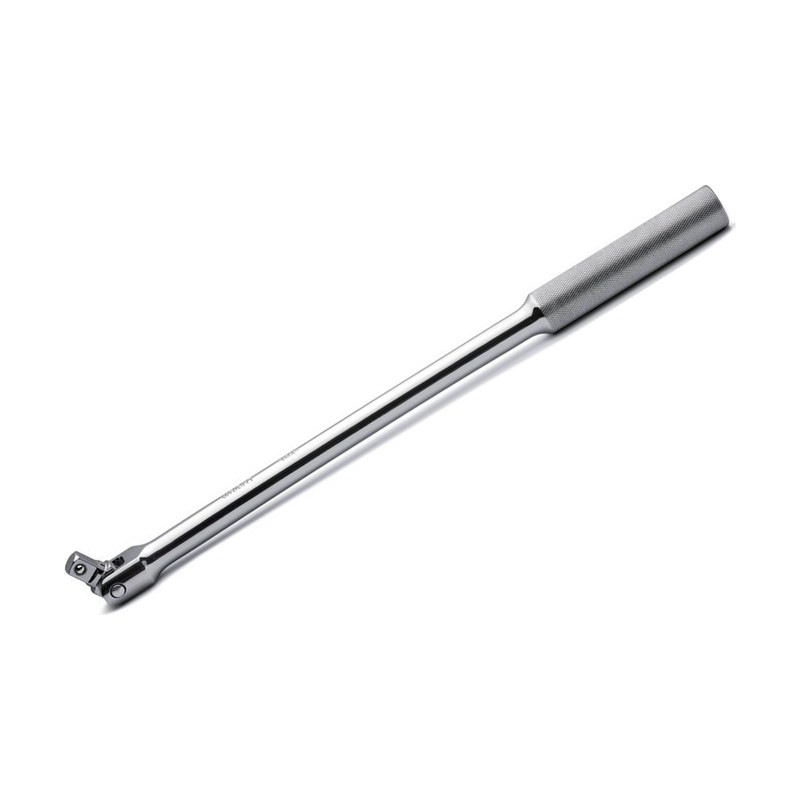
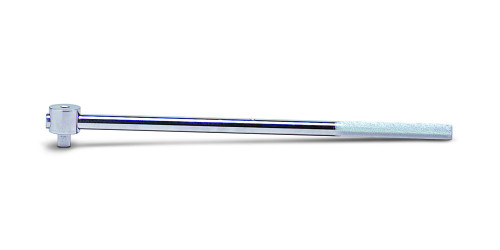
A breaker bar is the tool you reach for when a ratchet won't move a rusted lug nut or a crank bolt that was torqued at the factory. At BRAIGG, this category holds Wright Tool flex handles from a 5 inch handle in 1/4 drive up to a 26 inch handle in 1 inch drive, plus locking bull bars, sliding T handles, speeders and spinners. A long, solid handle with a pivoting head gives you leverage without loading up ratchet pawls. Pair one with a good 6 point socket and most stuck fasteners give up.




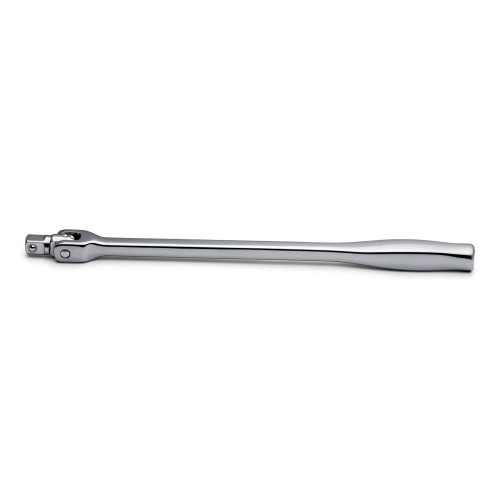
Why a breaker bar beats a cheater pipe
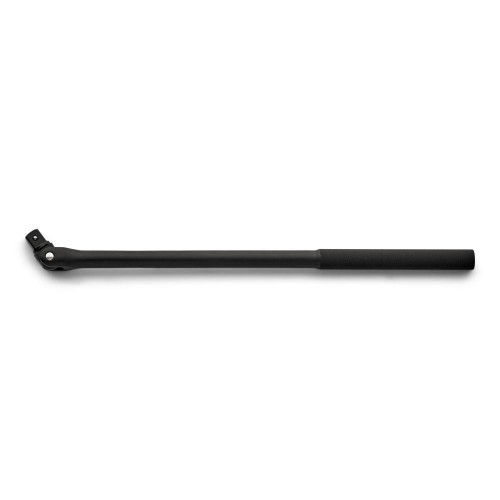
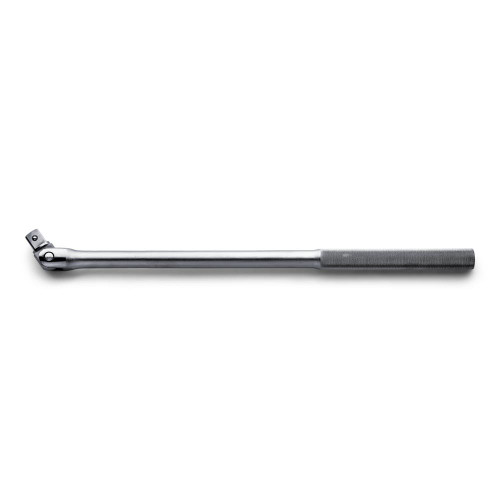
Torque is your pull times the length of the handle. Move from a 10 inch handle to a 24 inch handle and the same pull puts more than twice the twist on the bolt. A pipe slipped over a ratchet multiplies torque the same way, but it puts all of that load through a small pawl and a few teeth. That is how ratchets break and knuckles get split. A flex handle has no mechanism to fail. The head is a solid drive tang on a pin, so the whole bar carries the load.
The pivoting head also lets you swing the handle out of the way of a frame rail or a tire, then set it square for the big pull. Once the bolt cracks loose, flip the head up and spin the socket by hand, or switch to a ratchet for the run out.
Picking a 1/2 breaker bar and other drive sizes
Match the bar to the socket drive you already own, and to the size of the job.
- 1/4 drive: the 5 inch contour grip flex handle is for small fasteners that are stuck, where a 1/4 ratchet would strain.
- 3/8 drive: knurled, nitrile comfort and contour grip handles from 8-15/32 to 10-3/4 inches. Good for caliper brackets, exhaust studs and seized sensor bolts.
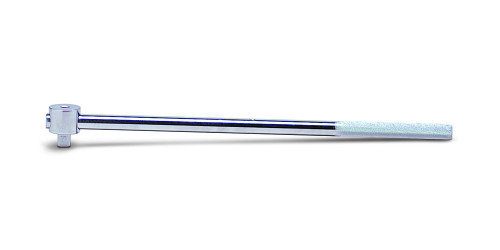
- 1/2 drive: the 1/2 breaker bar is the one most garages wear out. Wright offers knurled handles at 10-5/8, 18 and 24 inches, an 18 inch nitrile comfort grip, a 16-9/16 inch contour grip, and an 18 inch black industrial version. Lug nuts, axle nuts and suspension bolts live here.
- 3/4 and 1 inch drive: a 22 inch knurled 3/4 drive flex handle, a 23-5/8 inch black industrial 3/4 drive handle, and a 26 inch knurled 1 inch drive handle. The bull bars are covered below. This is truck, farm and plant equipment territory.
Bull bars with locking heads
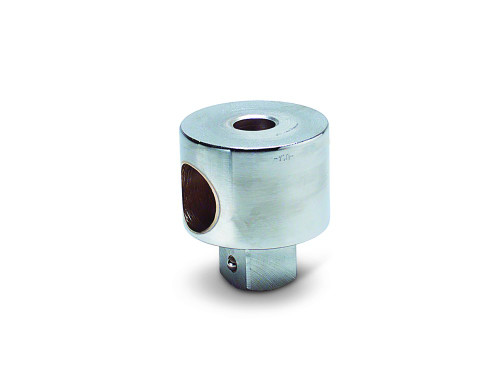
A loose flex head can flop over in the middle of a heavy pull. Wright's bull bars fix that. The 6440 is a 24 inch 3/4 drive bar with a locking head and knurled grip. The 8440 is a 30 inch 1 inch drive bar with a two position locking head. Both have renewal kits (6441 and 8441), so a worn head can be rebuilt instead of scrapping the whole bar.
Sliding T handles, speeders and spinners
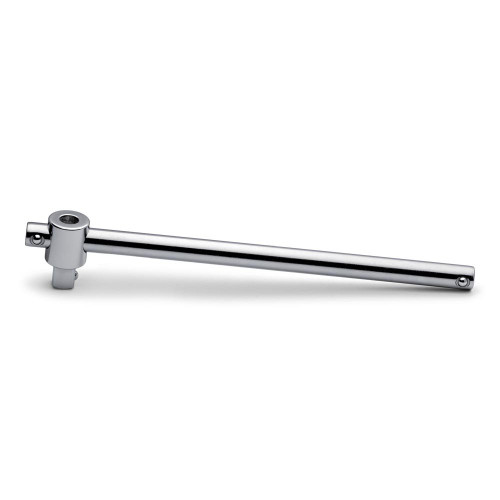
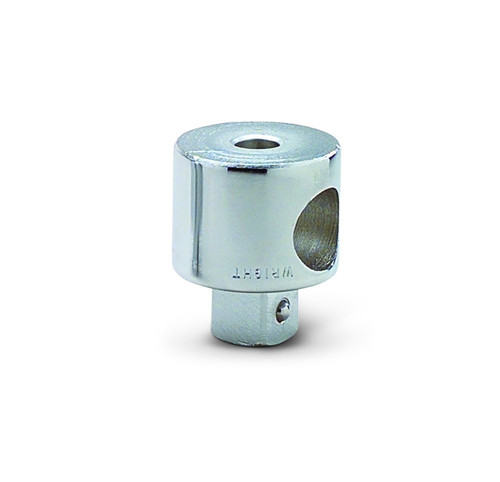
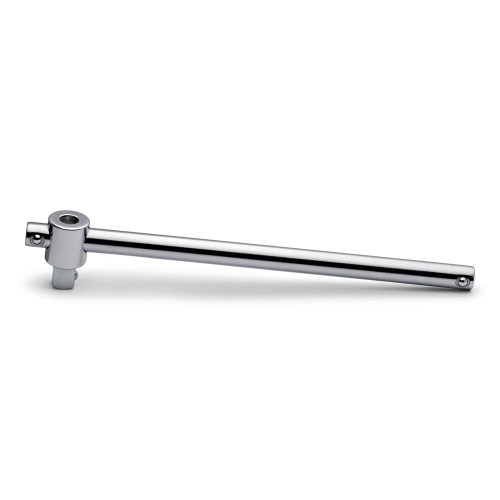
Some of these handles are about speed and reach, not force. A sliding T handle lets you center the head for a straight two-hand pull or slide it to one end for reach. Wright makes them in 3/8 drive (7 inch), 1/2 drive (10-11/16 inch), 3/4 drive (17-1/2 inch) and 1 inch drive (22 inch).
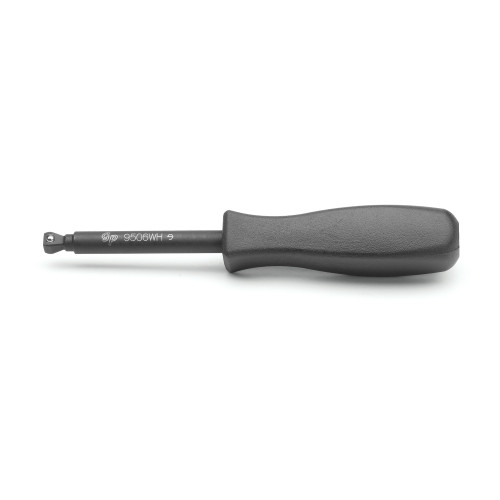
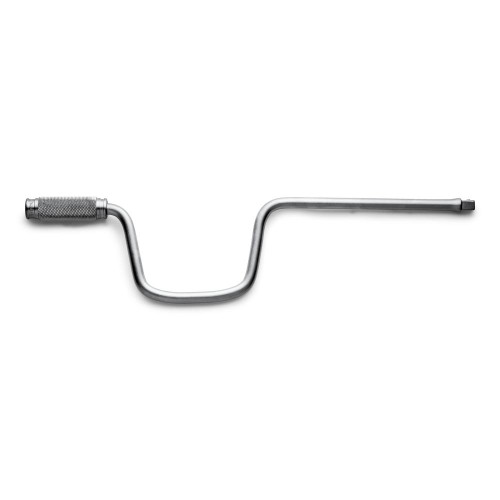
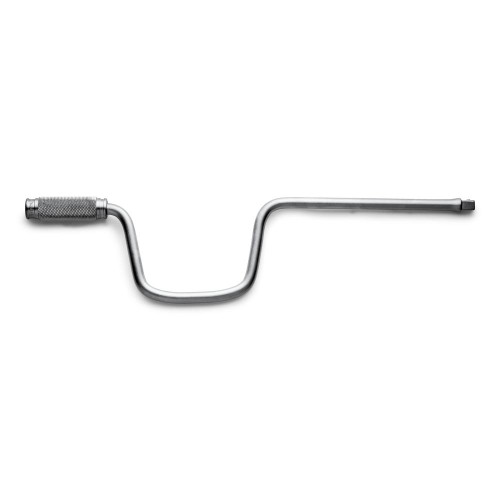
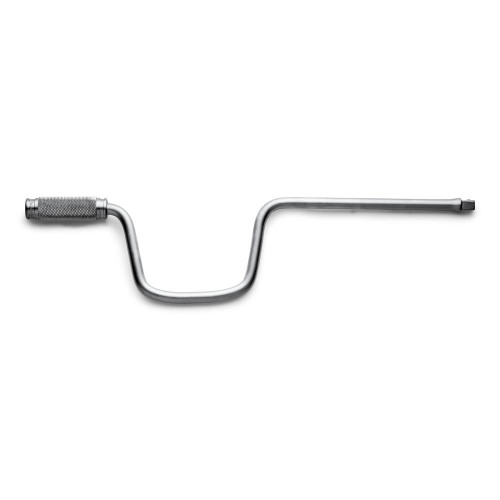
A speeder handle is a crank brace for sockets. Once a fastener is loose, you can spin a long run of thread off much faster than you can with a ratchet. Wright speeders come in 1/4 drive at 16 inches, 3/8 drive at 16-1/2 inches and 1/2 drive at 19 inches. Spinners are the small screwdriver-style handles for running 1/4 drive sockets on and off, and there's a 3/8 drive wheel grip spinner that fits in a tight spot.
Breaker bar vs ratchet
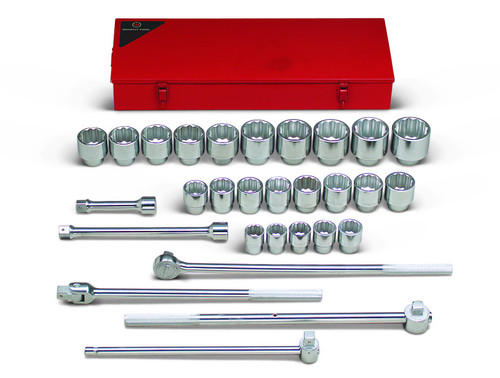
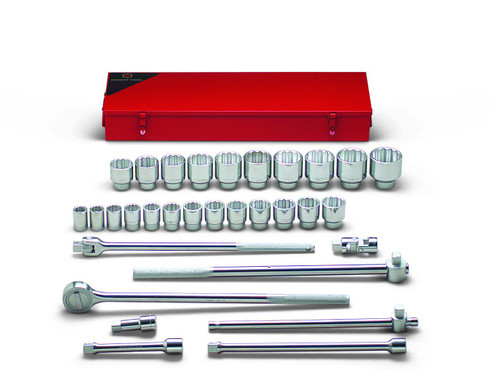
Use the bar to break it loose and the ratchet to finish. A ratchet is quick but has a limited load rating. A bar is slow but strong. Never use either one for final tightening to a spec. That job belongs to a torque wrench. When the bar alone isn't enough, use chrome hand sockets in good condition, add penetrating oil and some patience, and keep the socket fully seated. A cracked socket under a long bar is dangerous. For big drives, Wright's 3/4 and 1 inch socket sets (the 631 and 829) already include a flex handle, bull bar and sliding T. Use an extension only as long as you need, since a long extension flexes and lets the socket walk off the fastener.
Frequently asked questions
What size breaker bar do I need for lug nuts?
For cars and light trucks, a 1/2 drive breaker bar in the 18 to 24 inch range handles almost any lug nut. Use it with a 6 point socket in the right size so the corners of the nut don't round off. Heavy truck wheels usually call for 3/4 or 1 inch drive tools.
Is a flex handle the same as a breaker bar?
Yes, in most shops the two names mean the same tool. It's a long, solid handle with a pivoting drive head and no ratcheting mechanism. Wright calls theirs flex handles and offers them in knurled, nitrile comfort, contour and black industrial grips.
Can I put a pipe on a breaker bar for more leverage?
It's a common shop habit, but it's risky. Extra length multiplies the load on the socket, the drive tang and the fastener, and something can let go suddenly. If a long bar won't move the bolt, step up a drive size, use heat or penetrating oil, or move to a torque multiplier.
What is a bull bar?
A bull bar is a heavy flex handle with a head that locks in position, so it doesn't flop over during a hard pull. Wright makes a 24 inch 3/4 drive bull bar and a 30 inch 1 inch drive bull bar with a two position locking head, and sells renewal kits for both.
What is a speeder handle used for?
A speeder handle is a crank-shaped socket driver. After a fastener is broken loose, you turn the crank to spin it off quickly, which saves time on long bolts or rows of fasteners. It isn't meant for breaking bolts loose or for final torque.