
-

-
-
-

-
KUKKO
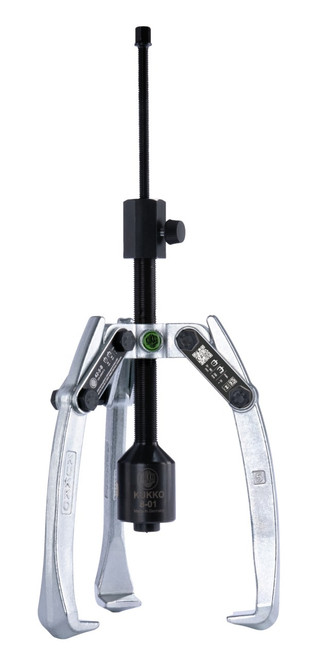
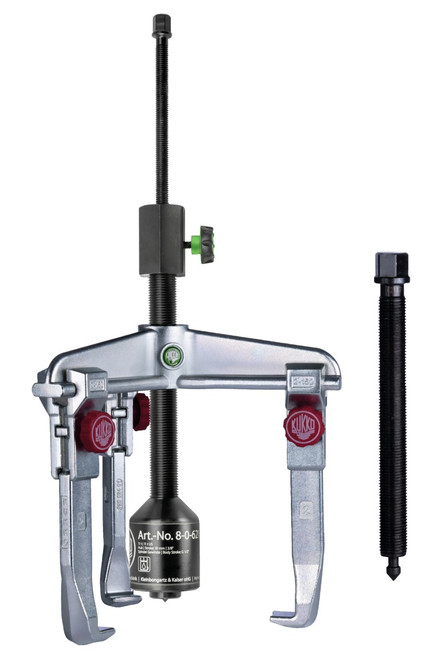
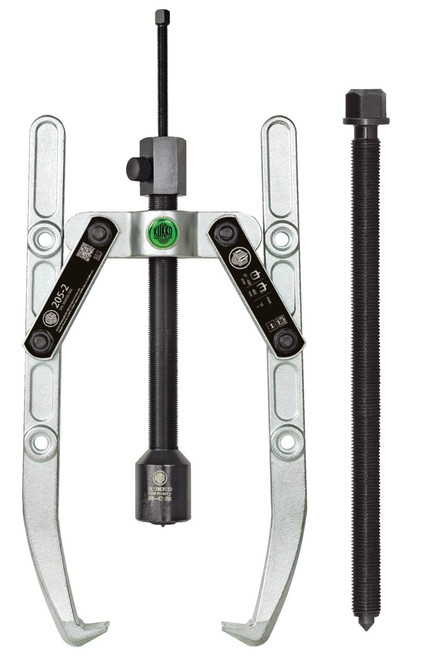
KUKKO 3-Jaw Universal Puller with Quick-Adjust Jaws and Hydraulic Spindle
Choose options for price
-
-
-
-

-
KUKKO
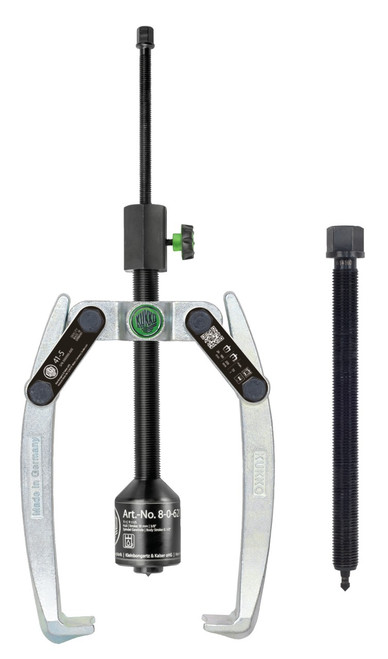
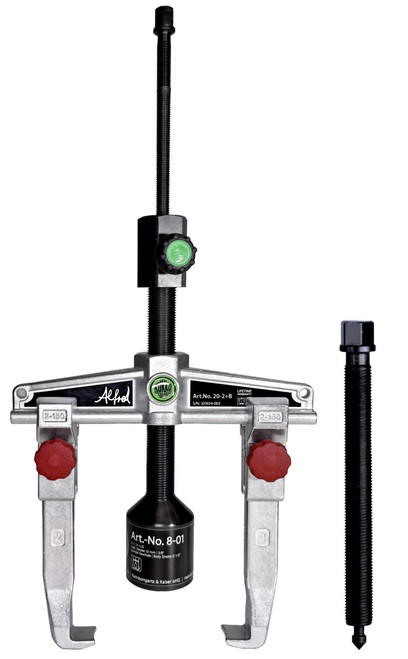
KUKKO 2-Jaw Universal Puller with Quick-Adjust Jaws and Hydraulic Spindle
Choose options for price
-
-
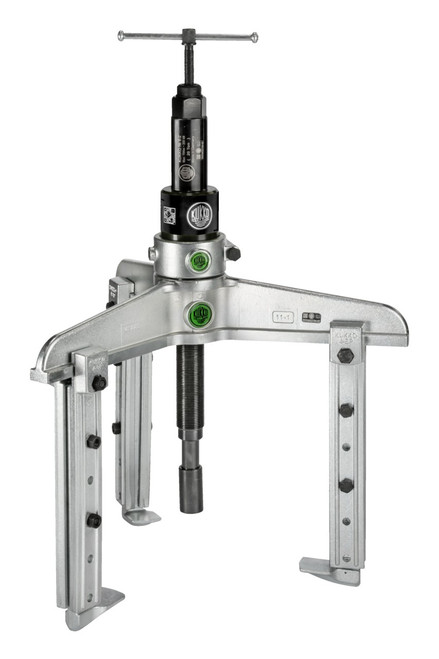
KUKKO
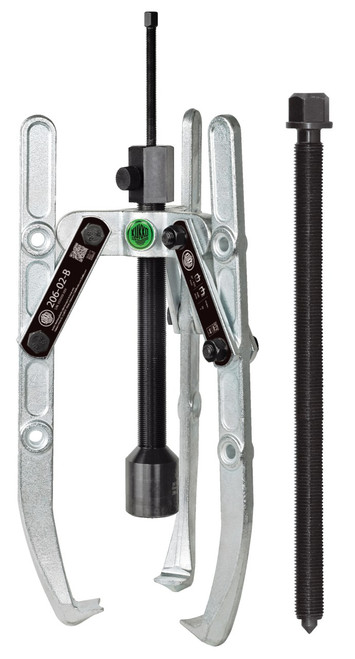
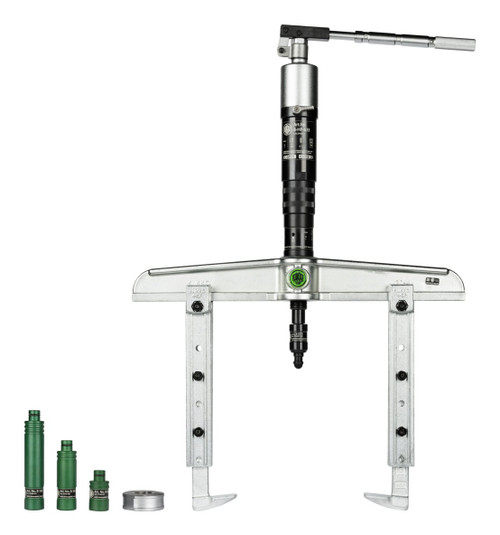
KUKKO Extra-Strong 3-Jaw Universal Hydraulic Puller with Adjustable Reach
Choose options for price
-
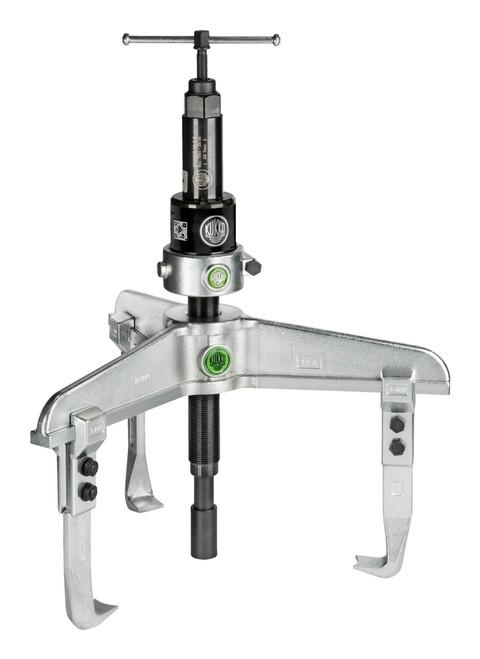
Hydraulic Pullers
A hydraulic puller applies force through a hydraulic spindle or cylinder while jaws or a separator support the part being removed. At BRAIGG, the KUKKO selection includes compact hydraulic-spindle tools, larger hollow-piston systems, and equipment for specific wheel hub jobs. Choose by where the tool can grip, the diameter it must span, the reach it needs and the rating of the complete assembly. More force cannot fix jaws sitting on the wrong edge. Below, we separate the main configurations and show a few model-specific dimensions so you can narrow the choice before loading the tool.
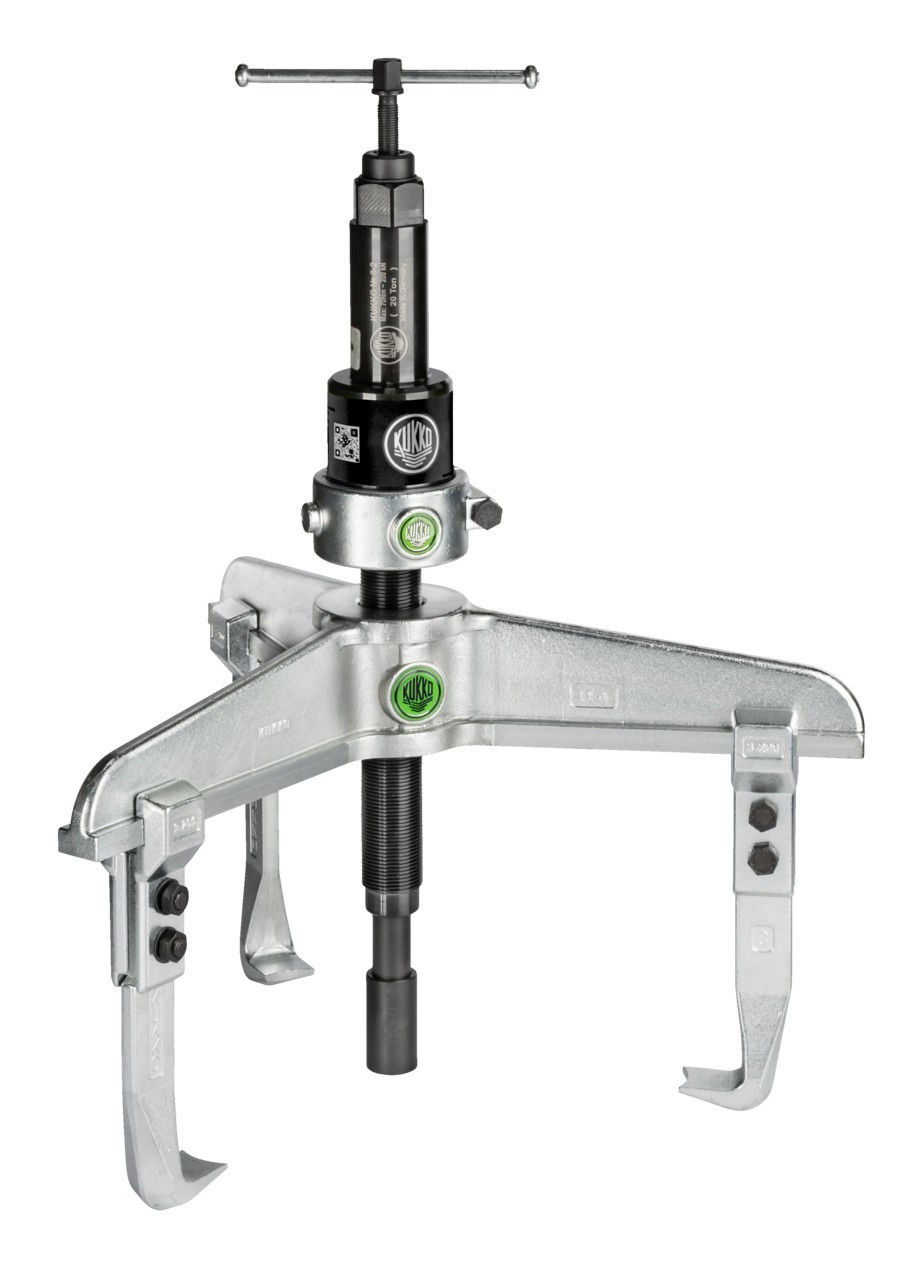
Choose a hydraulic puller by fit first
Measure the outside diameter at the intended jaw contact and the axial distance the tool must reach. Then check clearance behind the part. A jaw that reaches the back edge but cannot seat fully is not ready to load. Also check minimum spread: a large puller may not close far enough around a small part.
For a concrete starting point, KUKKO's 20-2+B quick-adjust model lists an external spread of 11 to 160 mm, roughly 7/16 to 6-5/16 in, and a reach of 150 mm, about 5-7/8 in. Its listed maximum force is 10 t. Those dimensions and that force belong to this item, not every tool in the family.
Hydraulic spindles and hollow-piston systems
A self-contained grease-hydraulic spindle builds pressure within the spindle assembly. A hollow-piston arrangement uses a separate cylinder and pump configuration. Check what the specific product includes before planning the job. Buying a frame alone does not give you a working hydraulic system.
KUKKO's Y28-205 adjustable-reach model lists external spread up to 420 mm, about 16-9/16 in, reach of 300 mm, about 11-13/16 in, and 20 t maximum force. The Y28-215 has the same maximum spread and force but 600 mm reach, about 23-5/8 in. That difference matters when the grip point is far behind the shaft end.
Do not select a hydraulic puller from pressure alone. Two cylinders at the same pressure can produce different forces because their piston areas differ. Use the manufacturer's force rating and the limits of the assembled tooling.
Hydraulic gear puller: two jaws or three?
A hydraulic gear puller needs sound contact behind the gear, pulley or hub and a centered reaction point on the shaft. Two opposed jaws can suit a layout with only two usable access positions. Three jaws distribute the grip around three positions on a round part, provided every jaw seats properly.
Browse 2-jaw pullers and 3-jaw pullers for those configurations. KUKKO's 30-2+B hydraulic jaw puller lists 160 mm maximum external spread, about 6-5/16 in, 150 mm reach and 10 t maximum force. Read how to use a gear puller for setup guidance.
Use a separator when there is no jaw purchase
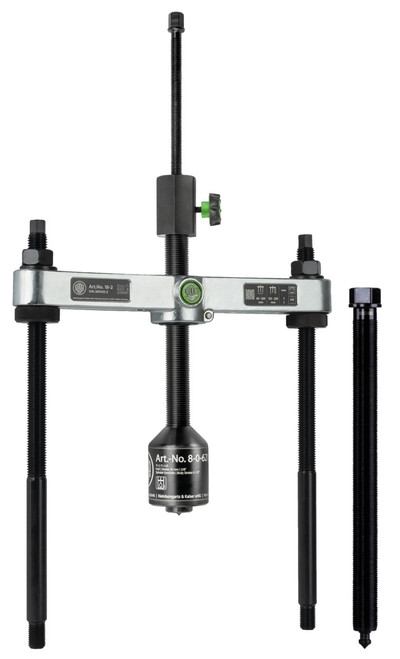
A bearing close to a shoulder may leave too little room for ordinary jaw tips. A compatible separator supports it from behind and connects to a pulling bridge. KUKKO's 18-2-B separator puller lists 68 to 244 mm puller spread, about 2-11/16 to 9-5/8 in, 260 mm reach, about 10-1/4 in, and 10 t maximum force. Its listed separator cross-references are 17-2 and 15-2.
Choose matching bearing separators, not just one with a similar opening. The bridge, rods, separator and drive all need to form a compatible assembly. Our guide to using a bearing puller explains why the grip point matters.
Wheel hubs and complete equipment
A hydraulic hub puller is application-dependent. Wheel attachment and axle compatibility matter alongside force. KUKKO's Citaro mobile unit uses a 30 t cylinder, but its specification lists particular ZF axle applications. It is not a universal answer for every passenger vehicle. Check the relevant wheel hub and axle pullers against the vehicle and mounting arrangement.
If you want a hydraulic puller set, check the component list for the exact item. Confirm the cylinder, pump arrangement, jaw options and connecting parts rather than assuming a product photo shows every included part.
Keep the load centered and contained
Wear eye protection and use a suitable puller guard or protective cover over the loaded assembly. Keep the spindle centered. If a jaw moves or the frame tilts, release pressure before resetting it. Never add a cheater bar, exceed any component's rating or use heat near hydraulic seals and hoses.
The wider pullers and extractors selection covers other gripping methods. Decide where the tool can grip, then confirm the force rating.
Frequently asked questions
How does a hydraulic puller work?
The hydraulic spindle or cylinder pushes against a reaction point, commonly the shaft end, while the jaws or separator hold the part being removed. Pressure creates force at the piston. The tool still needs full jaw seating, enough reach and a centered setup; hydraulics do not correct an unsuitable grip.
Do all hydraulic pullers need a separate pump?
No. A self-contained grease-hydraulic spindle builds pressure within the spindle assembly. A separate hollow-piston system uses a cylinder and pump arrangement. Read the component list for the exact item before buying, since the presence of a hydraulic frame does not establish that every cylinder, hose or pump is included.
How much pulling force do I need?
You cannot reliably choose pulling force from bearing diameter alone. Fit, corrosion, contact geometry and the service procedure all matter. Choose tooling with adequate spread and reach, then follow the ratings for the complete assembly. Never use more force to compensate for a jaw that cannot seat or a part still mechanically retained.
Can a hydraulic puller remove a bearing against a shoulder?
A compatible separator arrangement may work when ordinary jaw tips cannot seat behind the bearing. KUKKO's 18-2-B lists separator cross-references 17-2 and 15-2. Check the bearing clearance and the complete assembly's ratings before loading it; a similar opening is not enough to establish that separate components fit together.
Is a hydraulic hub puller universal?
Not necessarily. A hub tool must match the mounting arrangement and the vehicle or axle application as well as the required force. For example, KUKKO lists specific ZF axle applications for its Citaro mobile hydraulic unit. Check that application information rather than selecting a hub tool solely by its cylinder rating.