
Automotive & Truck Pullers
A seized ball stud or a rusted truck hub won't come apart with a pickle fork and a big hammer, at least not without wrecking the boot or the knuckle. At BRAIGG, this category holds the KUKKO tools made for those jobs: the series 129 ball joint puller range for cars, vans, trucks and low-floor buses, tie rod pullers with hydraulic options, separating forks, truck wheel hub pullers up to 250 mm (about 9.8 in), and a few specialists for wiper arms, battery terminals and wet cylinder liners. Most of them are made in Germany.







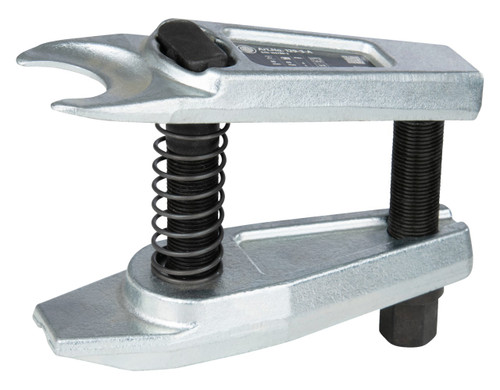
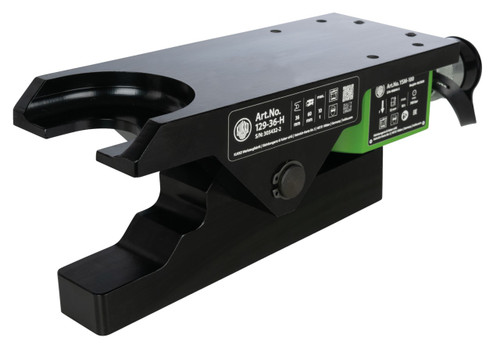
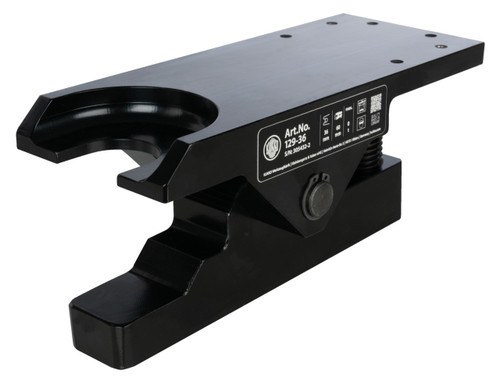

How a ball joint puller works
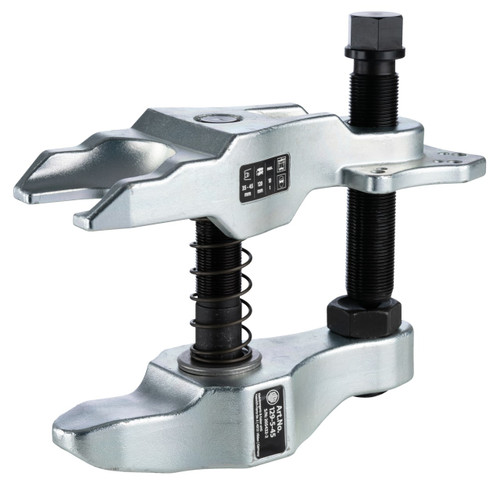
A ball joint puller is a small press. The fork slides under the joint housing, and the spindle bears on the end of the ball stud. Turn the spindle and the stud pops out of its tapered seat in the knuckle or steering arm. KUKKO's series 129 uses lever transmission, so a short wrench swing turns into a lot of pressing force even where you can't get a long breaker bar in. On every 129 model the clamping range is set with the thread on the center spindle, so the tool sits tight before you start loading it.
Car and light truck models
- 129-1: the compact one for cars and light commercial vehicles, for ball joints and tie rod ends on steering rods.
- 129-2: a universal tie rod puller with three jaw widths that covers passenger cars, vans and medium trucks. If you only buy one, this is the usual pick for a mixed shop.
- 129-25: a universal passenger car press that you pre-tension with the center spindle.
- 129-3-A: a ball joint puller made for cars with aluminum chassis parts, with a spring-set reach. A cast aluminum knuckle doesn't forgive side-loading, so a puller that pushes straight beats a fork you have to hammer.
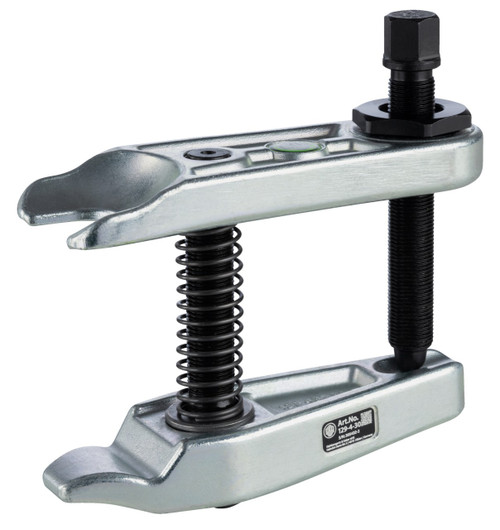
- 129-4-30: developed for the Audi R8. It frees the support joint without touching neighboring axle parts.
Truck pullers for steering joints
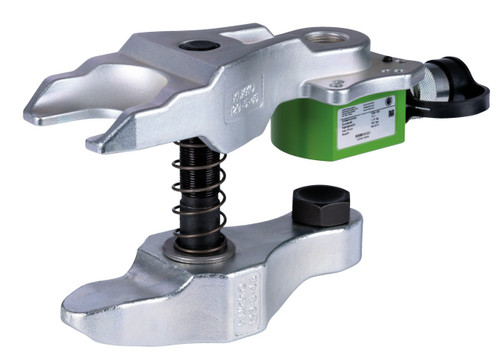
Truck pullers have to work harder, because heavy steering joints sit in big tapers and often have years of road salt in them. The 129-3 and 129-4 lever pullers handle medium and heavy trucks, buses and construction vehicles. For stubborn studs, the hydraulic ball joint puller versions 129-3-H and 129-4-H use a short grease-hydraulic spindle that KUKKO rates at an average of up to 15 tons. Up to 10 tons, or where room is tight, you can swap back to the mechanical spindle.
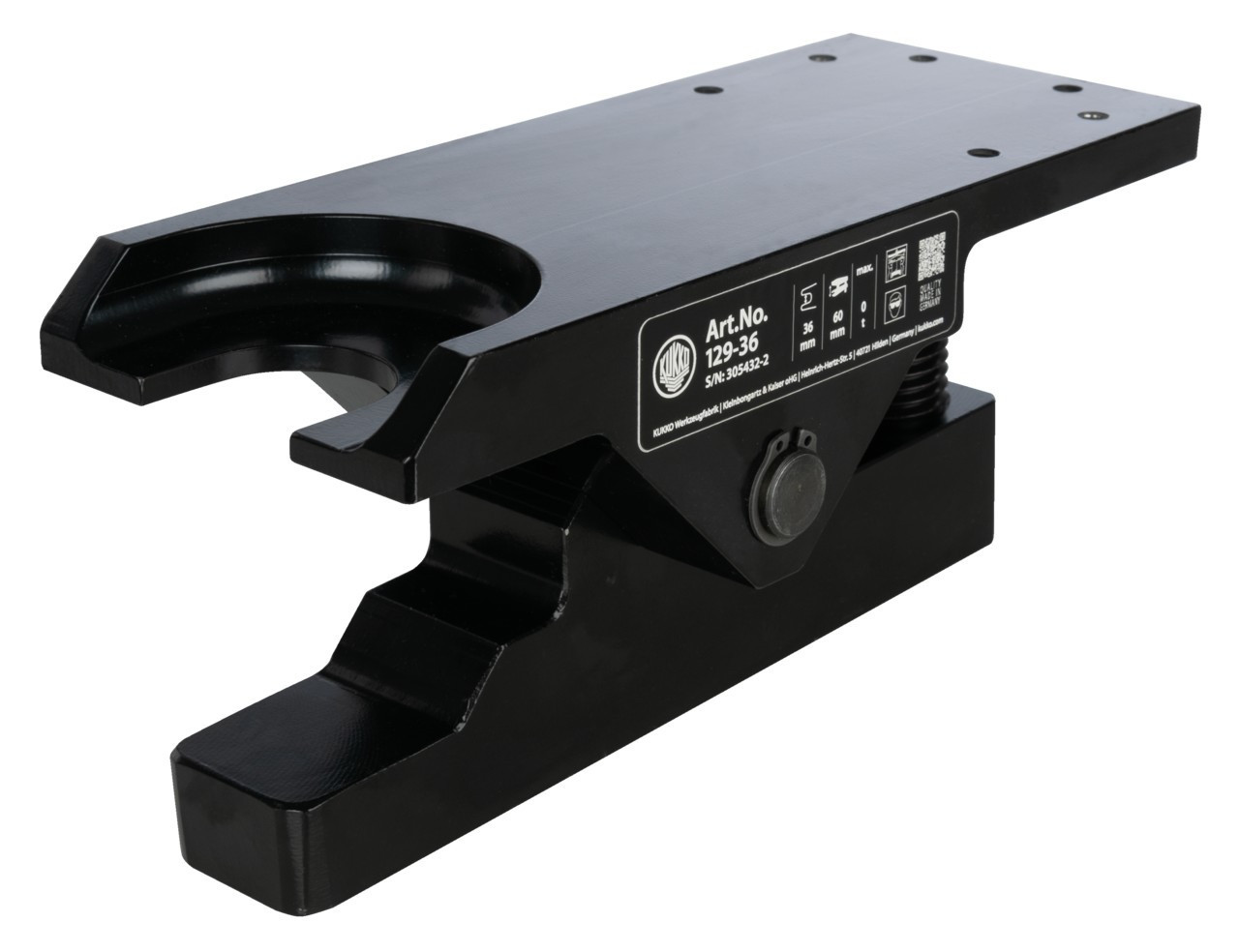
The 129-5 family steps up again, with mechanical, hydraulic spindle and lift-cylinder versions. The lift-cylinder pullers run off a separate pump and hose (KUKKO YHP-320 and YF-200, not included), so plan for those if you don't already own them. The 129-36 and 129-36-H have a low body for drag links and tie rods on low-floor buses such as the Mercedes-Benz Citaro and MAN models. For joints frozen in the cone seat, the 129-6 universal comes with three separator jaws.
Ball joint separator forks
The series 135 separating forks are the wedge style: drive the fork between the joint and the arm to break the taper. KUKKO lists them for wedged ball joints, steering levers and shock absorber removal. A fork is quick, but it can tear the boot, so use it when the joint is being replaced anyway. If you're keeping the tie rod end, reach for a ball joint puller instead.
Wheel hub pullers and other specialists
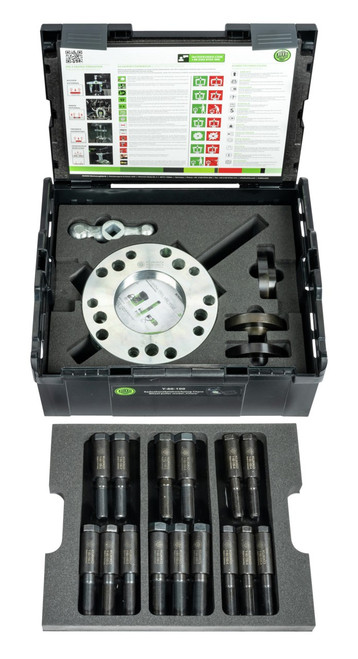
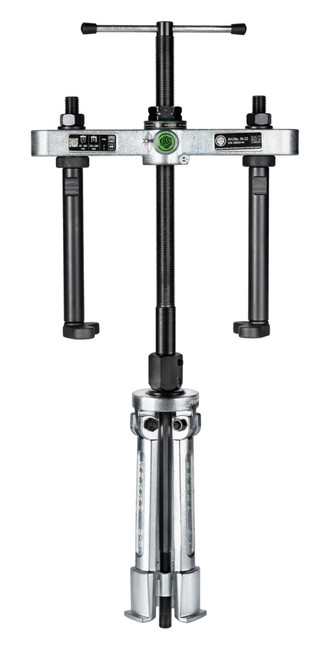
For truck hubs, the series 38 wheel hub puller takes up to five sliding jaws on a disc crossbar and reaches 250 mm. The impact model (3 or 5 jaws, up to 225 mm, about 8.9 in) has a spindle bushing that moves axially, so you can strike the spindle head to shock a stuck hub loose. Bigger jobs go to the Y-60 hydraulic hub puller with a 30 t cylinder for trucks and low-floor buses, or the 15-piece K-226 set for SAF and BPW trailer axles.
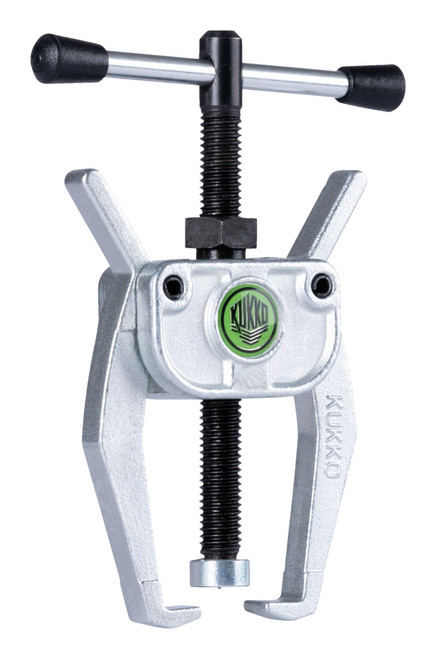
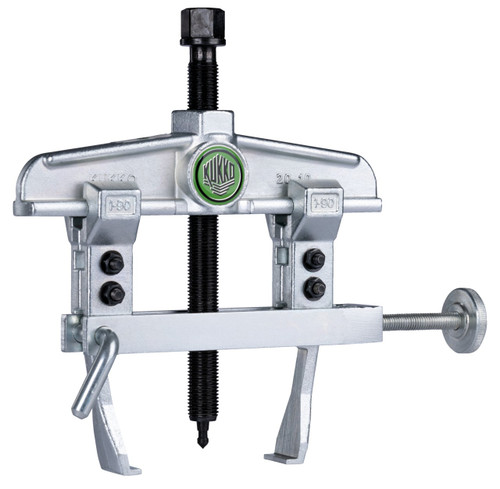
The rest of the category covers smaller jobs: the 142 series wiper arm pullers for rusted arms, the series 48 battery terminal puller with self-centering jaws, the 20-10-V 2-jaw puller for VW and Audi transmission gears from 2007 on (120 mm spread, 100 mm reach), and the series 16 cylinder liner puller for wet liners.
Safety and setup tips
- Leave the castle nut threaded on a few turns before pressing. When the stud lets go, the knuckle can't drop.
- Keep the spindle centered on the stud. An off-center spindle mushrooms the stud end and can kick the tool sideways.
- Wear eye protection. Tapers release with a bang, and rust scale flies.
- Grease the spindle threads now and then. A dry spindle wastes force and wears the thread.
- On hydraulic tools, stop and re-seat if the fork starts to tip. Don't keep pumping against a cocked tool.
For bearings and gears, see our jaw pullers and hydraulic pullers. Brake and steering service tools are under brake and suspension tools, and the full range lives in pullers and extractors.
Frequently asked questions
What is the difference between a ball joint puller and a ball joint separator?
A ball joint puller is a press: it clamps the joint and pushes the stud out of its taper with a spindle, without damaging the boot. A ball joint separator, or pickle fork, is a wedge you drive between the parts. The fork is faster but often tears the boot, so use it only when the joint is being replaced.
Which KUKKO ball joint puller fits most passenger cars?
The 129-2 is the usual choice for a general shop. It comes with three jaw widths and KUKKO lists it for passenger cars, vans and medium trucks. The smaller 129-1 suits cars and light commercial vehicles, and the 129-3-A is made specifically for cars with aluminum chassis parts.
Do the hydraulic truck tie rod pullers include a pump?
No. The 129-5 lift-cylinder pullers need a KUKKO YHP-320 hydraulic pump and YF-200 hose, which are sold separately. The 129-3-H, 129-4-H and 129-5-H use a grease-hydraulic spindle instead. You turn those with a wrench, and they need no pump at all.
How much force do the hydraulic spindle models produce?
KUKKO rates the short grease-hydraulic spindle on the 129-3-H and 129-4-H at an average pulling force of up to 15 tons. For jobs up to 10 tons or in tight spots, you can fit the mechanical spindle instead. The Y-60 wheel hub puller uses a 30 t cylinder.
Can I use these pullers on aluminum suspension parts?
Yes, with the right model. The 129-3-A series is made for cars with aluminum chassis, and the 129-4-30 was developed for the Audi R8 so the support joint comes out without contacting other axle components. Avoid hammering or wedge forks on aluminum knuckles, since the casting can crack.