
-
Grey Pneumatic
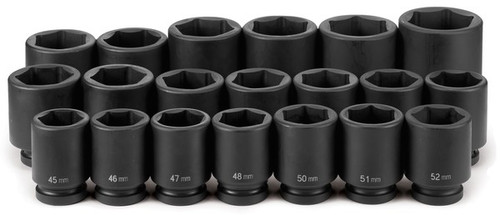
Grey Pneumatic 9020MD 1" Drive 20-Piece Deep Metric Impact Socket Set 45mm to 75mm
$1,772.96 -

Grey Pneumatic
Grey Pneumatic 9020M 1" Drive 20-Piece Metric Impact Socket Set 45mm to 75mm
$1,208.33 -

Grey Pneumatic
Grey Pneumatic 9016D 1" Drive 16-Piece Deep Fractional Impact Socket Set 2-1/16" - 3"
$1,819.79 -
Grey Pneumatic
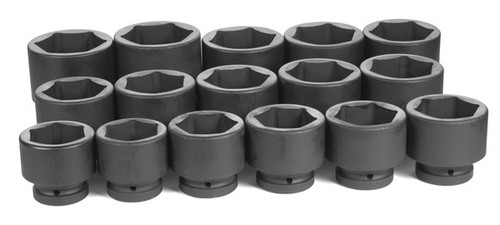
Grey Pneumatic 9016 1" Drive 16-Piece Fractional Impact Socket Set 2-1/16" - 3"
$1,260.40 -

Grey Pneumatic
Grey Pneumatic 9011MD 1" Drive 11-Piece Deep Metric Impact Socket Set 76mm to 115mm
$4,489.83 -

Grey Pneumatic
Grey Pneumatic 9011M 1" Drive 11-Piece Metric Impact Socket Set 76mm to 115mm
$3,142.34 -
Grey Pneumatic
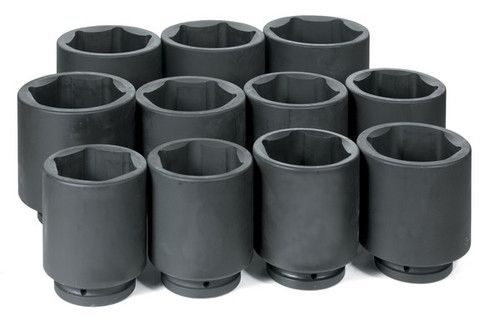
Grey Pneumatic 9011D 1" Drive 11-Piece Deep Fractional Impact Socket Set 3-1/8" - 4-1/2"
$3,969.29 -

Grey Pneumatic
Grey Pneumatic 9011 1" Drive 11-Piece Fractional Impact Socket Set 3-1/8" - 4-1/2"
$2,716.84 -

Grey Pneumatic
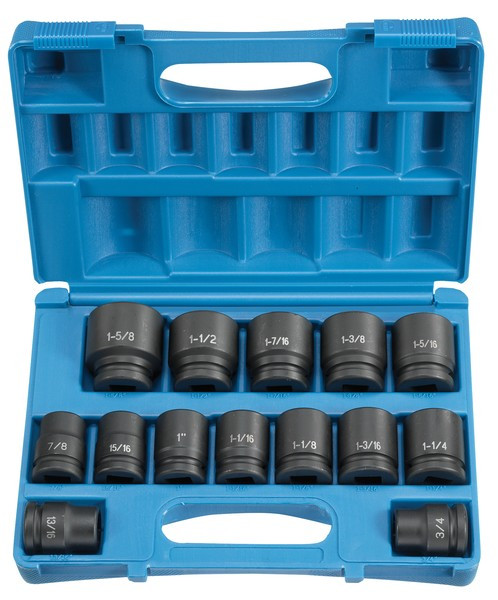
Grey Pneumatic 8313 3/4" Drive 13-Piece Standard Impact Socket Set - 12 Point
$227.37 -

-

-
Grey Pneumatic
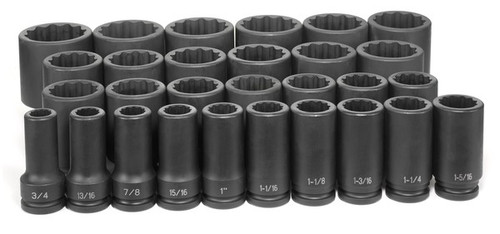
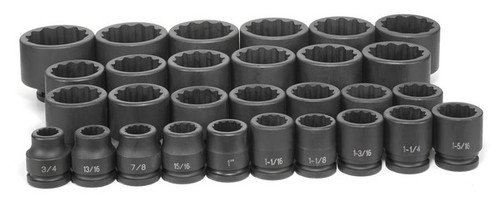
Grey Pneumatic 8129D 3/4" Drive 29-Piece Deep Fractional Master Impact Socket Set - 12 Point
$1,565.57 -
-
-
Grey Pneumatic
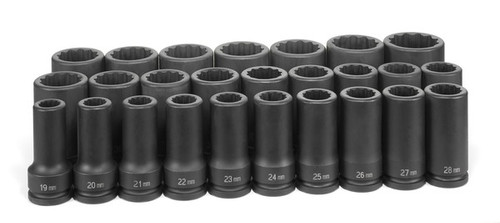
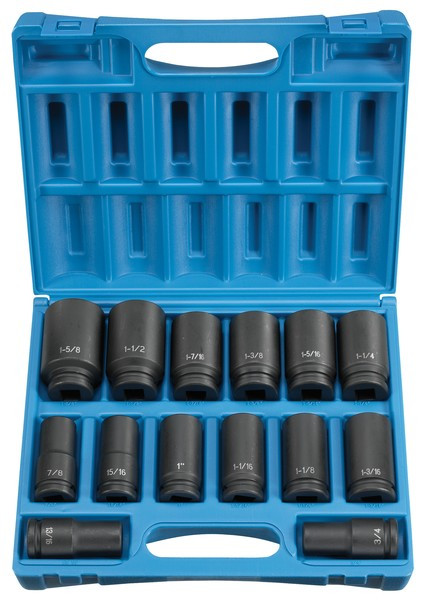
Grey Pneumatic 8126M 3/4" Drive 26-Piece Metric Master Impact Socket Set - 12 Point
$533.59 -
-
-
-
-
Grey Pneumatic
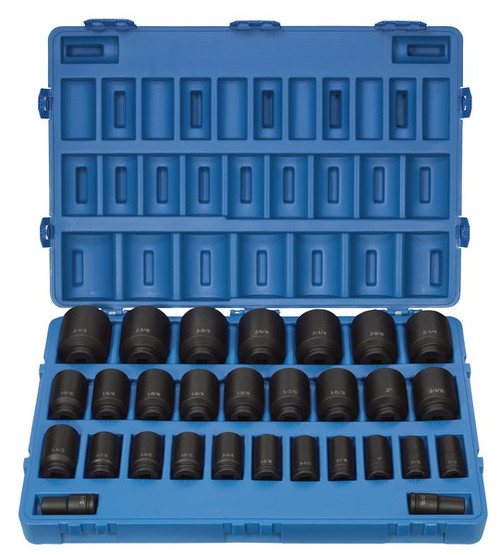
Grey Pneumatic 8029D 3/4" Drive 29-Piece Deep Fractional Master Impact Socket Set 3/4-2-1/2"
$1,109.39
Oil, Gas & Utilities
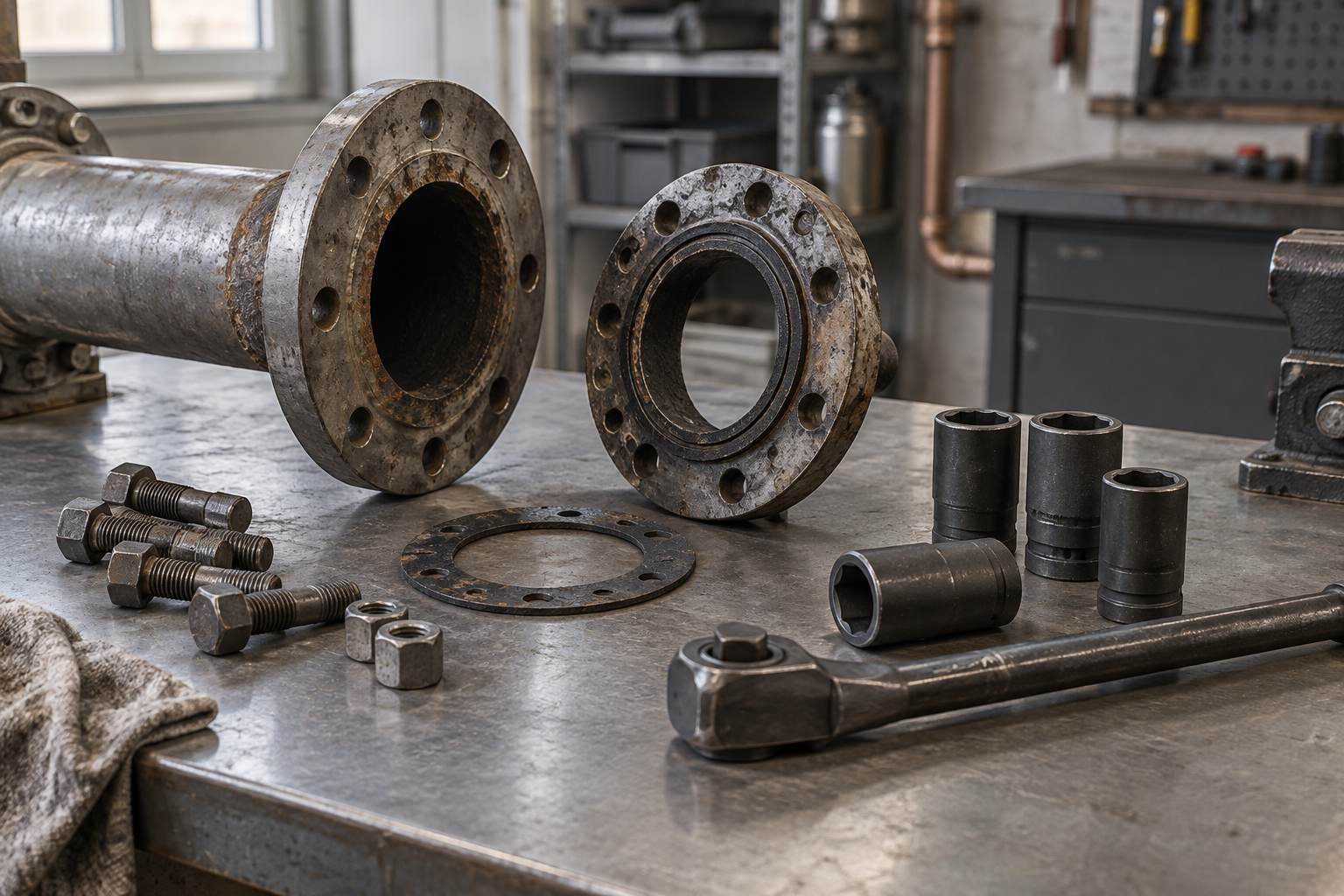
Shop oil and gas tools for mechanical bolting, pipe work and flange maintenance at BRAIGG. This collection brings together selected large-drive impact socket families, striking and leverage wrenches, pipe wrenches, torque tools and flange spreaders. Begin with the fastener, available working space and required tightening method. Then compare drive interfaces, operating ranges and access dimensions in the individual product information. The grid below groups families for these mechanical tasks. The tool-type links open the full categories when you need to compare alternatives beyond the industry selection or check another size and style.
Shop by tool type
These links open the full tool categories, not a filtered industry selection.
Select oil and gas tools within the job limits
This is an ordinary mechanical-tool selection, not a recommendation for hazardous areas or energized utility work. The category does not establish non-sparking, insulated or explosion-protected suitability. Site procedures, equipment isolation and the manufacturer's conditions determine what tools may be used. Resolve those requirements before selecting the tool. Once the work is cleared for the intended method, focus on the actual joint and access rather than choosing by industry label alone. Keep the work instruction available when checking the tool specifications.
Check large-drive socket interfaces
The selected oil and gas tools include impact socket families in 3/4 inch drive and larger, along with specialist #5 spline items. Square drive and spline interfaces are different connections. Check the driving tool, socket and every intermediate accessory before assembling the setup. Browse the full impact sockets category for other openings and depths, but confirm the impact designation for each item. A socket that fits the nut can still be too long for the available clearance or incompatible with the drive equipment.
Choose the wrench for the fastener
A pipe wrench, adjustable wrench and striking wrench are not substitutes for one another. Match the jaw or opening to the part being turned, and check how the tool is intended to apply force. Use adjustable and pipe wrenches to compare jaw styles for ordinary mechanical work. The striking and slugging wrenches category provides a separate route for striking-face designs. Only use a striking method when the specific wrench is intended for it. Do not add improvised handle extensions to make up for a poor choice.
Plan torque and reaction together
For tightening work, select oil and gas tools around the specified torque, units, direction and available reaction space. The chosen families include large-drive torque wrenches and torque multipliers. Check the operating range rather than relying on drive size as a measure of torque capacity. Consult torque wrenches and multipliers for the full category. A multiplier also requires a suitable reaction arrangement and the manufacturer's input-to-output instructions. Adding a multiplier does not remove the need to plan the joint procedure or verify the setup.
Look beyond the flange gap
A spreader must suit the joint geometry and the permitted separation method. Compare the stated opening, reach and operating instructions with the flange arrangement before ordering. The broader spreaders and holders category contains tools for other tasks, so look for an explicitly named flange spreader. Plan how the separated parts will be supported and controlled; the tool name alone does not define the complete maintenance procedure. For repeat work, record the interface and access dimensions that made the setup fit.
Keep the kit specific
Build a list of the fastener openings, drive equipment and torque requirements used on your own assets. Then compare individual sizes and set contents against that list. The oil and gas tools in this grid cover different mechanical applications, so one family will not handle every joint. A useful kit starts with the work record, not the largest available drive. Inspect engagement surfaces and retention parts before use, and replace damaged items according to their instructions.
Frequently asked questions
Are these tools suitable for hazardous areas or energized utility work?
This page does not establish that suitability. It groups ordinary tools for mechanical bolting and pipe maintenance. Confirm site requirements and the specific manufacturer documentation before choosing equipment for a restricted area or electrical task. An industry category name is not evidence of protective properties or permission to use a tool.
What is the difference between #5 spline and square drive?
They are different tool connection systems. A #5 spline socket or accessory does not connect directly to a square drive simply because the fastener opening is the right size. Check both ends of each tool and any adapter, including its intended use, before deciding that the assembled setup is compatible.
How do I choose a torque multiplier?
Start with the required output torque and confirm the multiplier range, input connection and output drive. Read the maker’s instructions for the multiplication ratio and input setting. Check the proposed reaction point and available space before ordering. The reaction setup is part of the tool selection, not something to improvise afterward.
Can every heavy wrench be struck with a hammer?
No. Select a wrench specifically intended for striking if the work calls for that method, and follow its instructions. Handle size or a heavy appearance does not establish striking suitability. Check the opening, head style and access as well, since a striking-face wrench still has to engage the fastener correctly.
Do the flange spreader links show only the selected products?
The tool-type link opens the full spreaders and holders category, which includes other applications. The industry grid includes the selected flange spreader families. Read each description and operating instructions to confirm joint fit, working range and the required support arrangement rather than choosing from the category name alone.