
-
-
-
-
-
-
-
-
-
-
-
-
-
-
-
-
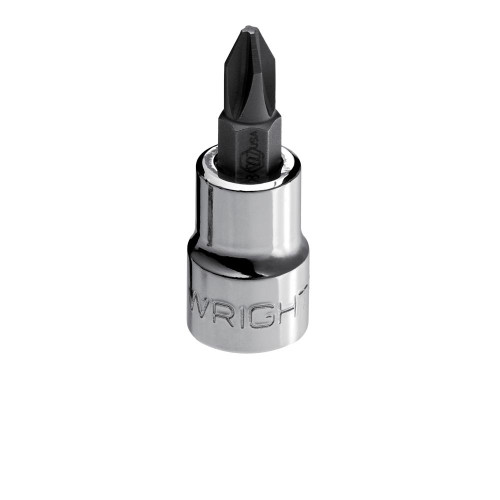
Wright Tool
Wright Tool 3/8" Drive Screwdriver Socket w/Standard Phillips Bit
Choose options for price
-

Wright Tool
Wright Tool 3/8" Drive Screwdriver Bit Socket w/Standard Slotted Bit
Choose options for price
-

-
-
Manufacturing & Assembly
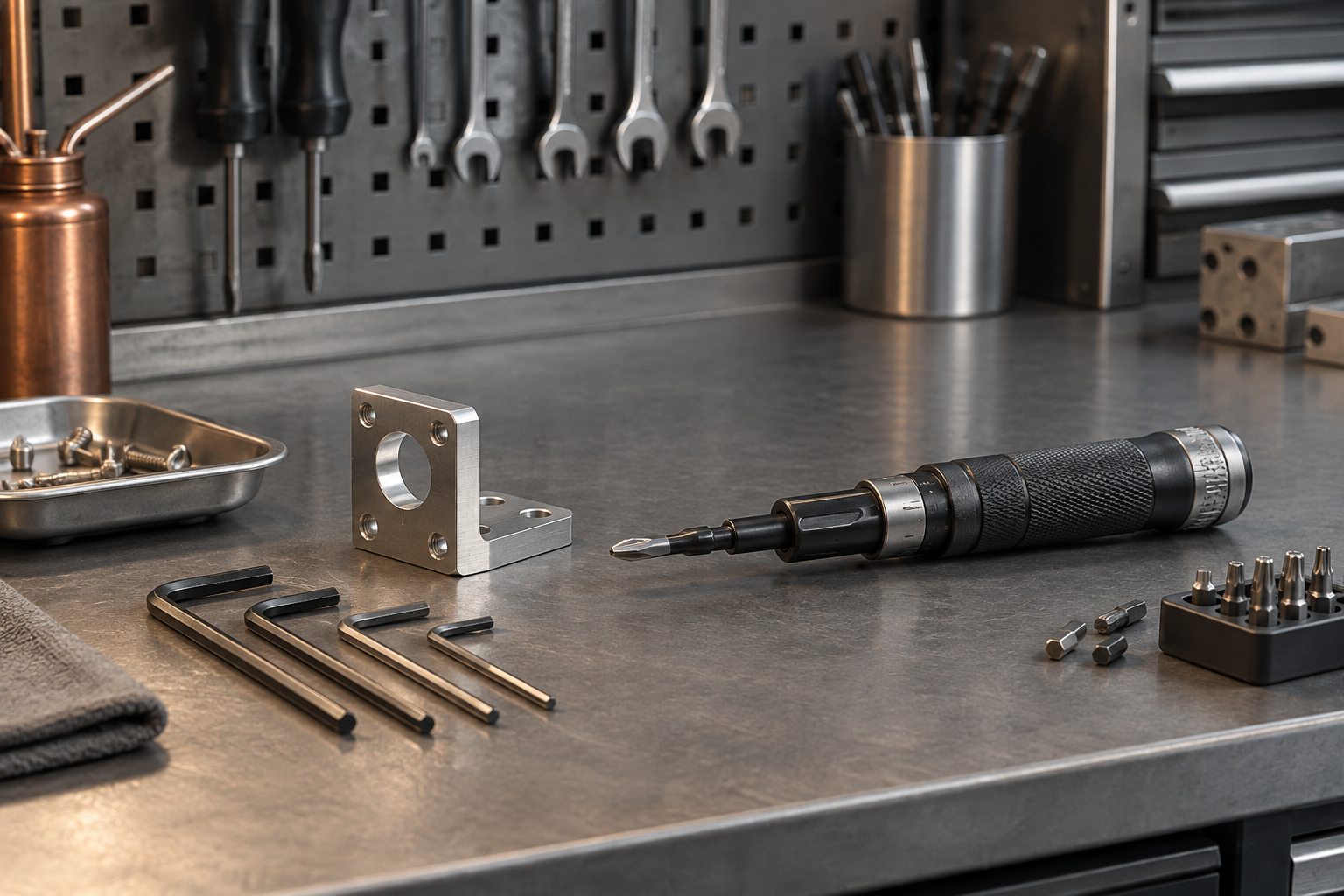
Choose assembly tools for the screw, access and tightening requirement at your workstation. At BRAIGG, this collection combines complete torque screwdrivers, selected torque wrenches through 1/2 inch drive, bit sockets, hex keys and T-handle drivers. Start with the fastener recess and required torque units, then check the holder or drive connection. Small differences matter when similar screws sit beside one another on a bench. Browse the selected families in the grid below, or use the tool-type links to compare full categories. This page focuses on manual fastening equipment rather than cordless tools or general machining supplies.
Shop by tool type
These links open the full tool categories, not a filtered industry selection.
Choose assembly tools from the work instruction
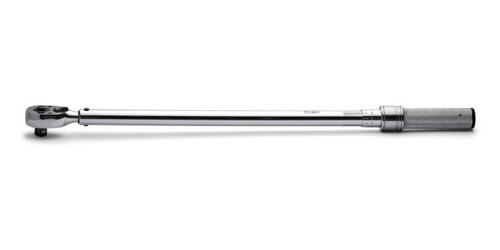
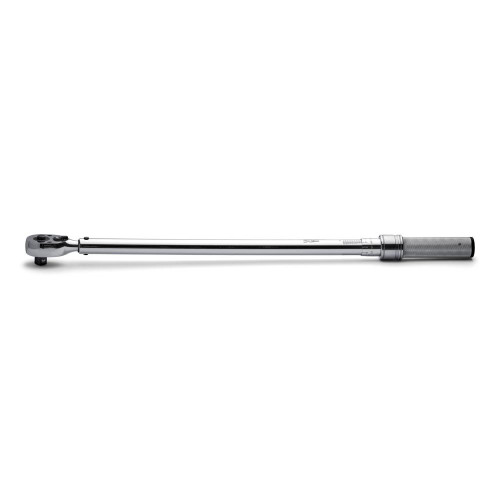
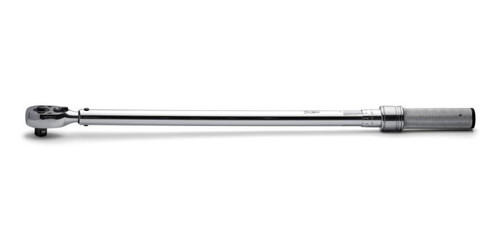
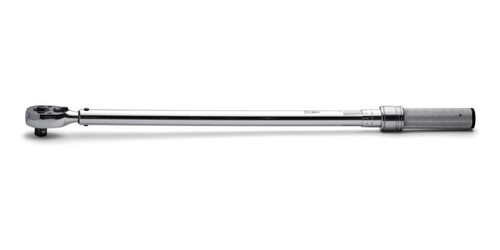
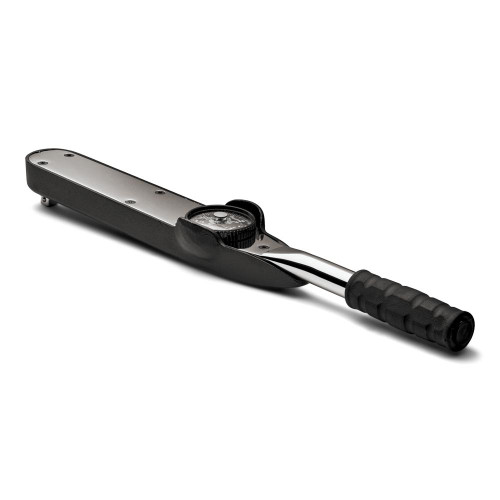
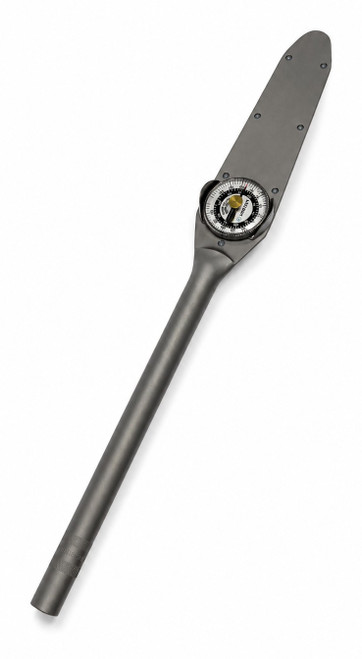
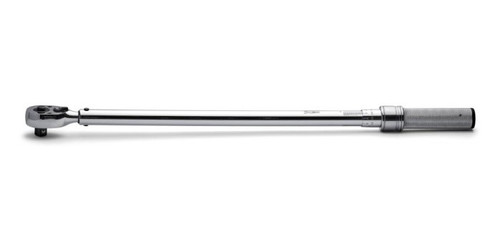
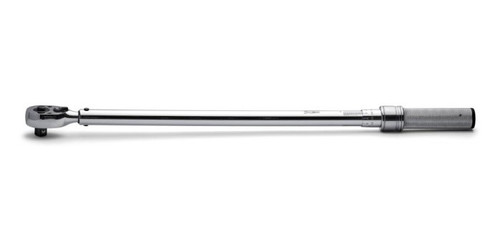
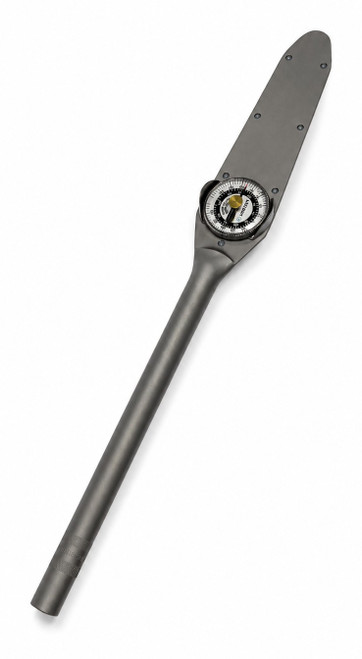
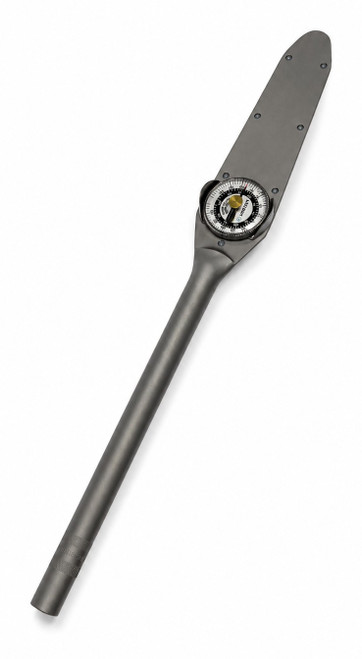
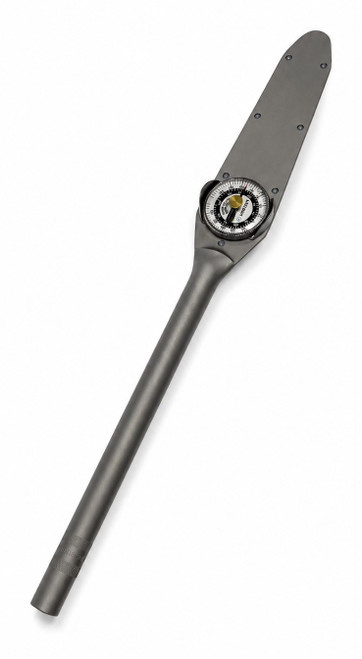
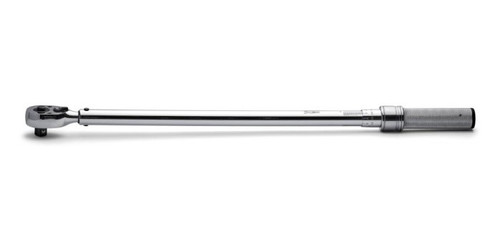
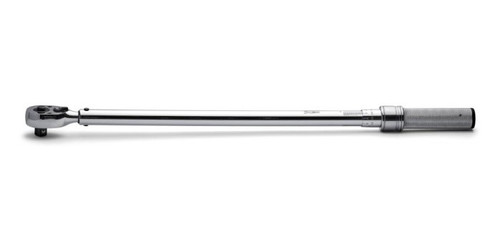
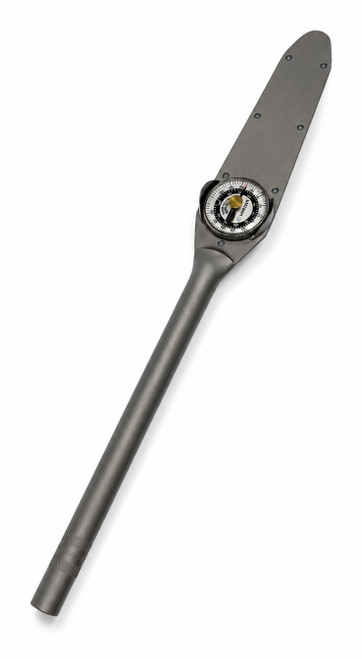
A repeatable fastening setup starts with the drawing or work instruction. Record the fastener type, size, required torque and tightening sequence before selecting a driver. Check whether the figure is stated in inch-ounces, inch-pounds or foot-pounds; a number without its units is not enough to choose a torque tool. The selected Wright Tool families include torque screwdrivers and click-type or dial-type torque wrenches. Compare the individual model details rather than assuming that tools with the same drive size share a working range.
Match the recess and the driving end
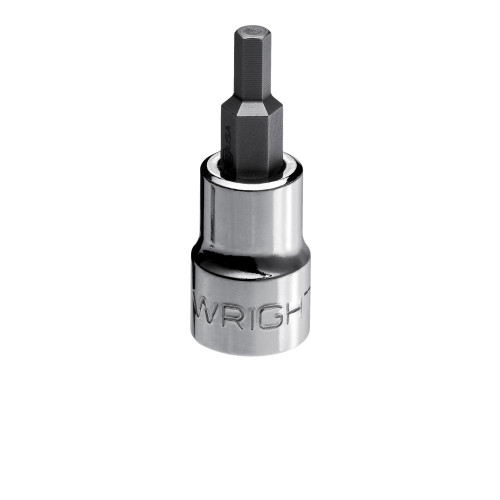
Hex, Torx, Phillips and slotted fasteners need the matching tip shape and size. Inch and metric hex sizes can look close at a glance. Use a known fastener specification instead of choosing by appearance. The bit sockets category is useful when the task calls for a socket-driven tip. Check the square drive size separately from the working tip. The assembly tools selected here include bit socket families in 1/4, 3/8 and 1/2 inch drive, so a suitable tip may still need a different handle or torque tool.
Check torque range and access
Choose a tool with a stated working range that includes the required setting, and confirm direction and units in its instructions. Compare the length of the complete setup against the space around the fastener. A long bit may clear an obstruction but can also make the tool harder to position squarely in a shallow recess. Browse torque wrenches and multipliers for the full category; this page's grid selects smaller-drive torque tools rather than the category's heavy bolting equipment. Multipliers are outside this assembly selection.
Use keys where a socket will not fit
Manual keys can reach a fastener when there is no room for a ratchet head. Check the long and short legs, end style and working clearance before selecting a set. The full hex and Torx keys category provides another way to compare manual access options. For repeated hand turning, look at T-handle hex keys and check the shaft size and reach. A comfortable handle does not tell you how much torque you are applying. Use the specified torque method whenever the work instruction calls for a measured final setting.
Keep the workstation organized
Separate look-alike tips and label the sizes used at the station. Keep a known-good sample or the fastener specification nearby so a worn tip is not mistaken for a different size. Before starting a batch, seat the tip fully and check that the assembled driver clears nearby parts through its working movement. Stop if engagement is poor. These assembly tools cover different fastening tasks; the selection does not establish calibration status, electrical protection or suitability for a controlled electronics process. Confirm those requirements separately for the actual operation.
Compare complete tools before replacements
A complete bit socket or torque screwdriver gives you a defined starting interface to check. Loose replacement bits require closer attention to the holder dimensions and retention method, so they are not part of this initial selection. When ordering assembly tools for several benches, record both the working size and the driving connection. Check set contents against the station list instead of assuming a set includes every intermediate size. That small check can prevent a missing tip from interrupting a changeover.
Frequently asked questions
Which assembly tools are included in this collection?
The selection includes complete torque screwdrivers, torque wrenches through 1/2 inch drive, selected bit sockets, hex and Torx keys, and T-handle drivers. It focuses on manual fastener assembly. Cordless tools, general drilling equipment and loose replacement bits are outside this initial selection, so check another category if your operation needs them.
How do I choose between a torque screwdriver and a torque wrench?
Start with the required torque and units, then compare the working ranges of the individual tools. Check the fastener tip or socket connection and the space available at the workstation. A screwdriver may suit a lower-torque screw, but the specified setting and model information should determine the choice rather than the tool name.
Does drive size tell me the torque range?
No. Drive size describes the connection, while the tool model has its own stated operating range. Confirm that range, the units and the permitted direction before use. Two tools with the same square drive can cover different settings, so a matching socket connection alone does not establish that either tool suits the job.
Can I use any replacement bit in a torque screwdriver?
Do not assume compatibility from the tip style alone. Check the holder dimensions, bit shank and retention method in the tool information. The collection starts with complete tools and bit socket families; loose replacement bits need a separate compatibility check. Confirm the assembled length too if the fastener sits inside a recess.
Are the tool-type tiles restricted to assembly products?
The tiles open the full tool-type categories rather than filtered versions of this grid. Some of those categories contain tools for larger mechanical jobs or different access needs. Use the product grid for the selected assembly families, and compare each product’s range, connection and dimensions with the workstation requirements before choosing.