
-
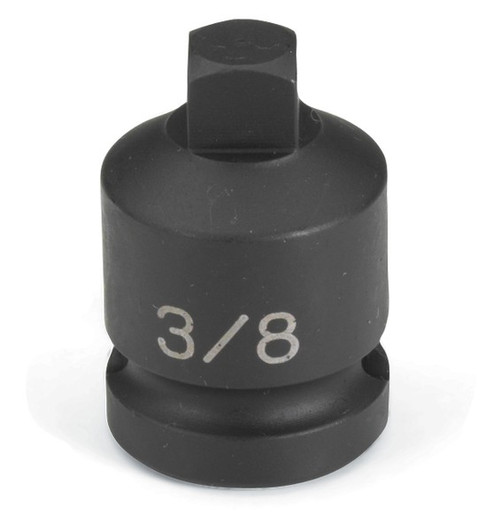
Grey Pneumatic
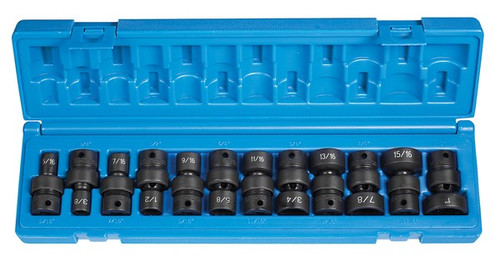
Grey Pneumatic 1/2" Drive 4-Point Square Standard Pipe Plug Impact Sockets, SAE
Choose options for price
-
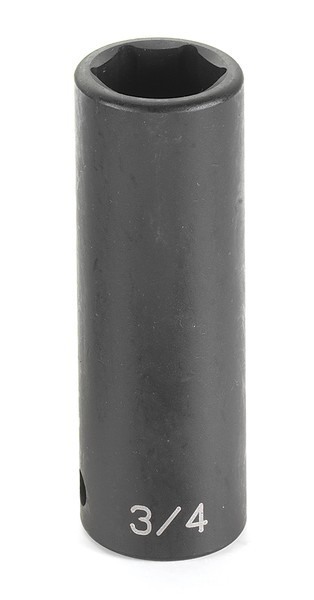
Grey Pneumatic
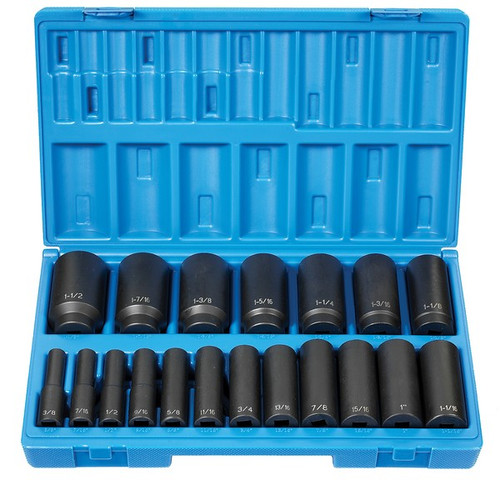
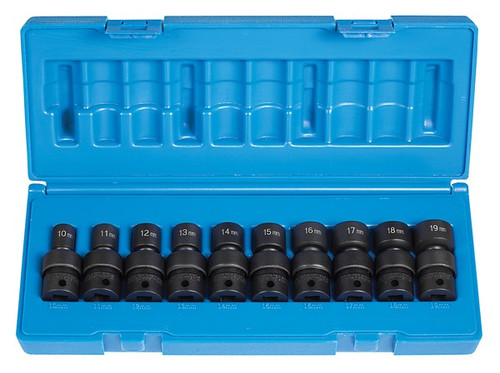
Grey Pneumatic 1/2" Drive 6-Point Deep Impact Sockets, SAE & Metric
Choose options for price
-
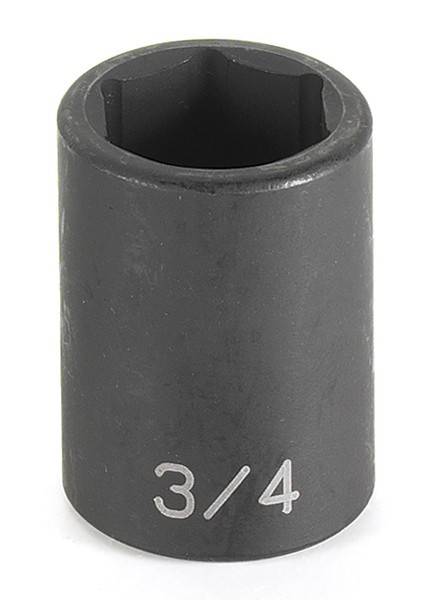
Grey Pneumatic
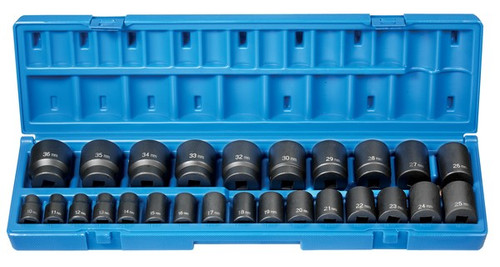
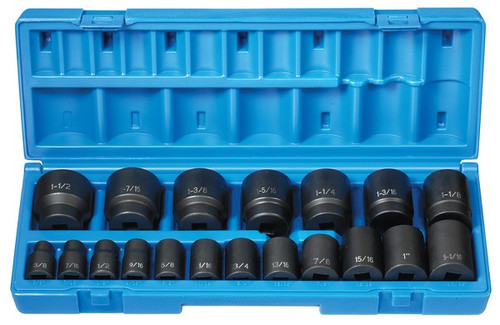
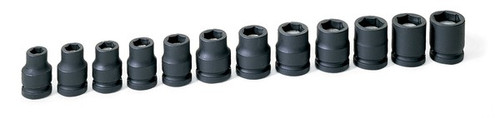
Grey Pneumatic 1/2" Drive 6-Point Standard Impact Sockets, SAE & Metric
Choose options for price
-
-
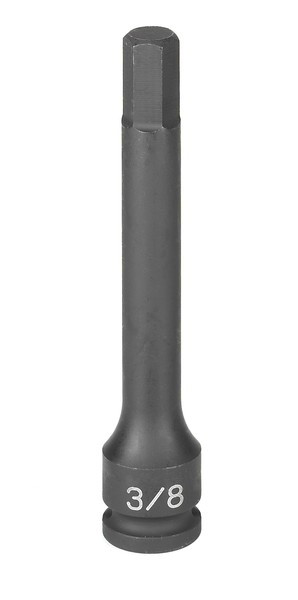
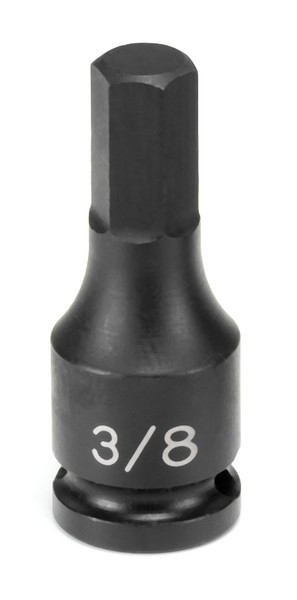
Grey Pneumatic
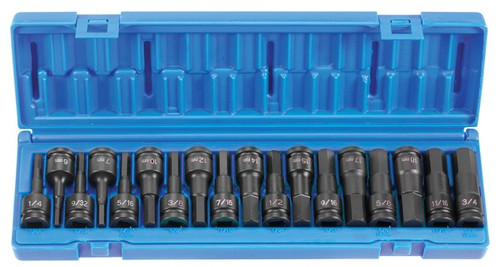
Grey Pneumatic 3/8" Drive Hex Impact Drivers, 4" Length, SAE & Metric
Choose options for price
-
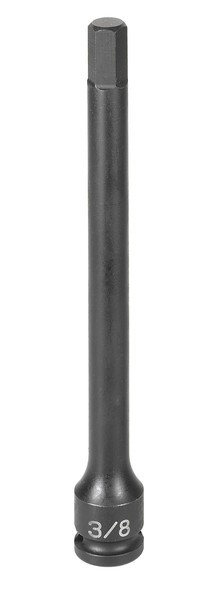
Grey Pneumatic
Grey Pneumatic 3/8" Drive Hex Impact Drivers, 6" Length, SAE & Metric
Choose options for price
-

-
-
-
-
-
-
-

-
-
-
-
-
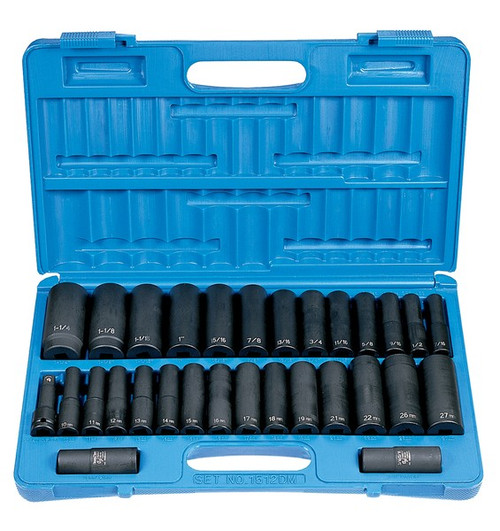
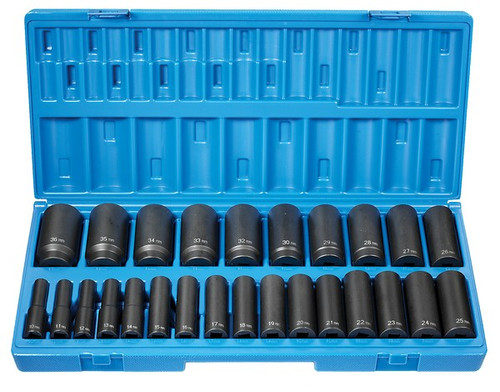
Grey Pneumatic
Grey Pneumatic 1512DM 1/2" Drive 30-Piece SAE & Metric Deep Impact Socket Set
$222.26 -

Industrial Maintenance (MRO)
Choose industrial maintenance tools after checking the machine and its repair instructions. At BRAIGG, this collection covers mechanical maintenance tasks such as turning plant fasteners, removing bearings, drilling repair holes and restoring damaged threads. Start with the equipment procedure and measurements from the assembly. Check for room to grip a bearing or reach a recessed fastener before comparing tool sizes. The links below take you to tool categories, and the product grid groups selected families for maintenance work. Choose the exact size and configuration after you have checked access at the machine.
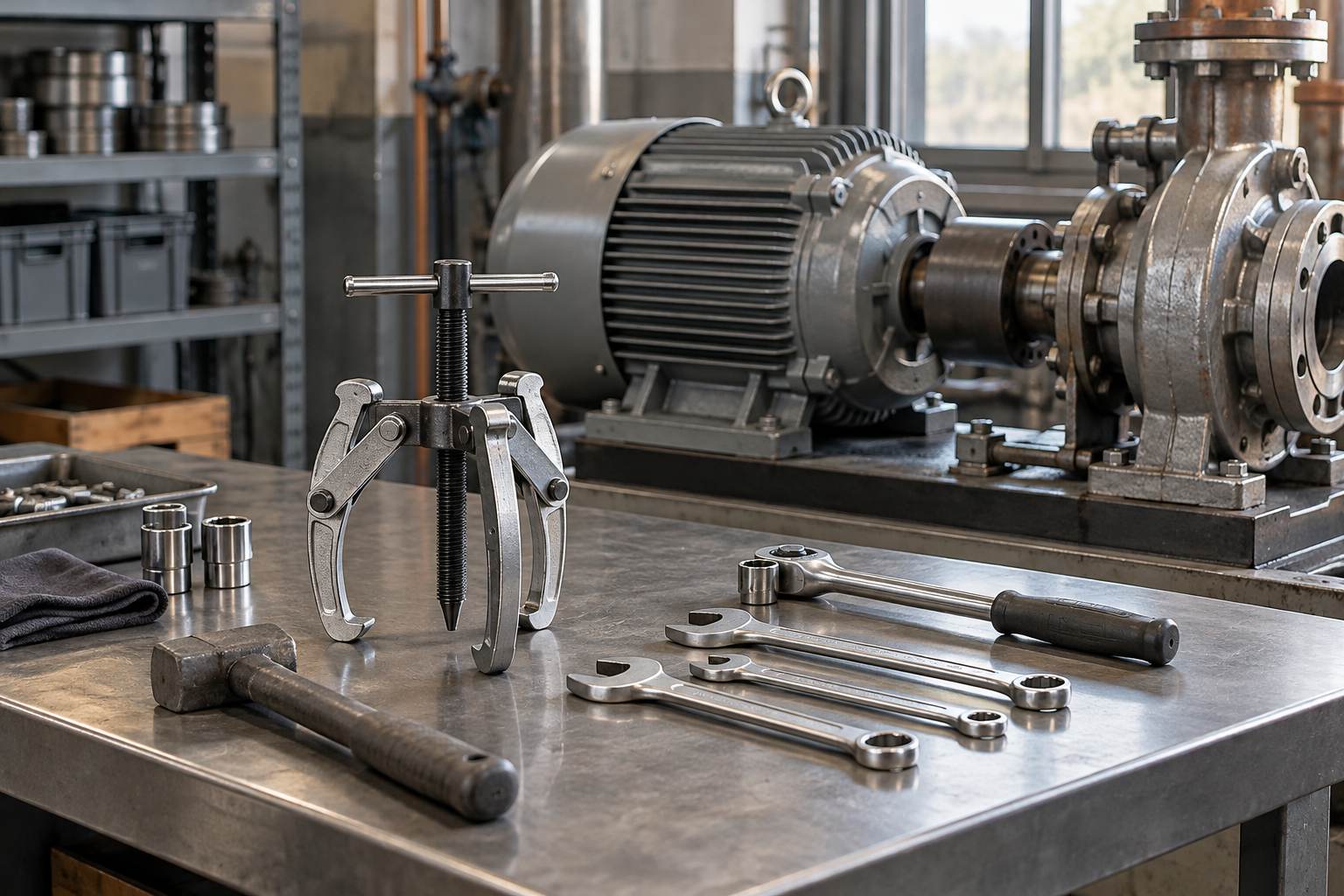
Shop by tool type
Choose industrial maintenance tools from the work order
A useful maintenance kit starts with the asset list. Record the fastener openings, shaft diameters and common service tasks on the pumps, gearboxes and conveyors you maintain. Keep those notes with the machine documentation. They help distinguish a missing tool from a tool that is already in the crib but stored with another repair kit.
For routine fastening, browse sockets and ratchets and combination wrenches by size and access. A long handle needs room to swing. A deep socket needs clearance along the fastener axis. Check both before choosing a tool for a recessed mounting foot or a guard bracket near a frame member.
Plan bearing and gear removal before applying force
Measure the available grip, required reach and space around the shaft before choosing gear and jaw pullers. Determine whether the part can be gripped from outside or needs a different removal method. A tool with enough spread may still lack the reach needed to sit correctly behind the component.
Industrial maintenance tools should be selected around a controlled removal setup, not around how much force a stuck part might take. Identify the intended bearing surfaces and follow the puller instructions for alignment and loading. Stop and reassess a setup that shifts or starts to pull at an angle. Do not treat a jaw tip resting on a narrow edge as a secure grip.
Match drilling and thread repair to the material
Before choosing a drill bit for a repair, identify the workpiece material, hole diameter and available machine capacity. Check the shank and chuck connection as well as the cutting size. The selected catalog families include Norseman drill bits, but the correct geometry and cutting conditions depend on the individual series and application. Start in twist drill bits and compare the product details before choosing a size.
For damaged threads, establish the original thread diameter and pitch first. Inspect the part to determine whether the problem is debris, damaged thread form or a repair that needs a different process. Browse thread repair tools only after that inspection. Cutting away material without a repair plan can limit your options for saving a valuable housing.
Keep scope and shutdown requirements clear
This selection groups industrial maintenance tools for general mechanical tasks. It does not establish machine compatibility, electrical protection or suitability for a hazardous location. Check each product option and the equipment instructions against the job, and follow the site's isolation and safe-work procedures before maintenance begins.
Materials and finishes vary across the families shown here. Read the individual listing rather than assuming that a shared appearance means shared construction or use limits. Separate impact-designated sockets from hand sockets in the crib, and inspect drive ends and gripping surfaces when tools come back from a repair.
When restocking industrial maintenance tools, note the sizes that repeatedly leave the crib together. A small, documented repair kit can be easier to check before a shutdown than a large, mixed drawer of tools. Leave space for the job instructions and the measurements that guided your selections.
Frequently asked questions
What does MRO mean on this tool page?
MRO means maintenance, repair and operations. This page focuses on hand tools and related tooling for mechanical plant repairs, including fasteners, bearings, drilling and thread work. It is not a complete list of everything a facility needs. Use the equipment documentation and your work order to identify the tools for a particular task.
How do I choose a puller for a plant repair?
Measure the required spread and reach, then identify the surfaces that can safely carry the pulling load. Check whether an external grip is possible or another removal method is specified. The puller instructions and the machine procedure should guide the setup. More capacity alone will not correct poor access or alignment.
Are all the drill bits suitable for every maintenance material?
No. Match the drill series to the material and the available machine, then follow the recommended cutting conditions. Check diameter, shank type and required hole depth as part of that choice. A bit that fits the chuck is not automatically the right choice for a hard material or a difficult repair location.
Can these tools be used on energized equipment?
This collection is not a recommendation for energized work. An ordinary mechanical tool should not be treated as electrically protective because it has a coated handle or a dark finish. Follow the facility isolation procedure and the equipment instructions. Any work requiring specialized protective tooling needs a separate, task-specific assessment.
What information should I record before ordering repair tools?
Record the asset identification, relevant fastener sizes and the dimensions that control access. For removal work, include shaft diameter and possible grip points. For drilling or thread repair, note the material and original dimensions. These details let you compare actual tool options instead of relying on a general machine name.