
-
-
-
-
-
-
-
-
-
-
-
-
-
-
-
-
-
-
-
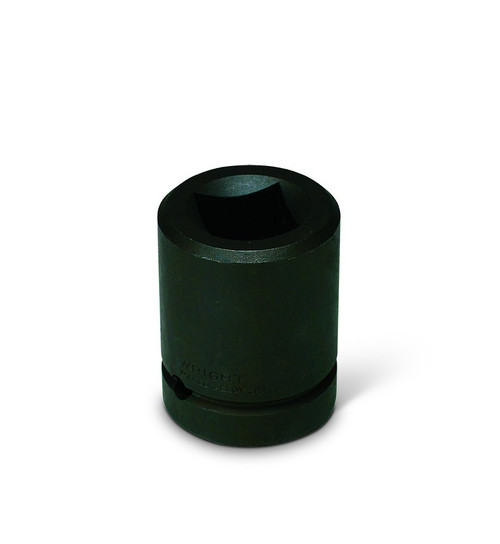
Wright Tool
Wright Tool 1" Drive Square Standard Metric Budd Wheel Impact Socket
Choose options for price
-
Fleet & Heavy Equipment
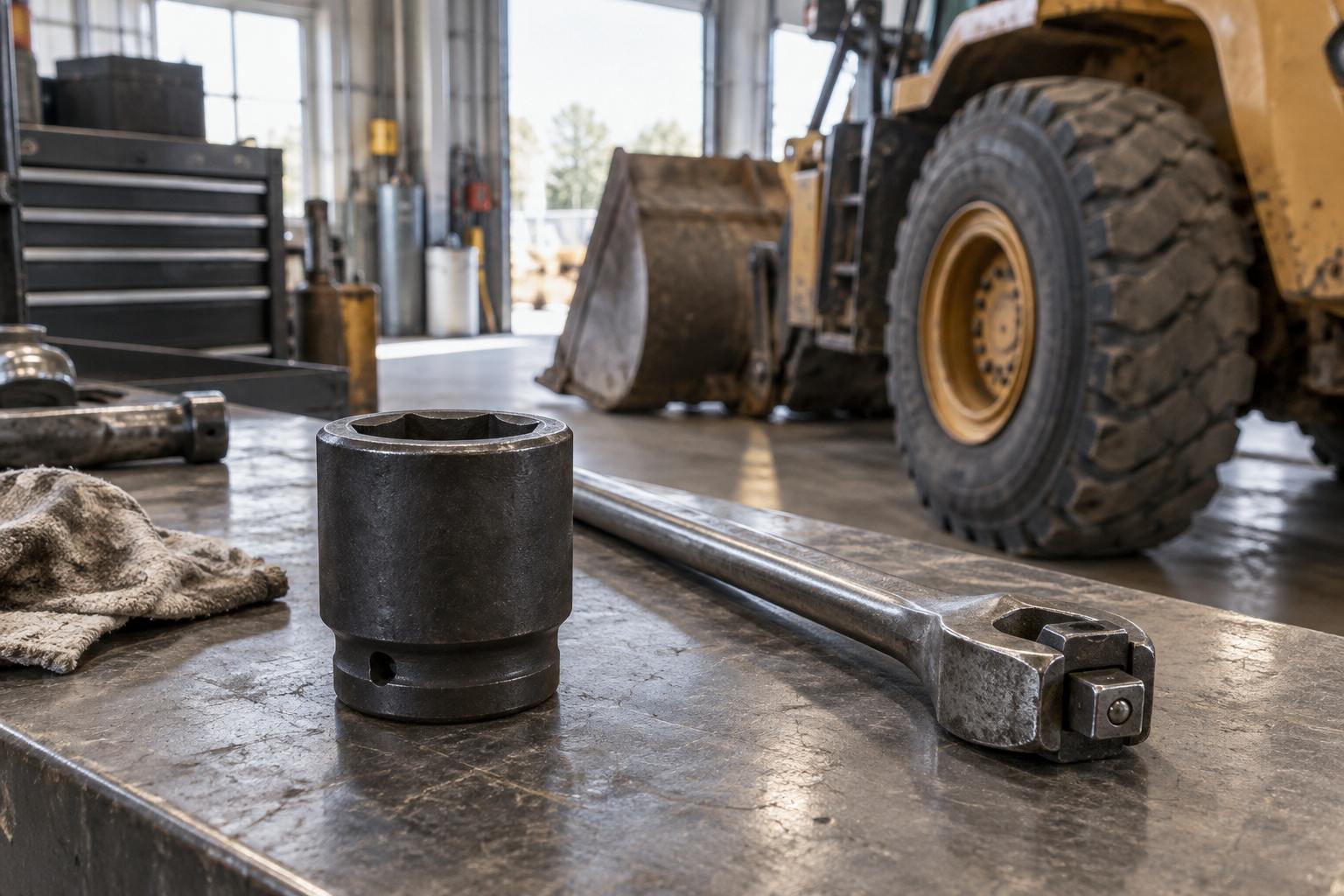
Heavy equipment tools have to match the fastener, the available space and the service procedure. At BRAIGG, this selection focuses on large-drive sockets, heavy fastening tools and selected truck and equipment service families. Start with the drive connection and fastener opening, then check depth, reach and working clearance. A large impact socket is only one part of the setup; the handle or powered tool and any accessories need their own checks. Use the tool-type links below for a narrower category, or browse the selected families for wheel-end, driveline and mechanical service work across your fleet.
Shop by tool type
Size heavy equipment tools for the actual fastener
A truck wheel nut and a recessed equipment fastener can need very different socket profiles even when both jobs use a large drive. Record the opening size, profile and required depth before shopping. Check the clearance around the nut as well as the space needed to bring the socket onto it.
The selection includes 3/4 inch and larger drive families, with specialist larger-drive and spline choices where listed. Not every fleet job calls for those larger connections. Browse impact sockets for powered fastener work, then read the family details for the exact option, material and finish. A drive adapter changes the connection; it does not establish the capacity of the assembled tools.
Separate removal power from tightening requirements
Air impact tools can help with fastener removal, but the service procedure still governs reassembly. Before choosing an air impact wrench, check its air requirements against the shop supply, hose and connections. Do not assume that the presence of compressed air means a particular tool will have the setup it needs.
For final tightening, compare torque wrenches and multipliers by range, connection and the instructions for the specific tool. A multiplier also needs the correct reaction arrangement. Plan where that reaction will be carried before starting the job. Keep hands clear of the reaction area and use the prescribed setup rather than improvising a stop against an adjacent component.
Check wheel-end and joint access carefully
Compare heavy equipment tools for wheel ends by more than drive size. Confirm the nut shape and dimensions, the axle or hub arrangement and any retaining features in the equipment procedure. The axle and spindle nut sockets category provides a starting point for comparing the relevant socket forms.
For pulling work, identify where the tool can attach and what surface will carry the load. Review wheel hub and axle pullers against the removal method rather than assuming one puller will cover every truck. The selected catalog includes KUKKO pulling and service families; individual models have different attachments and dimensions. A familiar maker's name does not settle the fitment question.
Plan the job before filling the service cart
This collection groups heavy equipment tools by common service tasks, not by verified vehicle or machine fitment. Confirm the exact product option, dimensions and instructions against the equipment manual before ordering. The linked categories can include tools outside this curated selection, so apply the same checks when browsing them.
Make a short list for each recurring repair: fastener size, drive, socket depth, required accessories and final tightening method. Check it before the machine is taken out of service. A missing extension or an unsuitable reaction point can stop the repair even when the main tool is on the cart.
Return heavy equipment tools to storage after cleaning and inspection. Look for damaged drive ends, cracked sockets and worn gripping surfaces. Keep components together when they belong to a specific service setup, and label the kit with the equipment information rather than assuming the next mechanic will recognize every attachment.
Frequently asked questions
Is 3/4 inch drive suitable for every heavy equipment job?
No. Drive size is only one part of selecting a tool. The fastener opening, required torque, access and manufacturer instructions all matter. Some work needs a smaller assembly for clearance, while other jobs require a larger connection and different equipment. Choose from the documented task requirements rather than the vehicle size alone.
Will any axle nut socket fit my truck?
No. Axle and spindle nuts can use different dimensions and profiles, and access varies between assemblies. Check the service manual and compare the actual nut with the listed socket dimensions. The drive connection tells you how the socket attaches to the handle; it does not identify the axle application.
What should I check before buying a large air impact wrench?
Compare the tool air requirements with the available supply, hose and fittings. Check the drive size and the suitability of each socket and accessory for impact service. Consider access at the fastener, including room for the tool body. Use the product instructions to establish the correct operating setup before service work.
Does a torque multiplier remove the need for setup planning?
No. A torque multiplier needs a suitable reaction arrangement and the input specified by its instructions. Confirm that the required output falls within its stated capacity and that the equipment procedure allows the method. Plan the reaction point and clearance before loading the tool, rather than finding a convenient surface during the job.
How can I reduce missing tools during recurring fleet repairs?
Build a checklist from completed work orders and the equipment service procedure. Record socket sizes, depths, drive connections and the attachments needed for each task. Check that list before the equipment enters the bay. Store task-specific components together, and inspect them after use so damage is found before the next scheduled repair.