
-

Grey Pneumatic
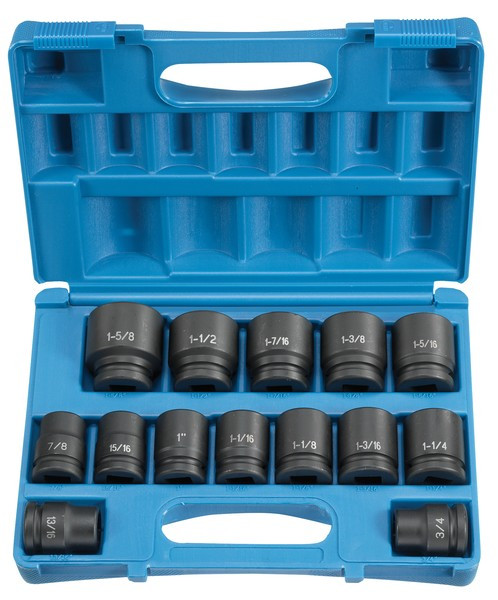
Grey Pneumatic 9021 1" Drive 21-Piece Fractional Impact Socket Set 3/4" to 2"
$588.44 -
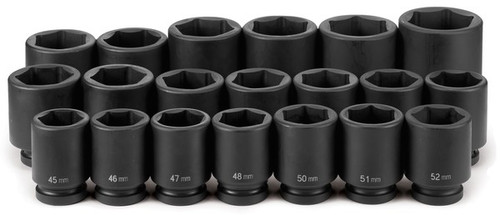
Grey Pneumatic
Grey Pneumatic 9020MD 1" Drive 20-Piece Deep Metric Impact Socket Set 45mm to 75mm
$1,772.96 -

Grey Pneumatic
Grey Pneumatic 9020M 1" Drive 20-Piece Metric Impact Socket Set 45mm to 75mm
$1,208.33 -

Grey Pneumatic
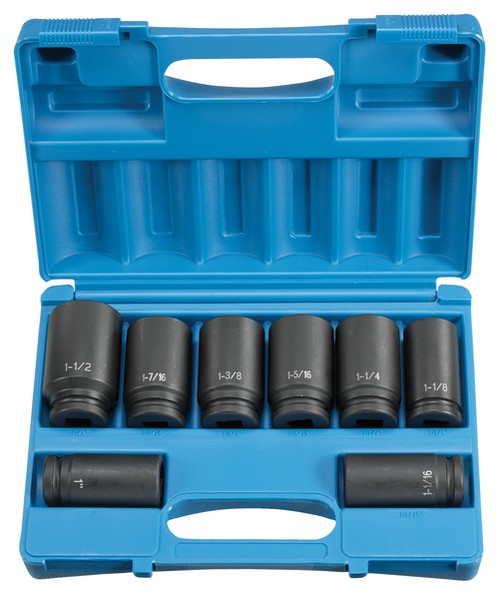
Grey Pneumatic 9016D 1" Drive 16-Piece Deep Fractional Impact Socket Set 2-1/16" - 3"
$1,819.79 -
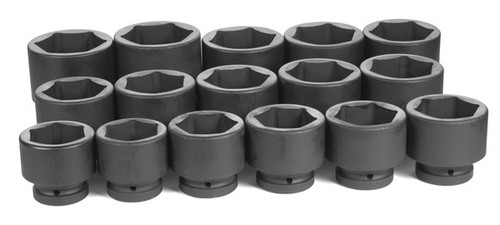
Grey Pneumatic
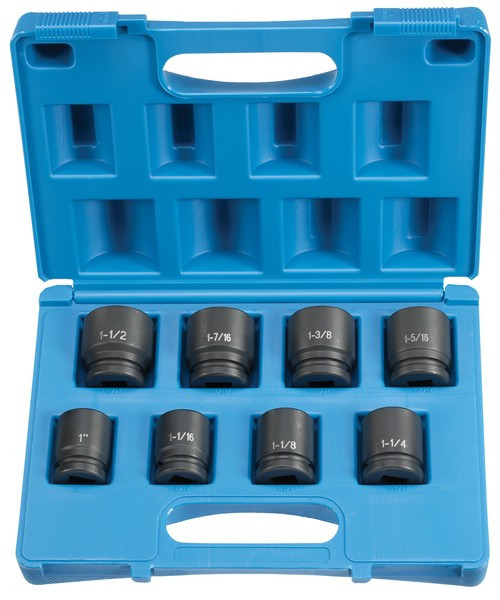
Grey Pneumatic 9016 1" Drive 16-Piece Fractional Impact Socket Set 2-1/16" - 3"
$1,260.40 -

Grey Pneumatic
Grey Pneumatic 9011MD 1" Drive 11-Piece Deep Metric Impact Socket Set 76mm to 115mm
$4,489.83 -

Grey Pneumatic
Grey Pneumatic 9011M 1" Drive 11-Piece Metric Impact Socket Set 76mm to 115mm
$3,142.34 -
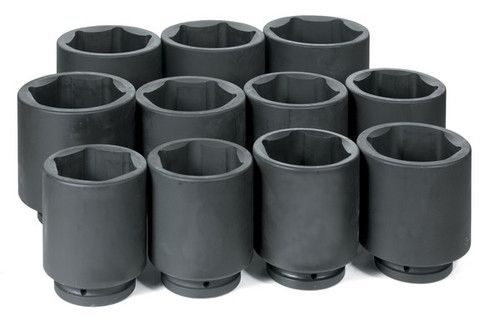
Grey Pneumatic
Grey Pneumatic 9011D 1" Drive 11-Piece Deep Fractional Impact Socket Set 3-1/8" - 4-1/2"
$3,969.29 -

Grey Pneumatic
Grey Pneumatic 9011 1" Drive 11-Piece Fractional Impact Socket Set 3-1/8" - 4-1/2"
$2,716.84 -

Grey Pneumatic
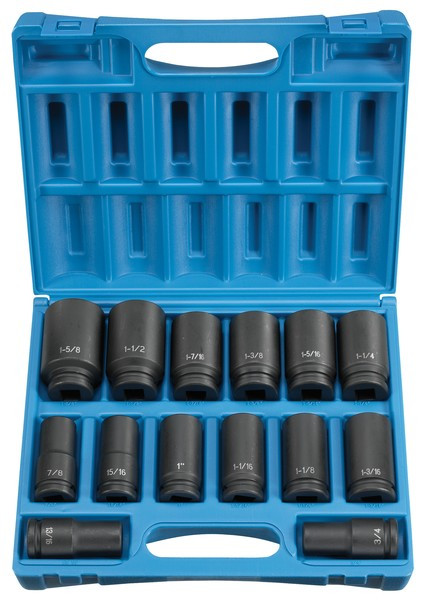
Grey Pneumatic 8313 3/4" Drive 13-Piece Standard Impact Socket Set - 12 Point
$227.37 -

-

-
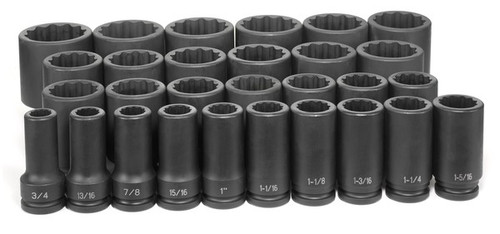
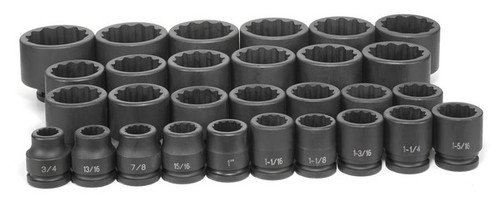
Grey Pneumatic
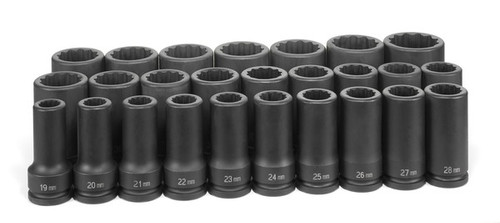
Grey Pneumatic 8129D 3/4" Drive 29-Piece Deep Fractional Master Impact Socket Set - 12 Point
$1,565.57 -
-
-
Grey Pneumatic
Grey Pneumatic 8126M 3/4" Drive 26-Piece Metric Master Impact Socket Set - 12 Point
$533.59 -
-
-
-
Construction & Ironwork
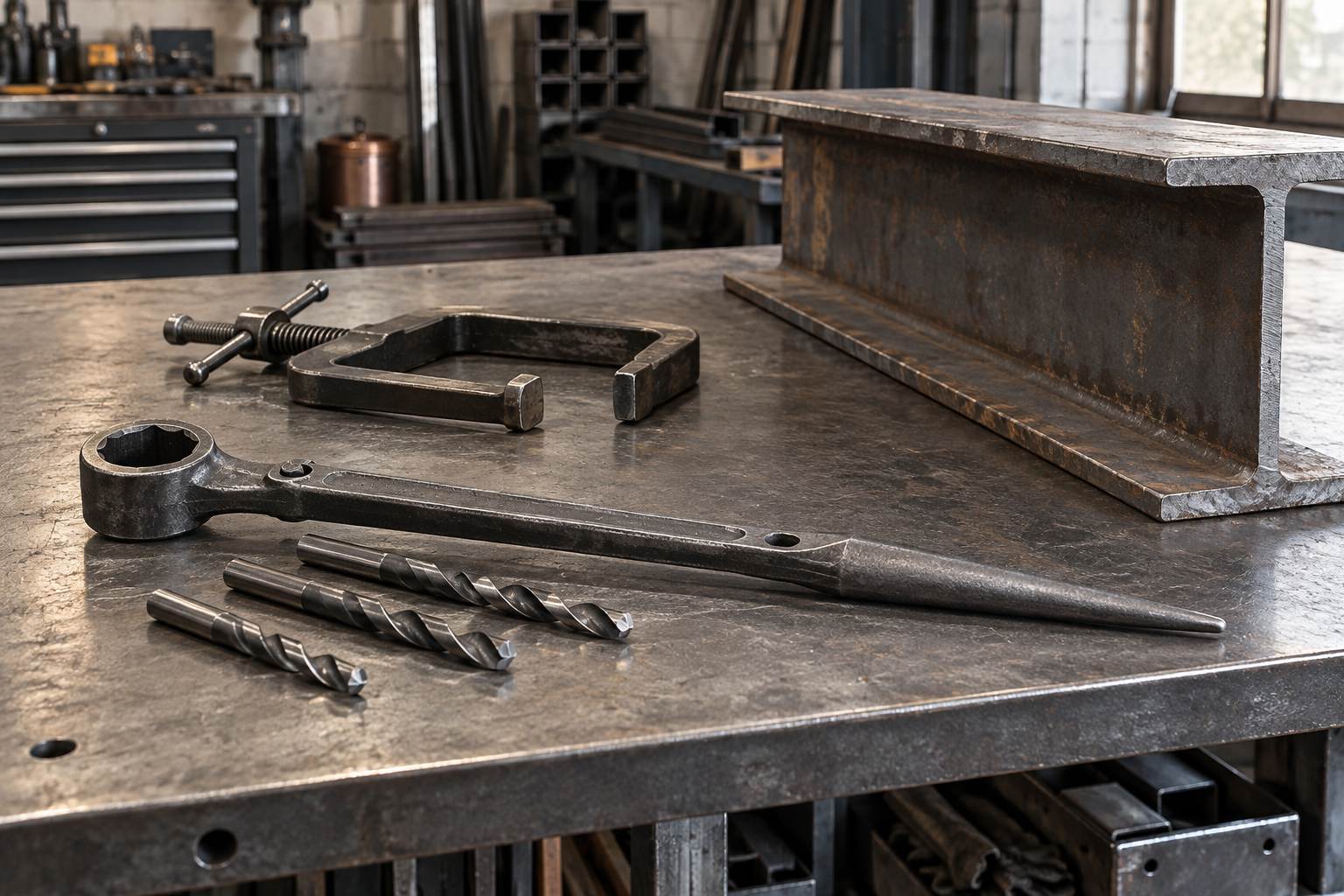
Choose ironwork tools to suit the connection, hole or workpiece. This collection at BRAIGG brings together structural and spud wrenches, selected impact socket families, metal drilling and cutting tools, and metal workholding. Start with the bolt size and available access, then check the drive or machine interface before choosing a family. You will find options for steel erection and fabrication tasks rather than a general building-supply assortment. Use the tool-type links to compare the full categories, or browse the selected families in the product grid below.
Shop by tool type
These links open the full tool categories, not a filtered industry selection.
Choose ironwork tools for the connection
A structural connection calls for more than the right nominal wrench size. Check the nut profile, clearance around the head and the room available to move the handle. Open-end and box-end structural wrenches serve different access needs. The structural wrenches category includes Wright Tool structural and spud wrench families. Compare the individual descriptions before choosing an offset or handle style. Do not assume a tapered handle makes every wrench suitable for every alignment task; follow the instructions for the particular tool and connection.
Match sockets to the drive
The selected ironwork tools include socket families in 1/2, 3/4 and 1 inch drive. Drive size identifies the tool connection, not the fastener opening. Read both measurements. For powered impact work, choose an explicitly impact-rated socket and check that any extension, adapter or joint is suitable for the same use. The broader impact sockets category is useful when comparing shallow and deep access. A deep socket may reach a nut on a projecting stud, but it also takes more room between the fastener and an obstruction.
Plan the hole before picking a cutter
Hole diameter, stock thickness and the machine you have available determine the cutting setup. Start with the workpiece material, then check the cutter description for its intended use and connection. Browse twist drill bits for drilling choices and annular cutters when your equipment supports that cutting method. A matching diameter alone does not tell you whether the cutter fits your machine. Confirm the shank, holder and required accessories, and use the maker's speed and lubrication guidance rather than treating every metal as the same job.
Hold the work and check clearance
Plan for workholding from the start. The ironwork tools selection includes screw clamps, lever clamps and locking pliers for metal positioning and fabrication tasks. Compare jaw opening, throat depth and contact shape with the actual parts. A clamp that reaches the joint may still block the drill or welding access. Check the tool path before tightening the setup. For thin or finished parts, consider how the contact faces bear on the surface; do not assume a general clamp is a lifting device or a substitute for a fixture.
Build a kit around repeat work
List the fastener openings and hole sizes you use repeatedly before choosing sets. Compare the included sizes with that list, especially when a crew handles both inch and metric hardware. A set can leave a gap at the size you need most. These ironwork tools cover several tasks, so check each family against your steelwork setup. Product dimensions, equipment compatibility and site procedures still govern the choice. Keep worn sockets and damaged cutting edges out of the working kit, and inspect replacements before putting them into service.
Frequently asked questions
What kinds of ironwork tools are included here?
The collection focuses on structural bolting, metal hole-making and workholding. It includes structural and spud wrenches, selected impact sockets, striking wrenches, drill bits, cutters and metal clamps. It is not a general construction supply list. Compare the individual family and size details with the task before ordering.
How do I choose a structural wrench?
Start with the fastener opening and profile, then check access around the nut and the available handle movement. Compare open-end and box-end styles, head offset and handle design. Use the instructions for the specific wrench, especially if the handle has an alignment feature or the job calls for striking.
Can I use a hand socket on an impact wrench?
Choose a socket explicitly identified for impact use when working with an impact wrench. A matching drive size does not mean the socket is impact-rated. Check extensions, joints, adapters and retention parts too, and follow the tool instructions. Keep hand-drive sockets separate so you do not grab the wrong one by mistake.
What should I check before ordering an annular cutter?
Confirm the required hole diameter and cutting depth, the workpiece material, and the machine connection. Check the cutter shank and any pilot or holder requirements in the product information. An annular cutter is not interchangeable with a twist drill simply because both can produce the same nominal hole diameter.
Are the tool-type links limited to this industry selection?
No. The links open the full tool-type categories so you can compare related styles and sizes. The product grid on this page contains the selected industry families. A tool appearing in a broader category may have a different intended use, so check its description rather than assuming it belongs in your steelwork setup.