
-

-
-
-
-
-
-
-

-
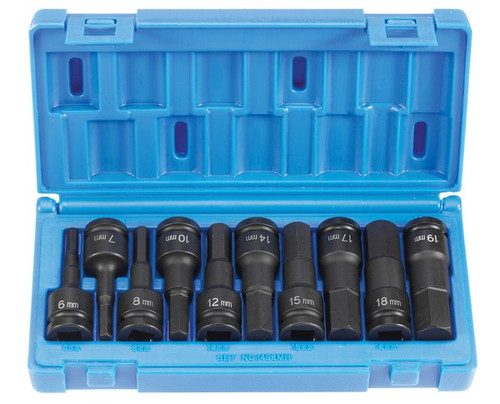
-
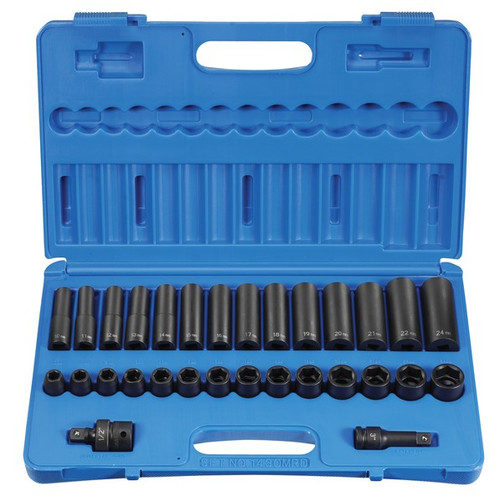
Grey Pneumatic
Grey Pneumatic 1430MRD 1/2" Drive 30-Piece Standard/Deep Metric Impact Socket Set
$191.23 -
-
-

Grey Pneumatic
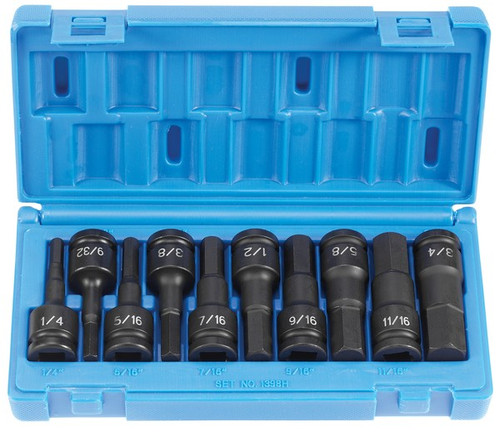
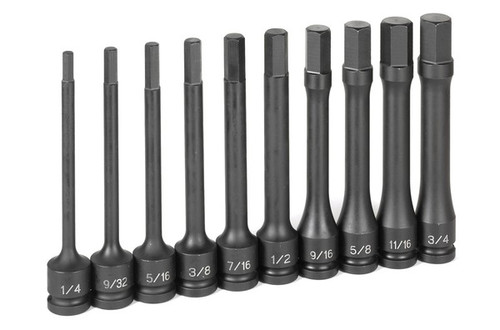
Grey Pneumatic 1/4" Hex Shank to Square Drive Impact Adapters
Choose options for price
-

-

-
-

-
-

-

Hand Tools
Hand tools are the part of the trade that never needs a battery: the socket on a seized axle nut, the flare nut wrench on a brake line, the punch that marks a part number. At BRAIGG, this department has two makers. Wright Tool builds the sockets, ratchets and wrenches in Barberton, Ohio, as it has since 1927. KUKKO, a German toolmaker founded in 1919, supplies the pliers, hammers, punches, stamps, hex keys and screwdrivers. Pick a section below, or read on for which one fits the job.
What's in our hand tools department
Five sections of hand tools sit under this page. Most of the stock is in the first two, because turning fasteners is most of the work.
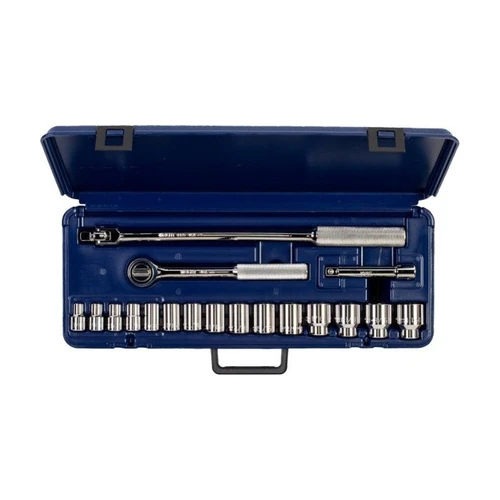
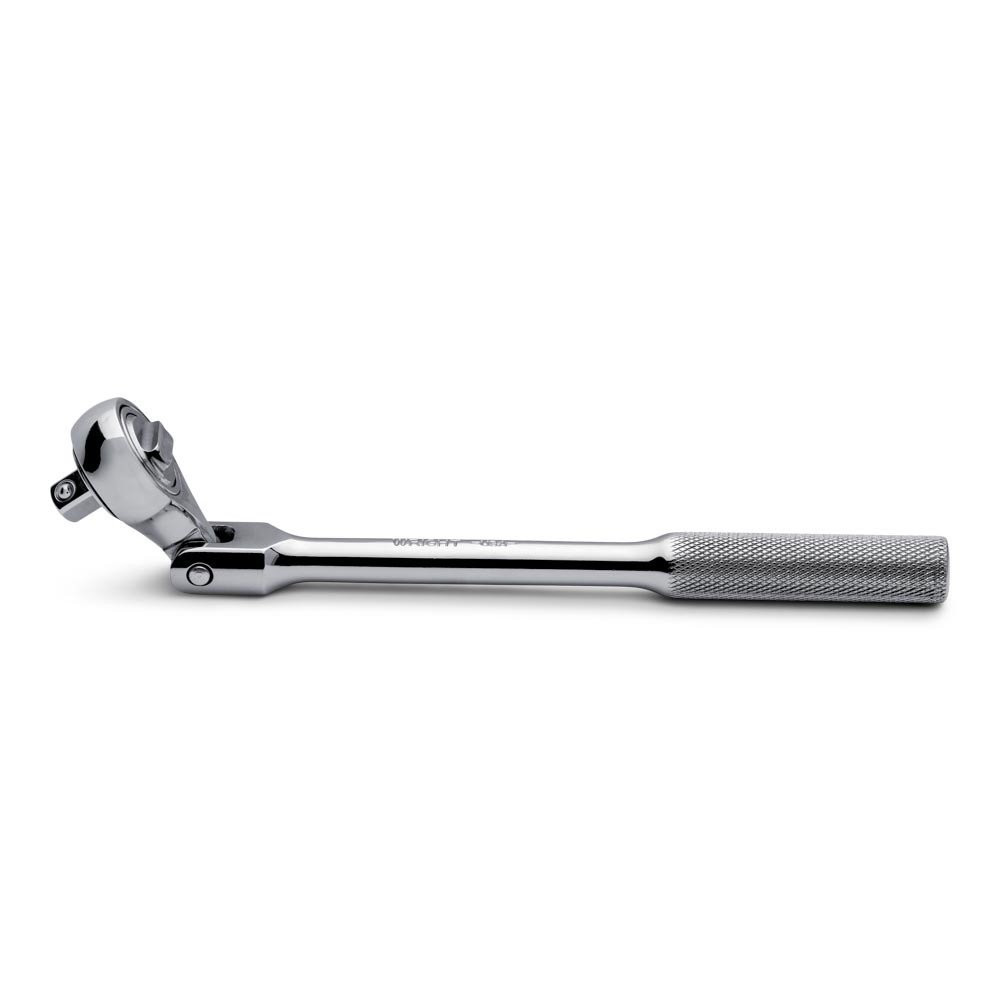
- Sockets and ratchets: hand and impact sockets, bit sockets, ratchets, breaker bars, extensions, adapters and more than 130 socket sets, all Wright Tool.
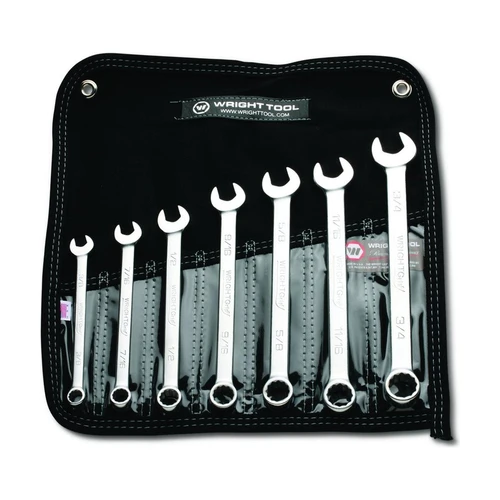
- Wrenches: combination, box, ratcheting, flare nut, crowfoot, striking, structural, spanner, adjustable and pipe wrenches, plus torque wrenches and multipliers.
- Pliers: KUKKO locking pliers, circlip pliers and specialty pliers such as piston ring and non-sparking models.
- Hammers and striking tools: soft-face hammers with replaceable inserts, letter and number stamps, and punches.
- Hex keys and screwdrivers: L-keys, T-handles, Torx keys and screwdrivers, including non-sparking versions.
Sockets and wrenches: start with the fastener
Most buyers come here for sockets and wrenches, and the right pick depends on the fastener and how much room you have. A socket on a ratchet is fastest when you can get straight over the nut. A wrench wins when the nut sits on a pipe or line, or when there's no room for a ratchet head.
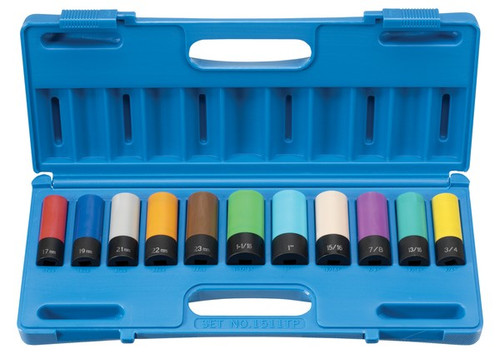
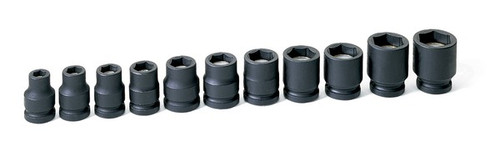
For sockets, settle the drive size first. A 1/4 drive covers small fasteners and trim. A 3/8 drive is the everyday size for engines and equipment. A 1/2 drive handles suspension and heavier bolts, and 3/4 or 1 inch drive is for truck and heavy equipment work. Running an impact gun? Buy impact sockets, not chrome hand sockets. A 6 point socket grips the flats and is kinder to a rusted or rounded nut. A 12 point lets you engage in tighter swing arcs.
For wrenches, a combination wrench is the one you'll grab most. Line fittings on brake and fuel systems need a flare nut wrench, which wraps more of the nut than an open end. Large nuts on flanges and heavy equipment call for a striking face wrench and a hammer. When a spec calls out a torque value, use a torque wrench rather than feel. That section also carries Wright torque screwdrivers in ranges as low as 20 to 100 in oz for small electronics and instrument screws.
Pliers for gripping, holding and snap rings
Our pliers are all KUKKO, and they lean toward shop and service work rather than general household use. Locking pliers come in several jaw styles. The series 690 universal model has curved jaws for round, profile and flat stock, in 180, 250 and 300 mm (7, 10 and 12 in). The 691 prism jaw adds a wire groove for nails and wire, and the 689 Langbeck has a long, narrow nose for tapering spots. All of them use a toggle mechanism, so you can clamp hard with one hand and keep the other free.
If you pull bearings or gears, you'll hit retaining rings. Circlip pliers come in internal and external styles, straight or bent, and as a set with inserted tips. Under specialty pliers you'll find series 101 piston ring pliers (50 to 100 mm and 90 to 150 mm) and non-sparking cutters and water pump pliers.
Hammers, punches and marking stamps
The KUKKO SELECTHOR soft-face hammer takes replaceable inserts and head halves in sizes from 30 to 80 mm, so a chewed face doesn't mean a new hammer. The Shore 50D rubber insert is meant for parts that can't take a steel face. Use it to seat a bearing cover or nudge a casting into line.
For marking, the letter and number stamps go by workpiece hardness. The standard series 328 and 329 sets mark steel up to 900 N/mm² (27 HRC). The extra heavy series 330 goes up to 1300 N/mm² (42 HRC). Character heights start at 1 mm. In punches and chisels, KUKKO hollow punches cut gaskets and seals from rubber, leather, felt, cork and plastic. Set 326-KS covers 3 to 19 mm in nine sizes.
Hex keys and screwdrivers
KUKKO hex keys are chrome-vanadium with a nickel-plated finish, and KUKKO states hardness and torque meet ISO standards. Short keys from series 291-000 fit where a long arm won't swing. T-handle hex keys give you more grip for spinning cap screws out of a die or fixture. In hex and Torx keys you'll find sets in clips and color-coded sets. The non-sparking screwdrivers and hex keys are copper-beryllium or aluminum-bronze for ATEX zones where a spark from a steel tool is a fire risk.
Choosing professional hand tools
Professional hand tools earn their price on the jobs that go wrong: a frozen nut, a soft fastener, a part you can't reach. A few habits save money.
- Buy the size you use every week as a single, and fill gaps later. A hand tool set makes more sense when you're starting out or setting up a second bench. Our socket sets and wrench sets run from short single-drive sets up to the 556 piece Wright master set covering 1/4, 3/8, 1/2 and 3/4 drives.
- Match SAE or metric to the equipment. Mixed fleets need both, and a 13 mm wrench on a 1/2 inch hex is loose enough to round the corners.
- Don't put a cheater pipe on a ratchet. Use a breaker bar, or a striking wrench where the job calls for one.
- Wear eye protection with any striking tool and with locking pliers under load. Hardened steel can chip.
- In an ATEX zone, use non-sparking tools only, and check the zone rating before work starts.
Related departments
Mechanic hand tools often work alongside pullers, and the two departments share a lot of jobs. If a bearing, gear or pulley won't come off, see pullers and extractors. Brake, engine and suspension tools are under automotive, and vises and holding gear are in shop and workholding. Browse by maker on the Wright Tool and KUKKO brand pages.
Frequently asked questions
Which hand tools should a mechanic buy first?
Start with a 3/8 drive socket set in both SAE and metric, a ratchet, a couple of extensions and a set of combination wrenches. Add 1/4 and 1/2 drive as the work demands. Locking pliers, a soft-face hammer and a hex key set come next. Specialty items like flare nut wrenches and circlip pliers follow once you meet the jobs that need them.
Are Wright Tool sockets and wrenches made in the USA?
Yes. Wright Tool makes its sockets, ratchets and wrenches in Barberton, Ohio, and the company has been in business since 1927. Our KUKKO pliers, hammers, hex keys and screwdrivers come from a German maker, and most KUKKO tools are made in Germany.
Should I buy a hand tool set or individual tools?
A set is usually the better value when you're equipping a new box or bench, since you get a full run of sizes in one drive. Individual tools make sense when you already own the basics and need to replace a lost size, add a deep socket or pick up a special wrench like a crowfoot or striking wrench.
What are non-sparking hand tools used for?
Non-sparking tools are for areas where flammable gas, vapor or dust could ignite, such as ATEX-rated zones in refineries, paint booths and chemical plants. KUKKO makes its non-sparking screwdrivers from copper-beryllium or aluminum-bronze. We also carry non-sparking hex keys, diagonal cutters and water pump pliers. They're softer than steel, so don't use them as pry bars.
Can I use regular sockets on an impact wrench?
No. Chrome hand sockets are hard and brittle and can crack under impact loading. Impact sockets are made to take the hammering of an impact gun. Use hand sockets on ratchets, breaker bars and torque wrenches, and keep the impact sockets on the gun with the matching drive size.
How do I pick between SAE and metric hand tools?
Go by the equipment you work on. Most current cars and imported machinery are metric, while older American trucks, farm equipment and many structural bolts are SAE. If you service a mix, carry both. Never force a near-fit size, since an almost-right socket or wrench rounds the corners of the fastener.